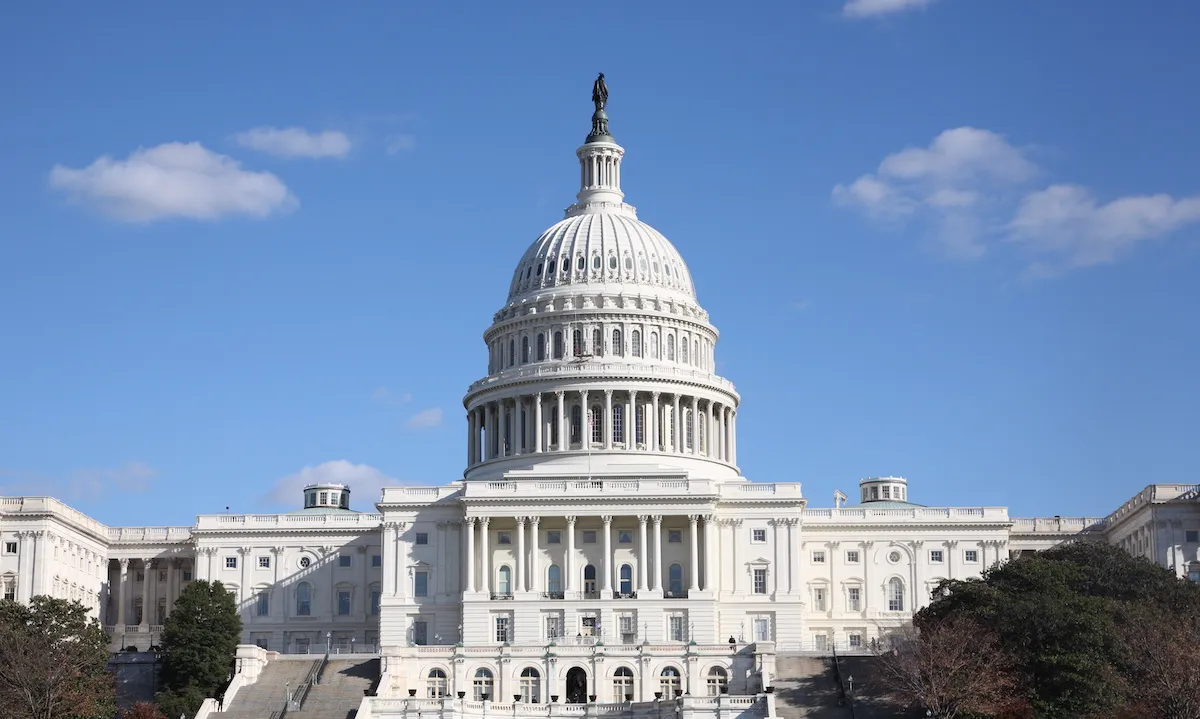
The U.S. Congress returns this week with expiring cybersecurity authorities and unfinished artificial intelligence (AI) safety bills competing for a shrinking legislative window, after last week’s midterm elections reshaped both chambers.
Complete the form to unlock this article and enjoy unlimited free access to all PYMNTS content — no additional logins required.
Democrats will take control of the House and Senate in January, leaving Republican majorities only a few weeks to shape legislation before losing control of the congressional agenda. Government funding and the annual defense policy bill will compete for attention with proposals addressing cyber threat sharing, federal technology and advanced AI oversight, Nextgov/FCW reported.
The most immediate deadline is Dec. 11, when the Cybersecurity Information Sharing Act of 2015 expires again. Known as CISA 2015, the law provides legal protections to companies that share qualifying cyber threat information with the government.
The protections lapsed during last year’s government shutdown but have continued through temporary renewals. Industry groups warn that uncertainty over those safeguards can discourage companies from sharing information about intrusions that could include sensitive personal data, potentially weakening the flow of intelligence used to identify and counter attacks.
Two other authorities also expire Dec. 11 under a recent stopgap extension. The Federal Cybersecurity Enhancement Act of 2015, which supports intrusion detection and prevention on federal networks, and the Technology Modernization Fund, which helps agencies replace aging systems and improve security, are both set to expire without congressional action.
The National Defense Authorization Act offers a potential vehicle for a longer renewal, per NextGov.
Source link