The Supreme Court judgment reinforces the need to follow the prescribed regulatory and contractual framework before invoking loss-absorption provisions. This could narrow the legal and procedural risk premium investors demand on AT-1 bonds, potentially improving appetite for fresh issuances and supporting secondary-market valuations.
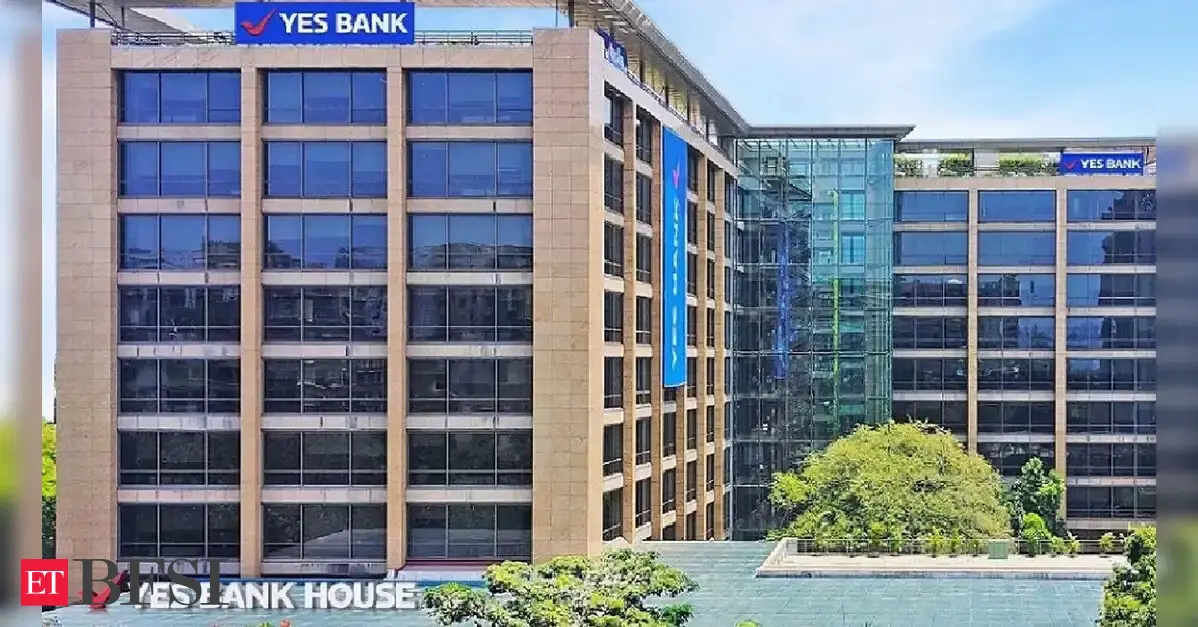
The Supreme Court’s decision to set aside Yes Bank ’s Rs 8,415 crore write-off of additional tier-1 (AT-1) bonds could improve investor confidence in these instruments by reducing uncertainty over the process through which their principal can be written down. The judgment reinforces the need to follow the prescribed regulatory and contractual framework before invoking loss-absorption provisions . This could narrow the legal and procedural risk premium investors demand on AT-1 bonds, potentially improving appetite for fresh issuances and supporting secondary-market valuations. However, the instruments will continue to carry the risk of a valid write-down at the point of non-viability (PONV), discretionary coupon payments and issuer-specific credit stress.
The ruling could change how investors assess the risk of principal loss. The Yes Bank episode had become a defining example of the possibility that AT-1 investors could lose their entire investment during a bank reconstruction. The Supreme Court clarified that the authority to trigger a write-down at PONV rests with the Reserve Bank of India (RBI), and cannot be exercised by a bank administrator in its place. This strengthens procedural safeguards for bondholders and could reduce the uncertainty premium attached to the possibility of an unauthorised write-down. The judgment does not, however, dilute the RBI’s authority to direct a write-down or conversion when the prescribed PONV conditions are met.
Source link