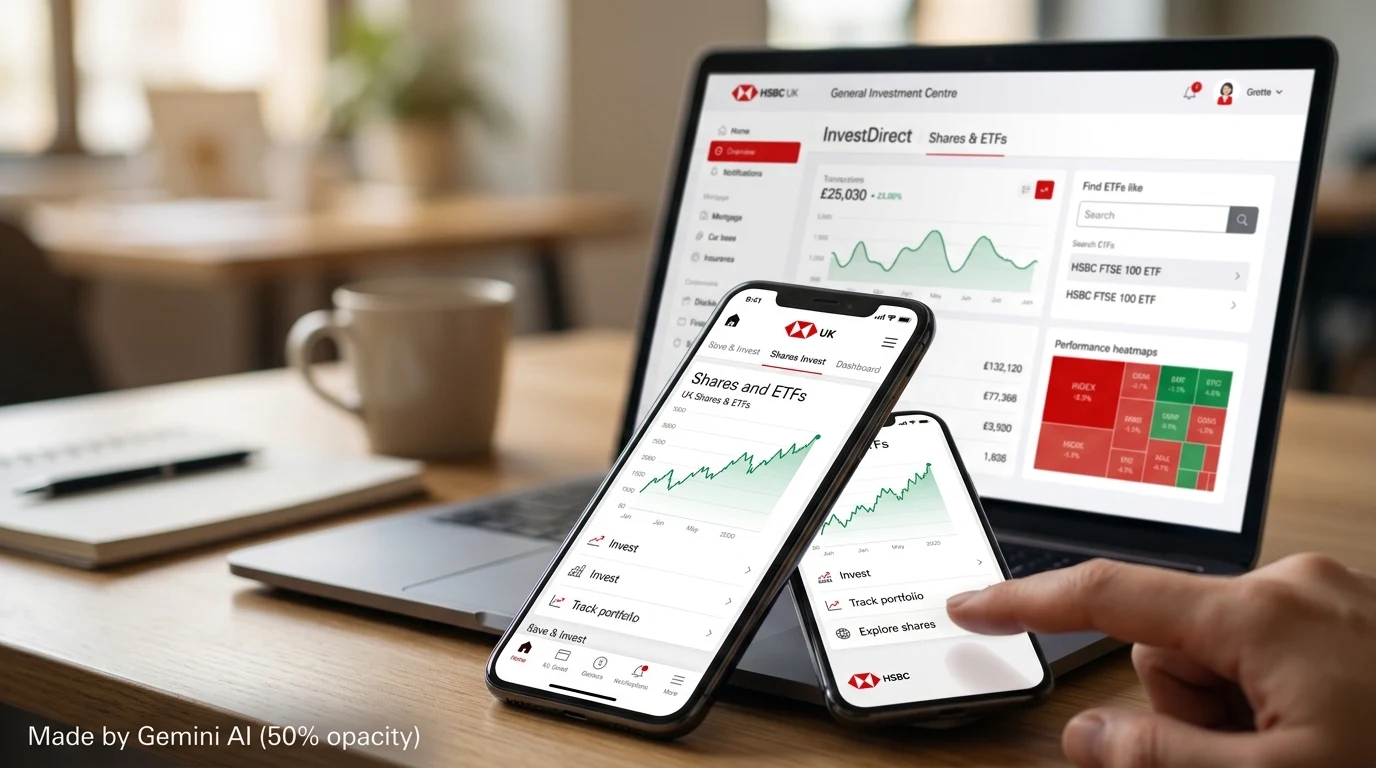
For many large institutional buy-side firms, the trading desk is where the strain is showing. The core investment platform often works well. According to LSEG Data & Analytics, the answer may be to build around that platform rather than replace it.
LSEG Data & Analytics notes that the investment management system (IMS) or order management system (OMS) typically remains the backbone of the investment process. It holds positions, enforces mandate compliance, generates orders, supports allocations and feeds accounting and operations. Years of configuration and controls have been built up around it. The weakness, LSEG argues, often lies in execution, where traders need better access to venues and brokers, more automation and a clearer audit trail of how orders were worked.
A specialist order and execution management system (OEMS), or a multi-asset execution layer, can sit alongside the existing investment platform without displacing it, depending on architecture and integration needs.
In this model, the investment platform creates the order, applies compliance and stays the authoritative source for positions and books and records. Once the order reaches the desk, the execution layer takes over. Traders get tools to work orders across venues, apply execution rules and manage partial fills. Portfolio managers keep working in a familiar environment.
The quality of the connection between the two layers has become more important. As major European markets move towards T+1 settlement, LSEG Data & Analytics points out that firms will have less time to fix breaks between execution, allocation and downstream processing.
The integration has to carry far more than the initial order and the final fill.
Source link