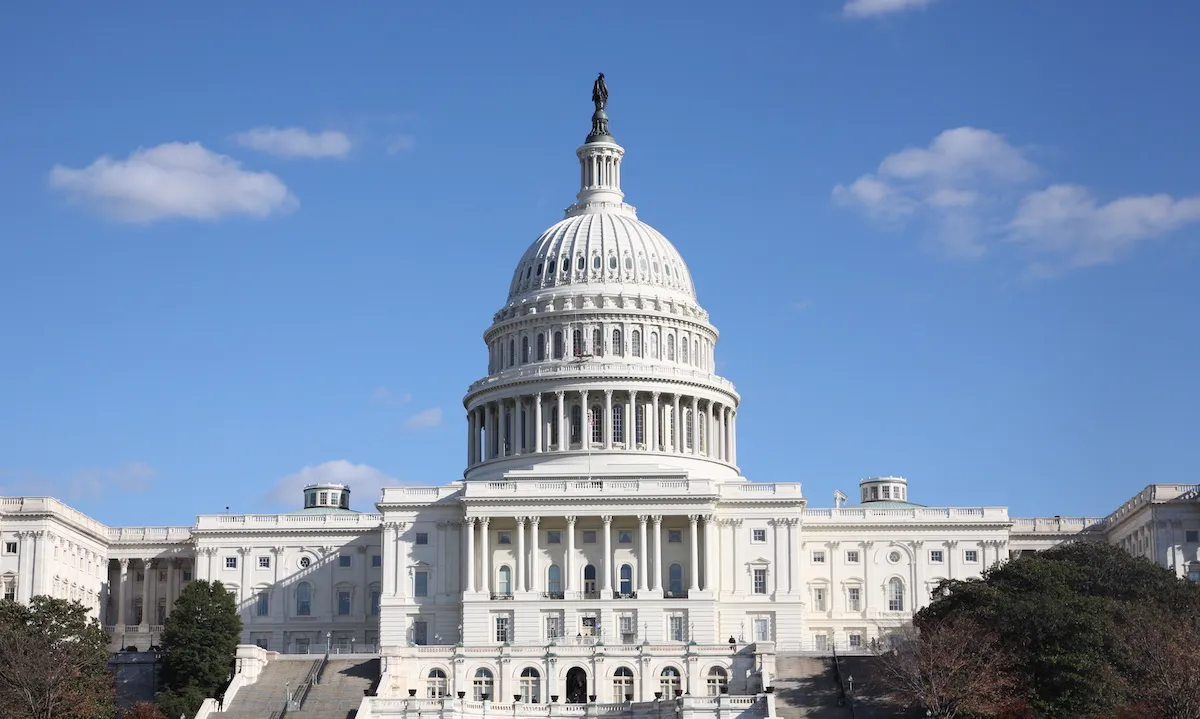
Pressure on Congress to address artificial intelligence is exposing a weakness in its ability to respond. Many lawmakers lack the technical knowledge and specialized staff needed to evaluate the technology, scrutinize industry claims and translate concerns into workable legislation.
Complete the form to unlock this article and enjoy unlimited free access to all PYMNTS content — no additional logins required.
The problem compounds Congress’ slow legislative pace as AI development advances. Access to experts, lawmakers say, is becoming a prerequisite for deciding which risks require intervention and how obligations should be designed.
“We need to dramatically increase the base knowledge of Congress if we’re going to legislate meaningfully,” Rep. Sam Liccardo (D-Calif.) told Politico.
The expertise gap has renewed interest in restoring the Office of Technology Assessment, an independent congressional advisory agency that helped lawmakers understand emerging technologies and their consequences before losing its funding in 1995.
Rep. Mark Takano (D-Calif.) plans to introduce bipartisan legislation in the coming weeks to restore such an office, an aide told Politico. The effort builds on legislation Takano and colleagues introduced in 2023 to revive and modernize the agency.
That earlier proposal, the Office of Technology Assessment Improvement and Enhancement Act, sought to strengthen the office’s existing statutory authorization and make its services more accessible to individual lawmakers. Announcing it, Takano cited Congress’ slow response to data privacy and cryptocurrency alongside the emergence of generative AI.
The 2023 bill would have renamed the agency the Congressional Office of Technology and expanded its ability to provide assistance during the legislative process.
Source link