

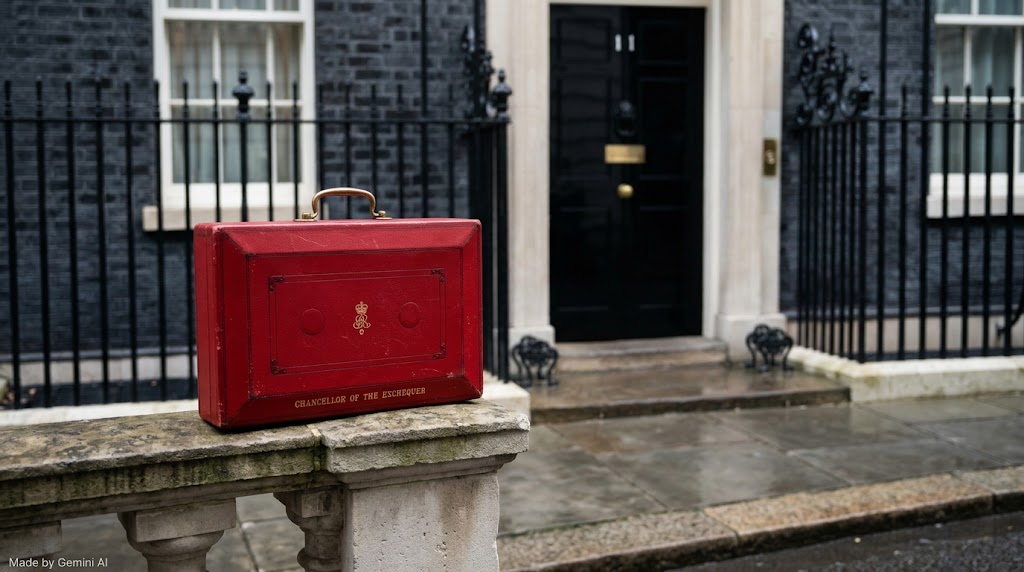
The fintech and finance specialists who sent reaction to The Fintech Times welcomed most of the founder package. The sharpest warning came from fintech’s own trade body: as drafted, the new relief may not reach fintechs at all.
The centrepiece for start-ups is a new Founders’ Relief. From 6 April 2027, qualifying founders of high-growth, innovative companies will pay capital gains tax at 10 per cent on up to £10 million of lifetime gains. Who qualifies is still being settled: the detailed design is out for technical consultation, and the measure will be legislated in Finance Bill 2026-27.
For a narrow group, it reverses a long retreat. Entrepreneurs’ Relief, renamed Business Asset Disposal Relief, had its lifetime limit cut from £10 million to £1 million in 2020, and its rate has since risen from 10 per cent to 18 per cent. The same Budget halves that limit again, to £500,000 from April 2027, so most people selling a business get less relief while a smaller set of high-growth founders get more. On share options, the Company Share Option Plan is relaunched as EMI2, and from 6 April 2027 employees will be able to hold tax-advantaged options worth up to £120,000, double the current £60,000, with the overlap with the Enterprise Management Incentive limit removed.
Arjun Kumar , co-founder of tax software firm Taxd , summed up the reception among founders: “This is a Budget with the right ambition for people who build things: founders’ relief back on the table, better share options, support for young entrepreneurs and a real plan to give cities their own money.
Source link