Complete the form to unlock this article and enjoy unlimited free access to all PYMNTS content — no additional logins required.
Agentic commerce has a payments problem hiding in plain sight. The financial system does not yet have a universal way to authenticate a machine’s authority to make a decision.
And time is running out. Artificial intelligence agents can already shop, negotiate and transact on behalf of humans.
“The volume is small,” Troy Mann, senior vice president, product management at FIS Global, told PYMNTS.
But volume is volume. Consumers who have stored payment credentials in wallets or online commerce environments are already entering an ecosystem being rebuilt for agentic transactions.
That means banks may eventually need to recognize not simply that a transaction came from an AI agent, but which agent it was and what it was entitled to do.
Payment systems were built largely around identifying accounts, credentials and transactions. Autonomous commerce adds the software making the decision, another object that needs to be identified.
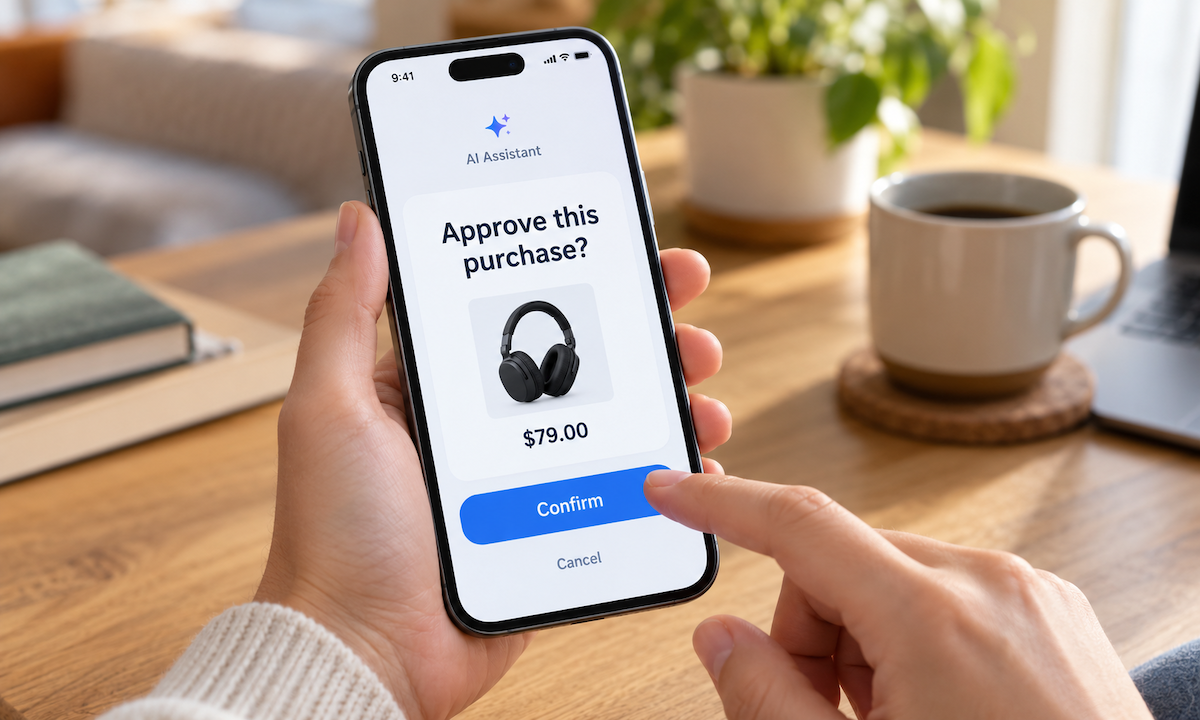
Today, most agentic commerce still begins with human intent, Mann said. A buyer specifies what they want, potentially including a price ceiling, shipping requirements or other constraints. An agent can search within those parameters, but ultimately the system needs evidence that the buyer authorized the resulting transaction.
Banks therefore need to evaluate more than whether a credential is legitimate. They need to know which agent is using it, what that agent was authorized to do and whether the transaction matches the original mandate.
Source link