Bidirectional charging is a promising technology that can enable EV owners to use their vehicles as mobile energy storage systems, powering homes during power outages, powering tools and equipment in remote locations and, theoretically, providing services to the electrical grid for compensation.
As I explained in my Charging Forward column in the most recent print issue of Charged, the technology for bidirectional charging and the applications it enables (collectively known as V2X) is proven and available today, and V2X is already in use in commercial applications (in the US, mostly school bus fleets). However, residential V2X is currently available only via a few proprietary and pricey offerings.
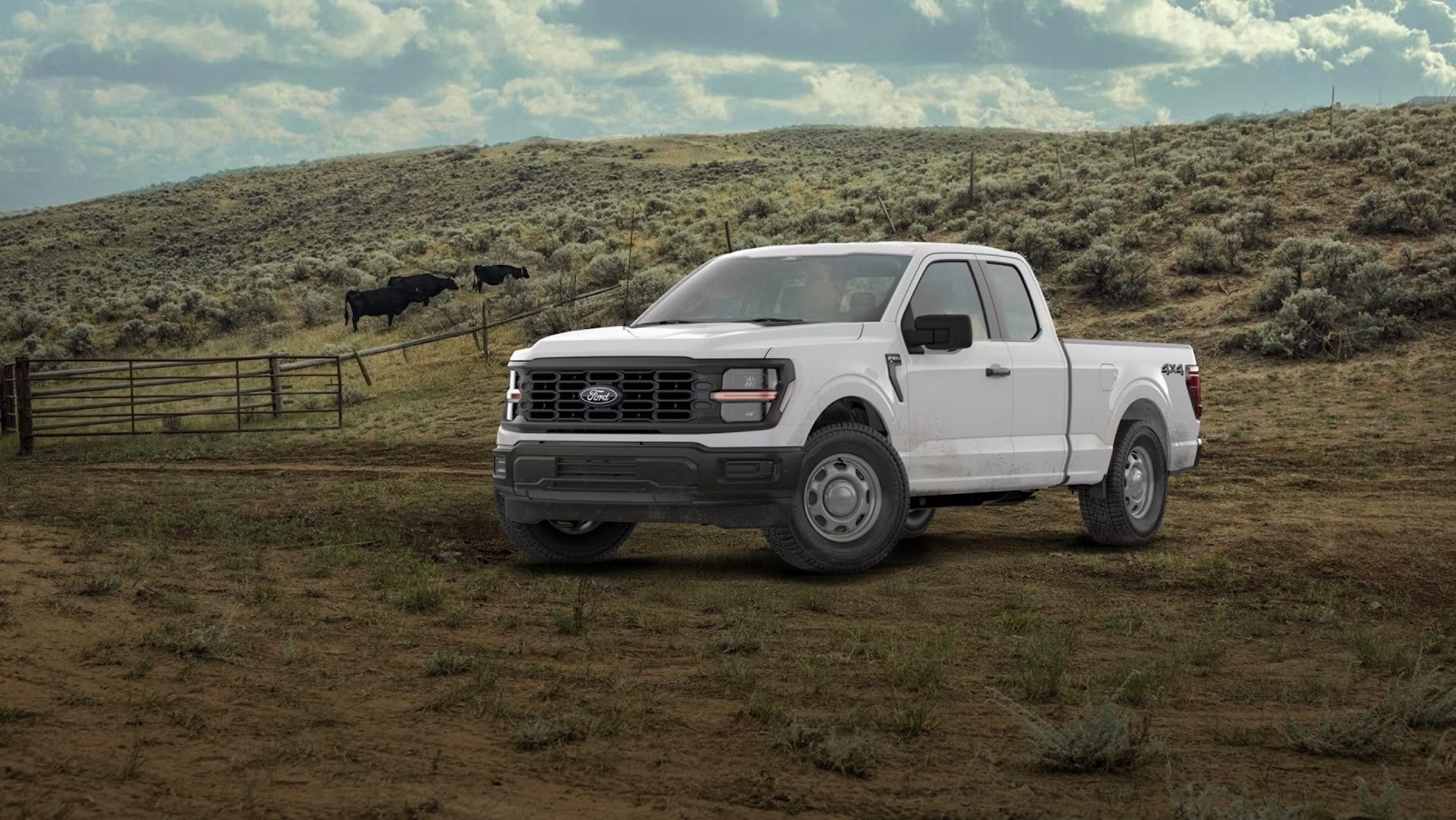
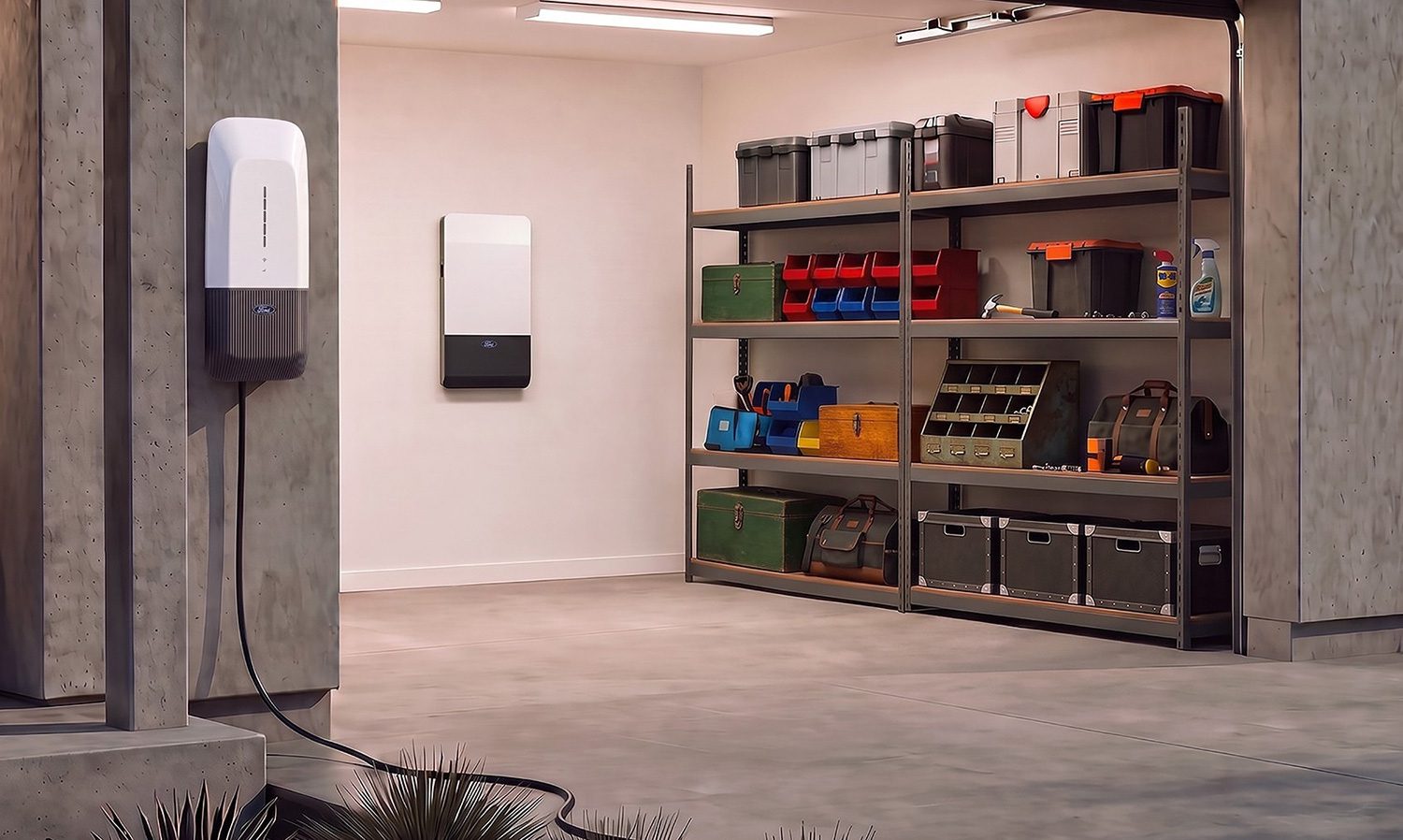
The new Ford Fathom electric truck, which is due to arrive in 2027, will offer bidirectional charging. Ford has designed a new generation of enabling hardware, which it says will be more efficient, and cost far less, than the bi hardware that was offered with the ill-fated F-150 Lightning. Ford says Fathom will be able to deliver 10 kW of AC power to a home, with no need for a separate wall-mounted inverter.
Ford acquired the startup Auto Motive Power in 2023, and “started from a clean sheet” on the Universal EV Platform’s bidirectional hardware and software. The new system features fewer parts, including a multi-function inverter that’s built into the vehicle’s E-box, one of Fathom’s five main modules.
Fathom’s system is designed to meet all applicable UL 1741 requirements. It uses the SAE J3068 communications standard (with LIN-CP), and complies with IEEE 1547 interconnection standards for connection to the grid.
Source link