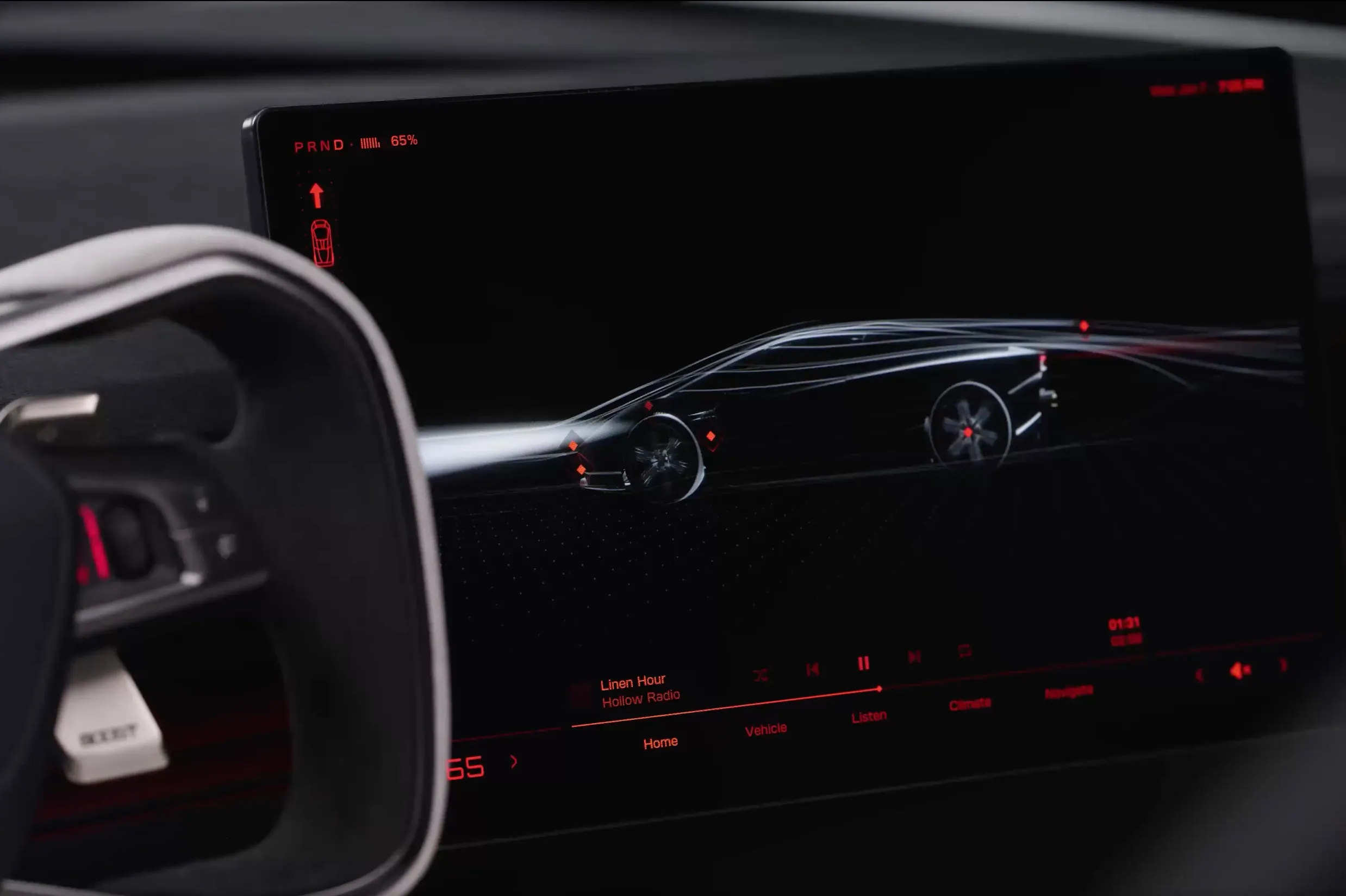
A quiet electric motor changes the sound inside a car, but it does not remove everything competing with the stereo. The cabin remains a listening space shaped by the journey as well as the audio system. For podcasts, the useful question is how clearly a conversation comes through, rather than how impressive the equipment looks on a specification sheet.
Spoken-word programs develop through questions, answers and explanations. Their meaning depends on the words being understood, including the connections between one point and the next. The vehicle’s background sound and the system’s reproduction of the recording both belong in that experience. Quietness describes one part of the surroundings; it does not describe everything between a recorded conversation and the listener.
As an example, the Kim Hughes podcast brings bomb-disposal expert Hughes into conversation with presenter Selema Masekela about his work and preparation. It offers an account of an unfamiliar profession through the person who practiced it. Following that account means following the exchanges that develop it, rather than simply registering that a voice is playing. Spoken-word listening brings this kind of conversation into a cabin that already has its own sounds. Enjoying this kind of podcast–where the subject matter might be complex–to the full means creating a setup that allows everything to be heard clearly, maximizing the amount of information you can get from listening.
In an August 2025 technical article on automotive audio measurements , Steve Temme reports tests in an unnamed EV parked in a quiet underground garage. He explains that reflections and microphone position affect measured sound.
Source link