US electric vehicle sales fell 30.7 percent through the first nine months of 2026. The drop followed the early end of several federal clean-vehicle tax credits on September 30, 2025. EVs now make up just 6 percent of US new-car sales, down from 8.5 percent a year earlier.
Across the Atlantic, the picture is reversed. European EV share hit a record 23.2 percent through September, and buyers there have more electric models to choose from than American shoppers do.
The end of those federal purchase incentives is a big part of the story, but not the only one. Buyers rushed to close deals before the up-to-$7,500 new clean-vehicle credit and the $4,000 used EV credit stopped applying to vehicles bought after September 30, 2025.
Policy pressure has shifted in other ways too. The Trump administration has moved to roll back parts of federal vehicle fuel-economy and greenhouse-gas rules for future model years. Analysts say that eases some of the regulatory push that had supported big EV investment plans. Softening EV demand has already shown up in General Motors' own sales figures this year.
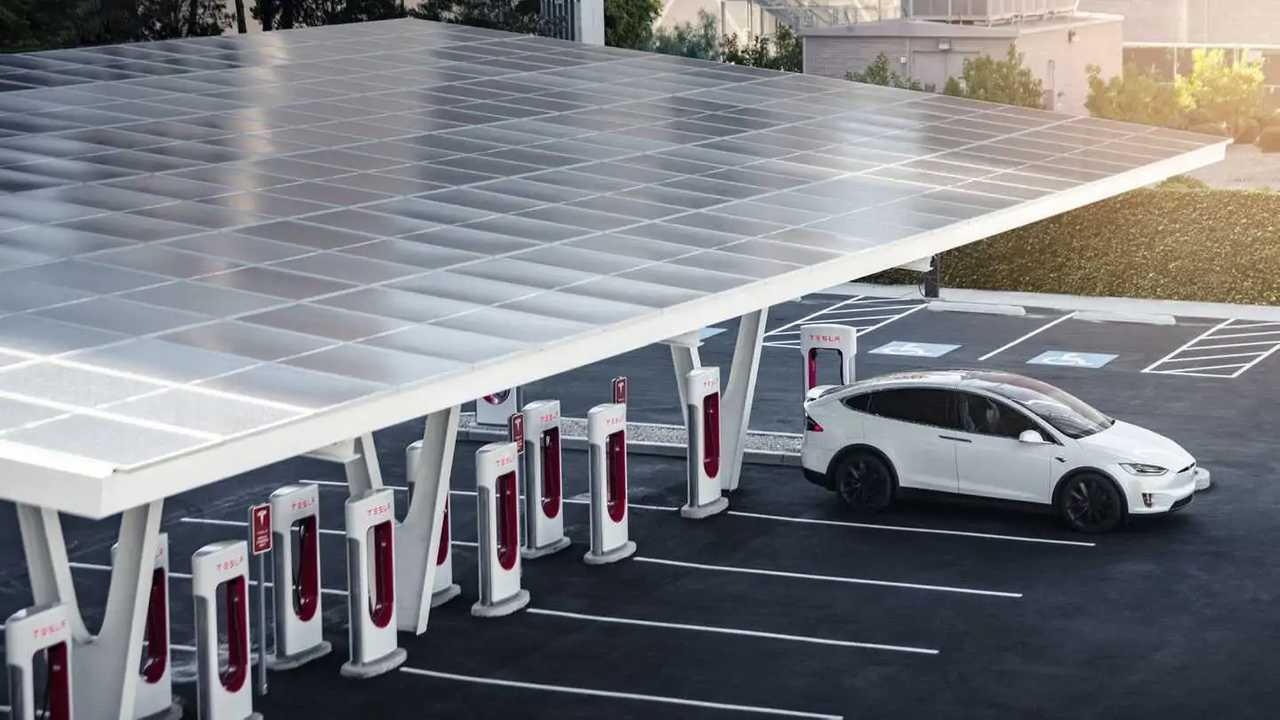
Tesla held up better than the segment overall as its US sales dropped 14 percent through the first three quarters, well below the market's 30.7 percent decline. That is a smaller decline, but it still means fewer Teslas sold than a year ago.
Hybrids are the clearest beneficiary. 6 percent of total sales. Buyers who still want better fuel economy are choosing a cheaper, charger-free compromise over a full EV.
Source link