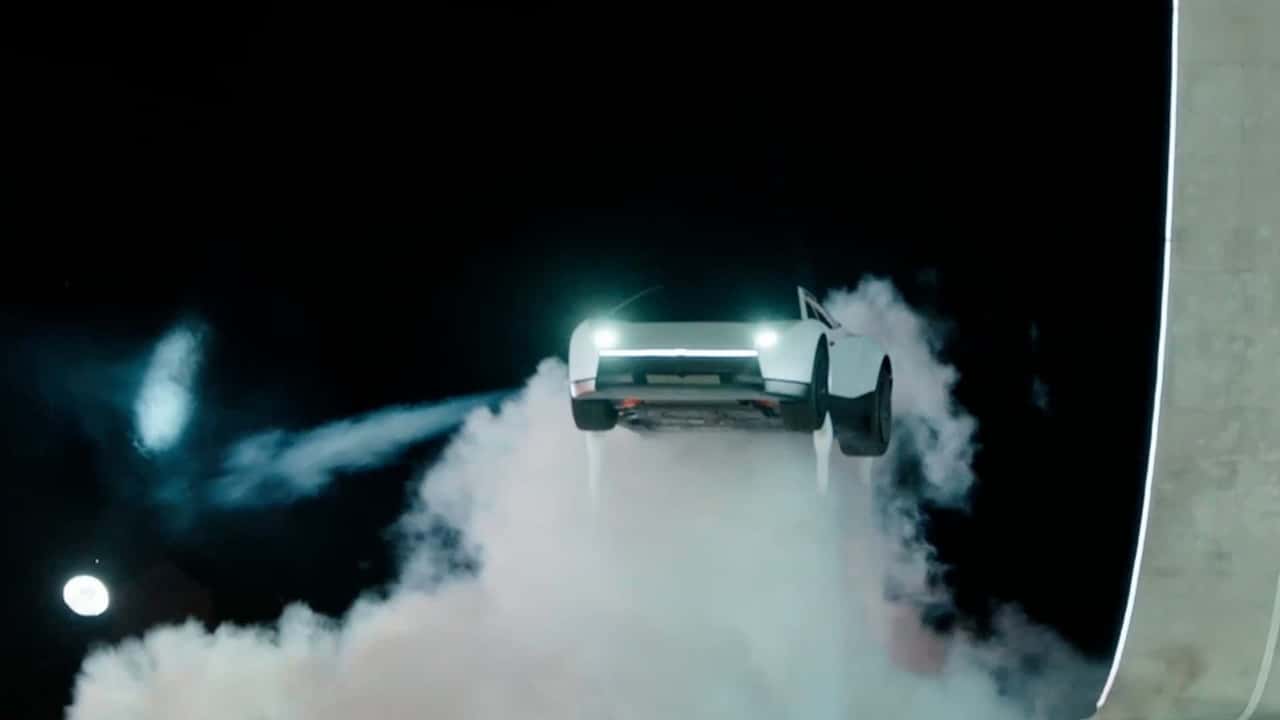
By now, you've probably seen the new Tesla Roadster's borderline absurd performance claims, outlandish stunts, and eye-watering price tag. There's plenty to talk about, but we're more interested in how much the electric supercar's design has changed since its 2017 debut.
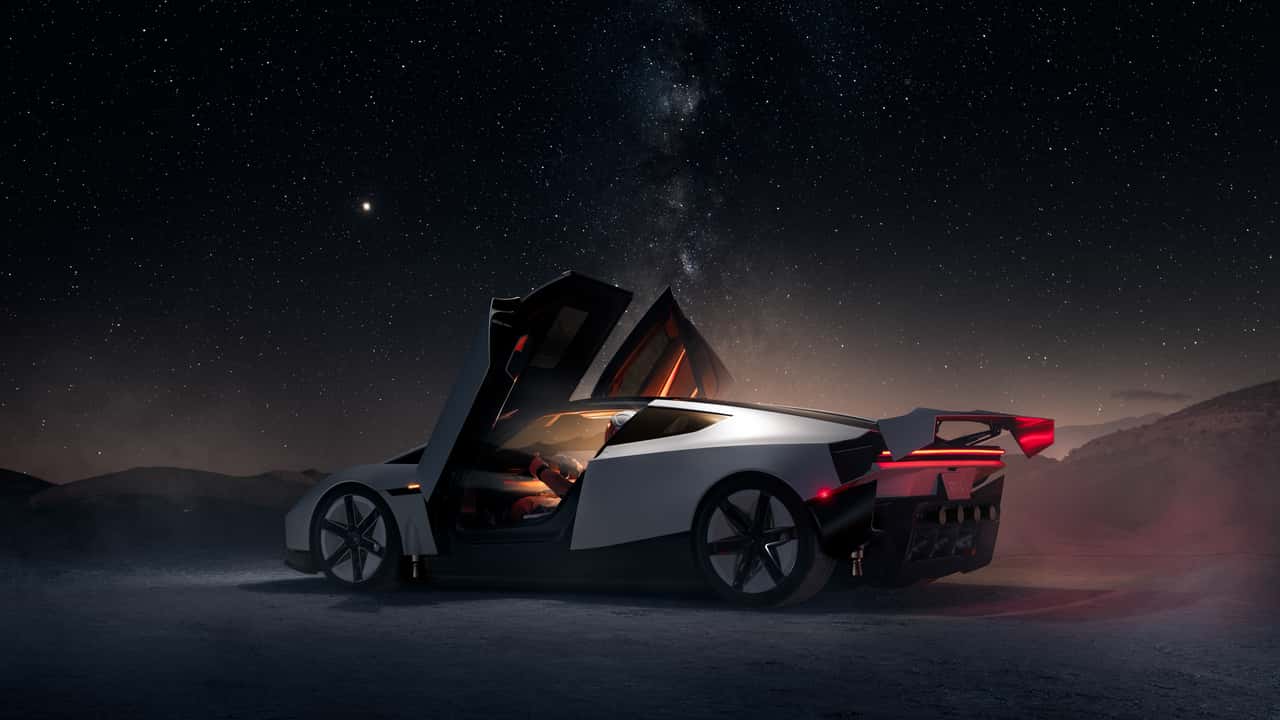
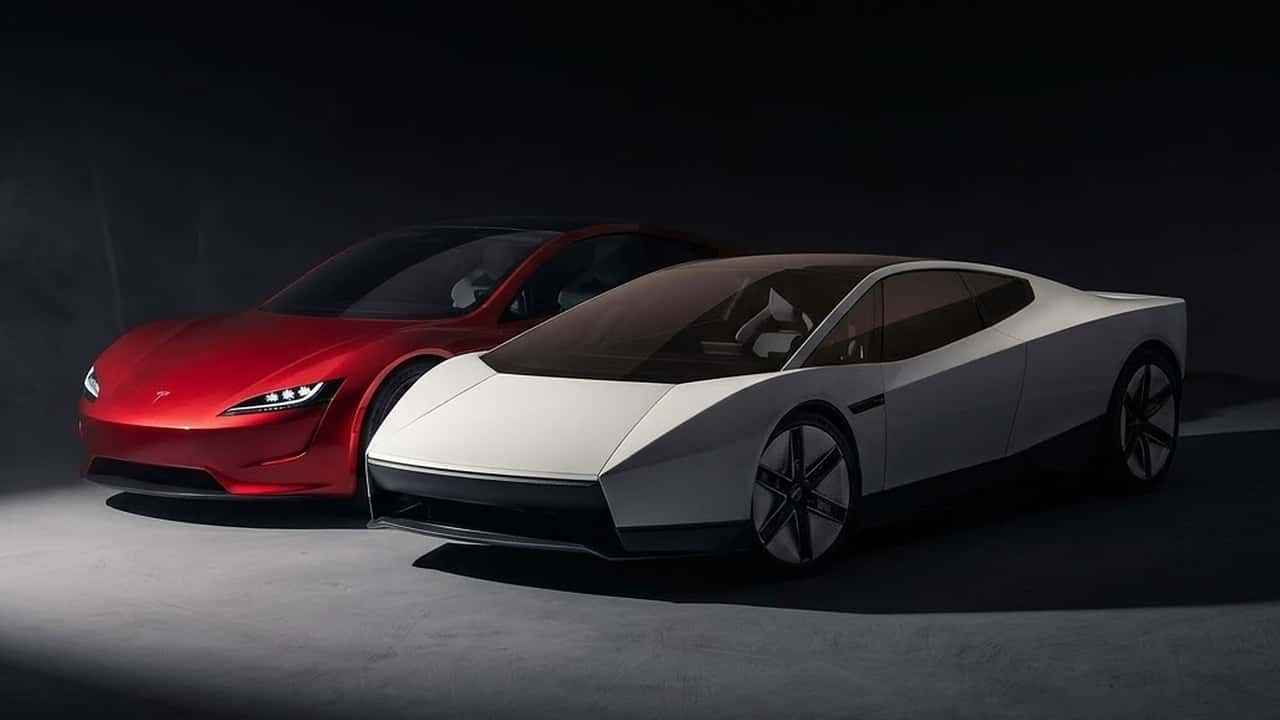
Nine years have passed, so some tweaks were inevitable. We didn't necessarily expect a complete redesign that trades the original concept's sleek curves for an angular, Cybertruck-esque look. From nearly every angle, it's radically different, marking a major departure from the car meant to preview the long-delayed production model.
When Tesla introduced the second-generation Roadster in November 2017, the concept looked like a proper supercar, with flowing curves, a low-slung profile, and a clean design that still holds up remarkably well today. It was a futuristic take on the traditional sports car without going overboard with sharp edges or unnecessary visual drama.
Fast-forward to October 2026, and the production-bound prototype looks like it came from an entirely different design studio. The new Roadster adopts a much more aggressive, wedge-shaped silhouette, with sharp angles and a distinctly aerospace-inspired appearance. The front and rear lighting has also evolved into a slimmer setup, while more elaborate aerodynamic elements give the car a considerably more technical look.
Of course, nine years is a long time in the automotive industry. Design trends change, engineering requirements evolve, and automakers regularly revise concepts before they reach production. Expecting Tesla to carry over every detail from 2017 would have been unrealistic. However, refining an old design is different from effectively starting over.
Source link