ROHM Semiconductor’s SiC MOSFETs are being used in the electric powertrain of BMW’s Neue Klasse, the Gen 6 platform for the automaker’s electric vehicles. ROHM did not name the device family or the voltage class, and didn’t say which Tier 1 supplier builds the power electronics around the chips.
The company describes the parts as supporting key power electronics functions in the vehicle, and says they are designed for energy efficiency and reliable operation under demanding automotive conditions. Their contribution shows up in driving range, charging performance and overall vehicle efficiency, according to ROHM, which gave no figures for any of the three.
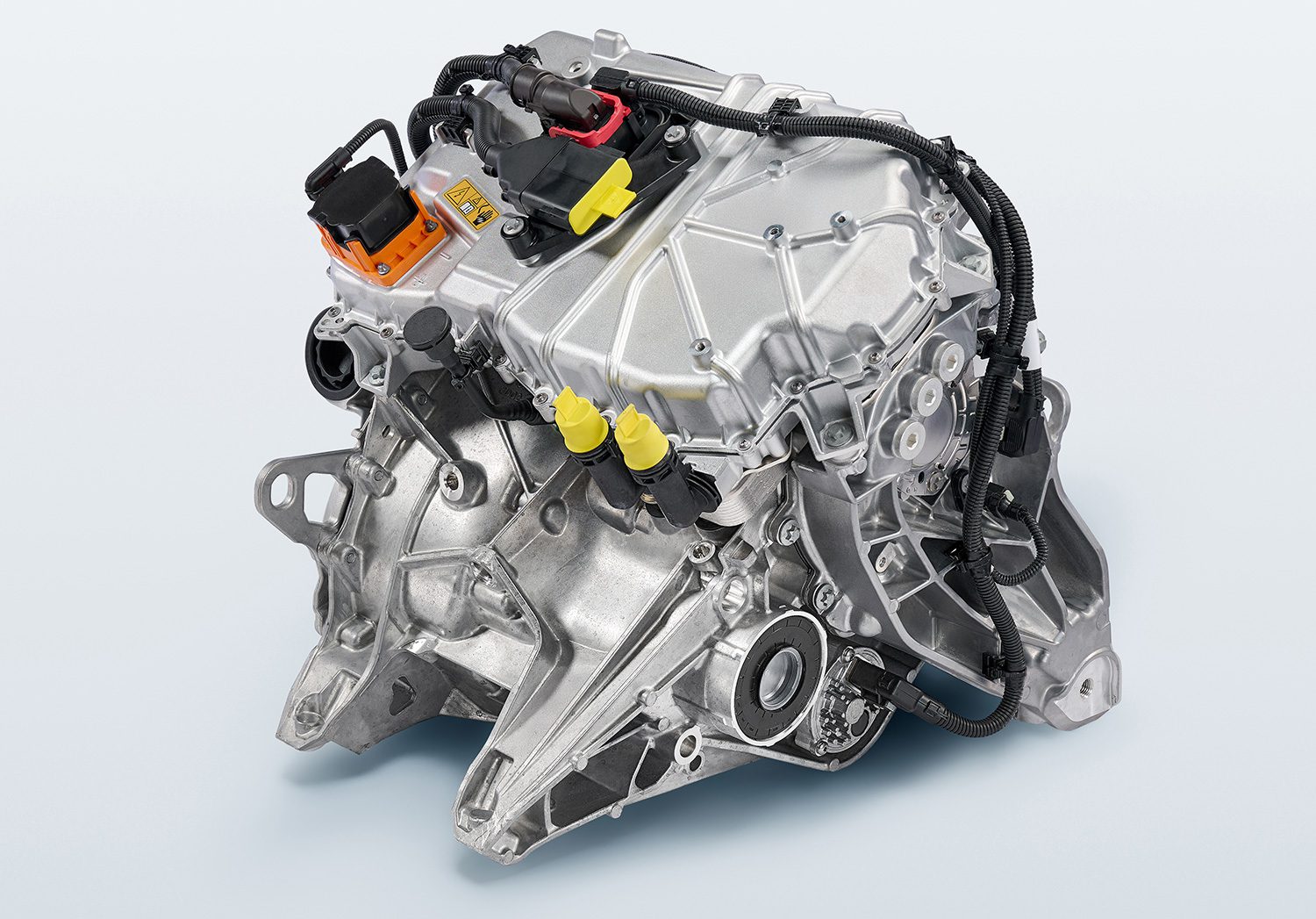
The Gen 6 inverter is built into the electric motor’s housing and runs on an 800 V architecture, and BMW lists silicon carbide semiconductors among the efficiency measures inside it. Compared to the Gen 5 powertrain, the automaker estimates the reduction in energy losses at 40%, in cost at 20% and in weight at 10%, and the gain in overall vehicle efficiency at around 20%. It expects the generation to charge 30% faster and travel 30% farther than the one it replaces.
SiC’s conduction and switching losses stay lower than a silicon IGBT’s at an 800 V bus voltage, and losses the inverter avoids show up as range at a given battery capacity, or as headroom for faster DC charging.
ROHM signed a long-term SiC contract with Vitesco Technologies worth more than $1 billion and running to 2030, and a long-term supply agreement with Chinese automotive electronics maker United Automotive Electronic Systems (UAES) covering onboard chargers and inverters.
Source link