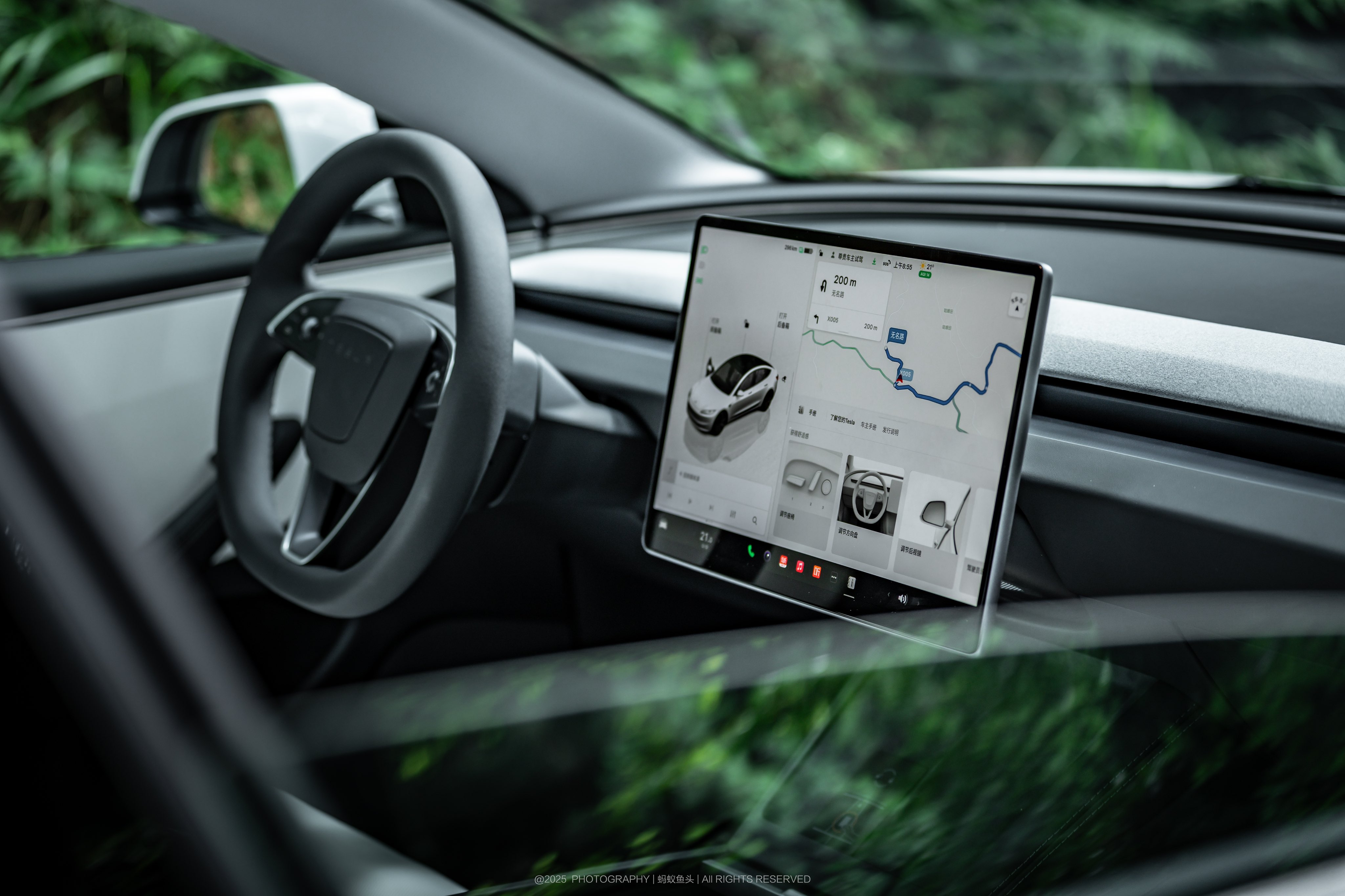
Modern software-defined EVs offer a lot of advantages. They are simpler to build, faster to design, and easier to update with helpful software features. They enable things like Sentry Mode in Teslas and Pet Mode in Rivians. They get meaningful over-the-air updates and offer cutting-edge driver assistance features. These benefits, popularized in common consciousness by all-electric brands in the U.S. and China, are increasingly coming to a new audience: gas vehicle buyers.
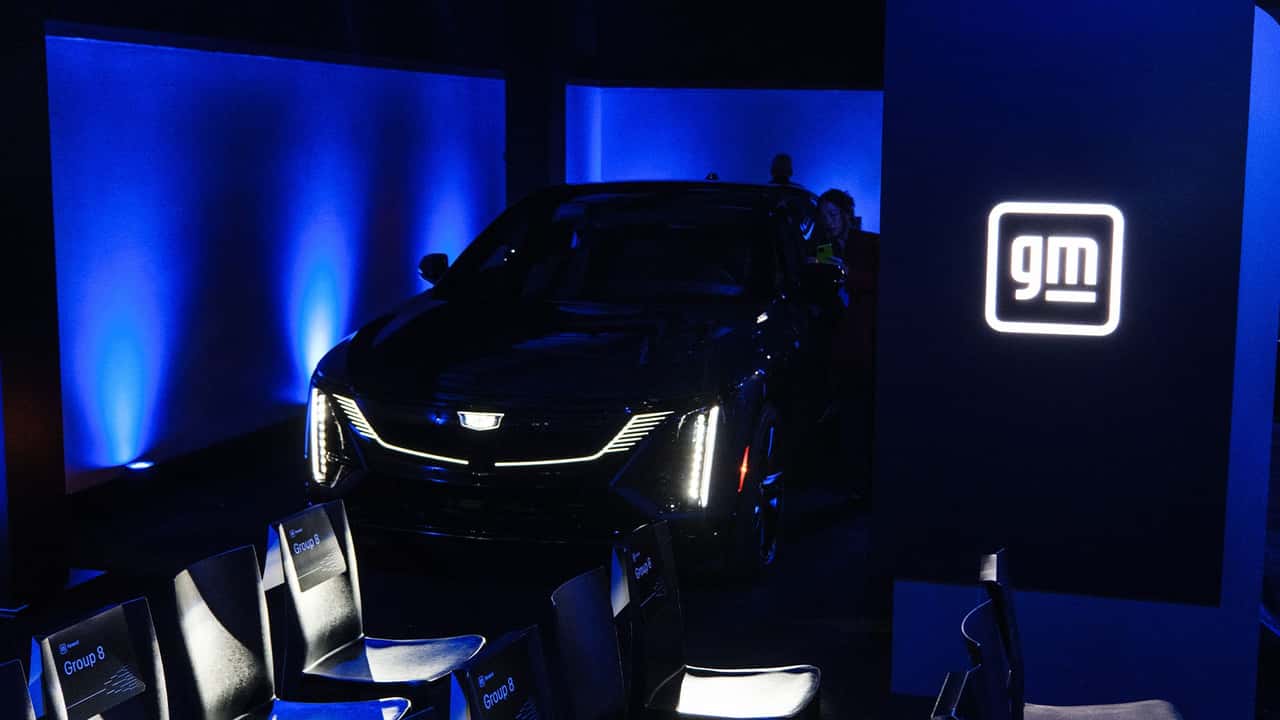
General Motors marks the latest example. It announced on Wednesday that its next-generation electrical and compute architecture is moving to the most important functions to a single, centralized “Central Compute Unit.” It manages autonomous driving, in-car AI functions, and powertrain management. The key thing is that this new platform will support both gas and electric powertrains.
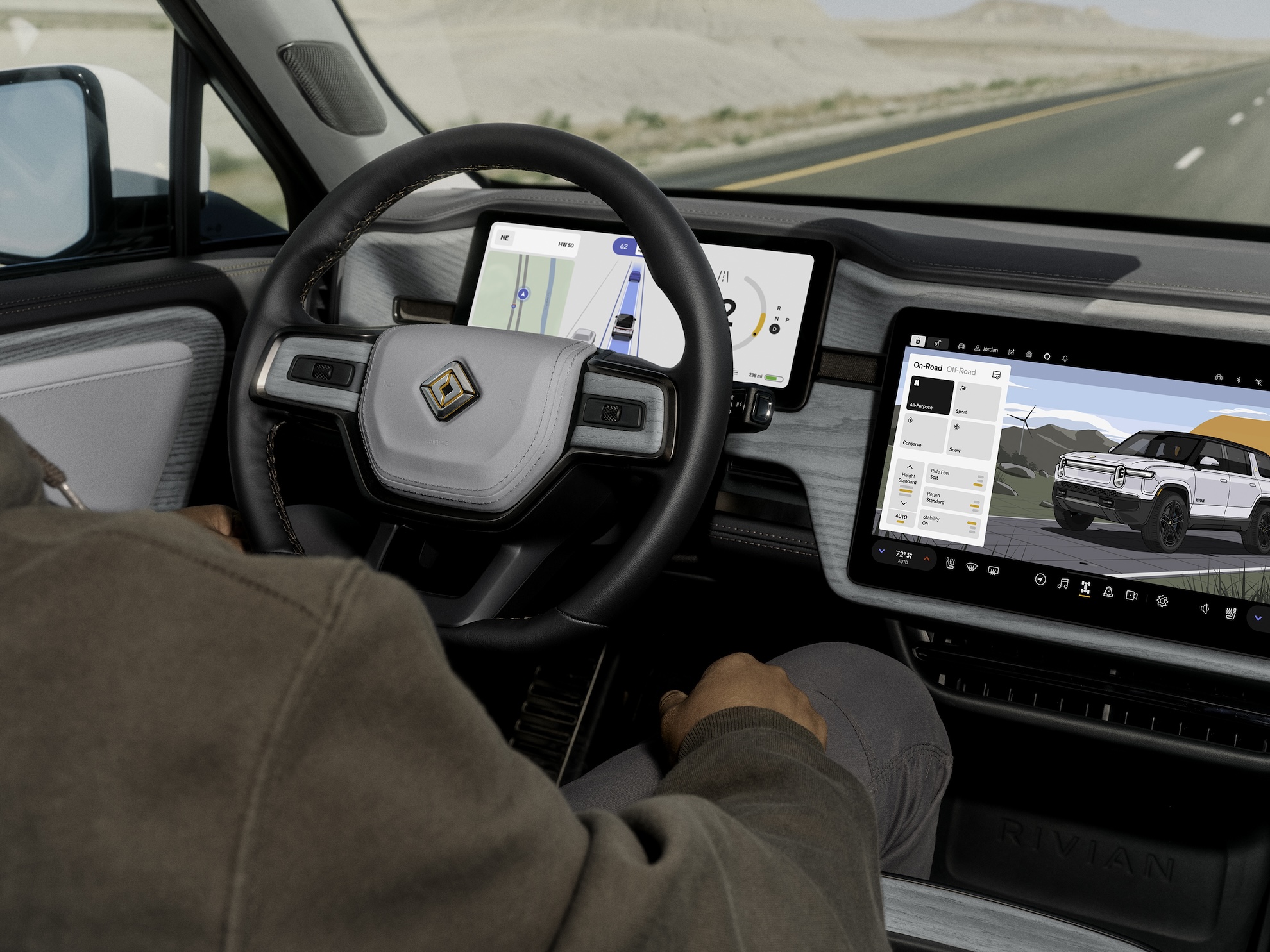
Rivian's Pet Mode lets you leave the climate system running with your pet inside while you run errands. It's an example of a software feature that integrates a few important systems in the car.
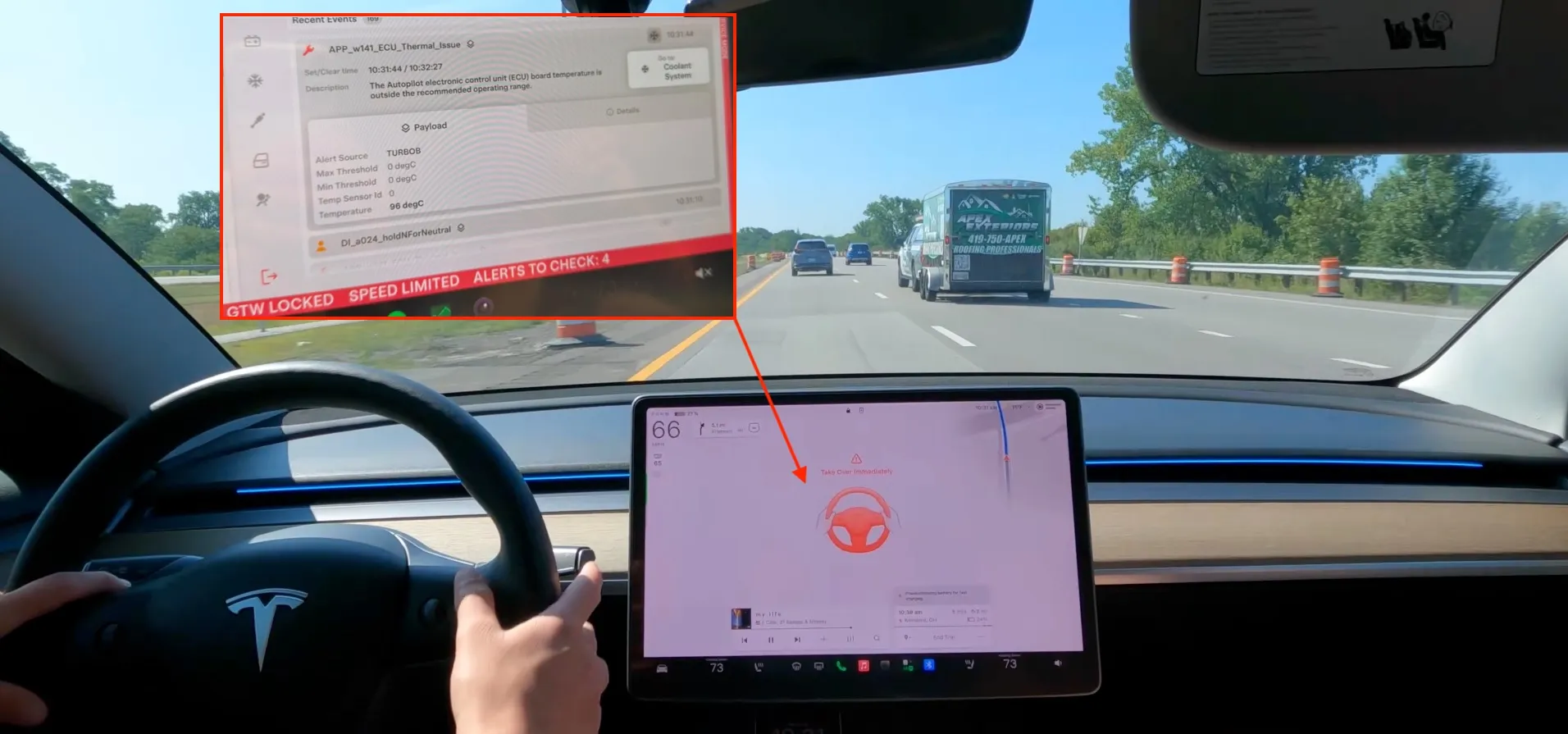
The idea of a centralized computer architecture may sound jargony, but here is a simple version. Traditional vehicles are built with dozens of separate Electronic Control Units (ECUs), which are computers. They each perform specific tasks—operating the antilock braking system, or controlling your seat motor—and they do not talk to one another in modern digital languages. They are not even built by the same company, usually, and so most communication must happen on antiquated, low-throughput wiring looms that crisscross almost every gasoline car and many legacy EVs. This is part of why most software functions on traditional cars are slow and clunky.
Source link