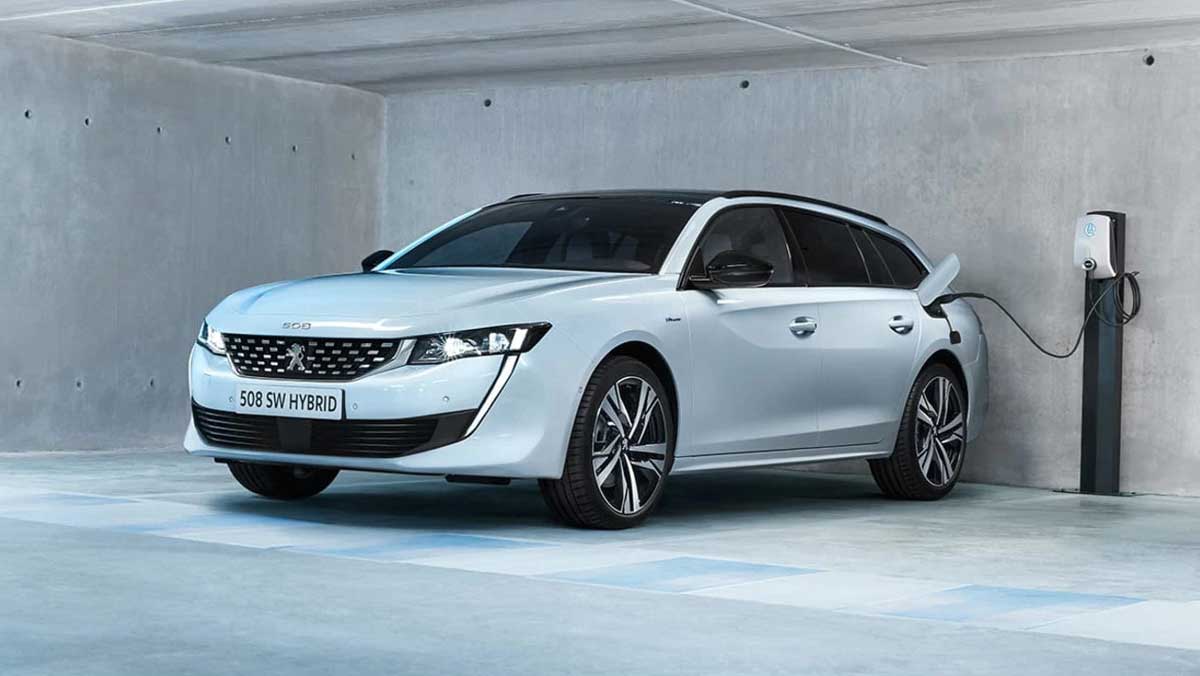
The real-world emissions from plug-in hybrid electric vehicles (PHEVs) is only 14 per cent less than those of conventional internal combustion engine cars, a fact which is also costing drivers hundreds of dollars each year in added fuel costs.
A new analysis from Europe-based organisation Transport & Environment (T&E), published in the midst of increasing uncertainty over the future of clean transport targets across the European Union, shows that the gap between official WLTP-based emissions figures for PHEVs and their real-world emissions is widening.
According to T&E, PHEV models registered in 2024 emitted around six times their official CO2 figures on the road, increasing from a five-fold difference in 2023.
The analysis is based on European Environment Agency data from on-board fuel consumption monitoring (OBFCM) devices installed on all new light vehicles registered from 2021 onwards. OBFCM devices transmit fuel and energy use data to the European Commission, part of an effort to measure real-world CO2 emissions and close the gap between laboratory assumptions and actual on-road driving.
T&E’s latest analysis shows that PHEV real-world emissions are just 14 per cent lower than conventional combustion and hybrid cars – despite official figures claiming an 83 per cent reduction.
This discrepancy is largely due to assumptions over how often a PHEV is driven using only its battery as a power source – the so-called “utility factor” that is central to a WLTP emission’s rating for PHEVs.
The European Union has begun attempting to correct these utility factors – a step which has already begun paying dividends.
Source link