CONNECT WITH US
EV & Mobility

EV & Mobility

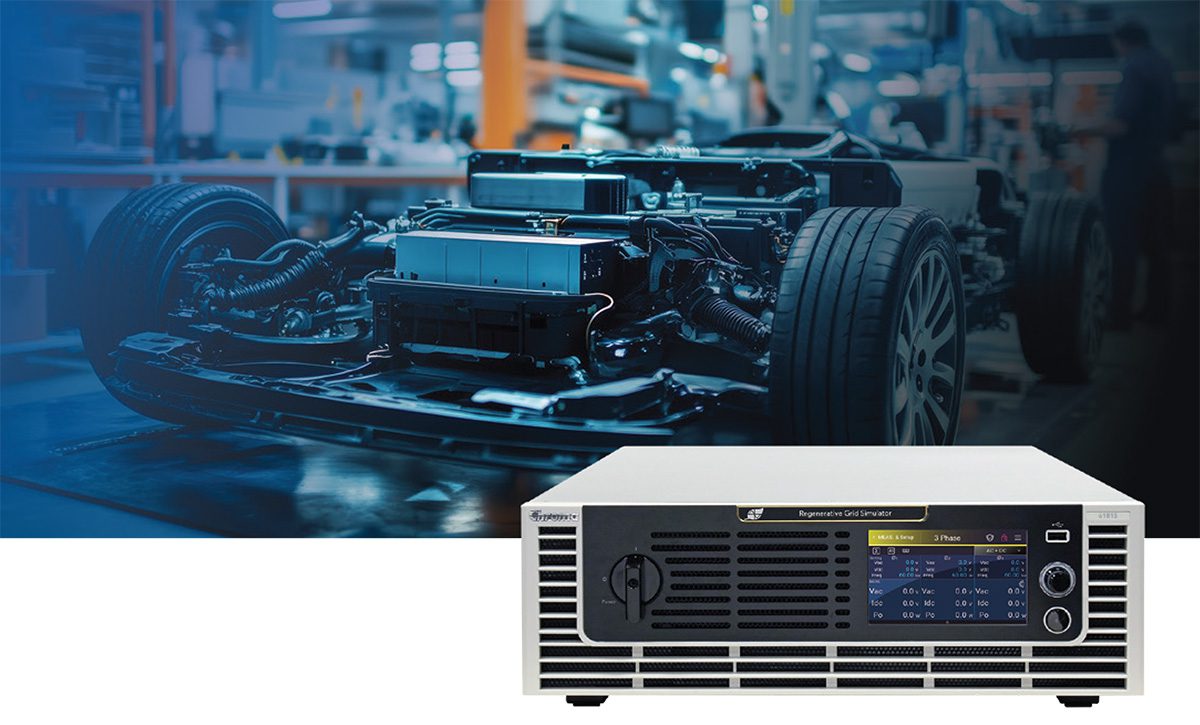
Overcoming the challenges of bidirectional onboard charger V2L testing with programmable AC load simulation

Charged EVs logo

Published on

Add as a preferred source on Google
Overcoming the challenges of bidirectional onboard charger V2L testing with programmable AC load simulation

The bidirectional onboard charger (BOBC) sits at the heart of an electric vehicle’s energy architecture. BOBCs not only charge the EV battery but also enable bidirectional energy flow between the battery and the utility grid or other connected loads. Through power conversion modes like Vehicle-to-Grid (V2G) and Vehicle-to-Load (V2L), an EV gains dual value as both a means of transportation and a mobile energy storage system.

In particular, V2L technology enables powering household appliances, tools, or outdoor equipment directly from the vehicle, greatly expanding its everyday use cases. When combined with renewable energy systems, V2L substantially improves energy flexibility and serves as a key enabler for the low-carbon transition.

This whitepaper outlines V2L testing challenges and offers an efficient and comprehensive solutions based on the optional AC load capability.


Source link

Disclaimer

We strive to uphold the highest ethical standards in all of our reporting and coverage. We TheMorningPulse.fyi want to be transparent with our readers about any potential conflicts of interest that may arise in our work. It's possible that some of the investors we feature may have connections to other businesses, including competitors or companies we write about. However, we want to assure our readers that this will not have any impact on the integrity or impartiality of our reporting. We are committed to delivering accurate, unbiased news and information to our audience, and we will continue to uphold our ethics and principles in all of our work. Thank you for your trust and support.