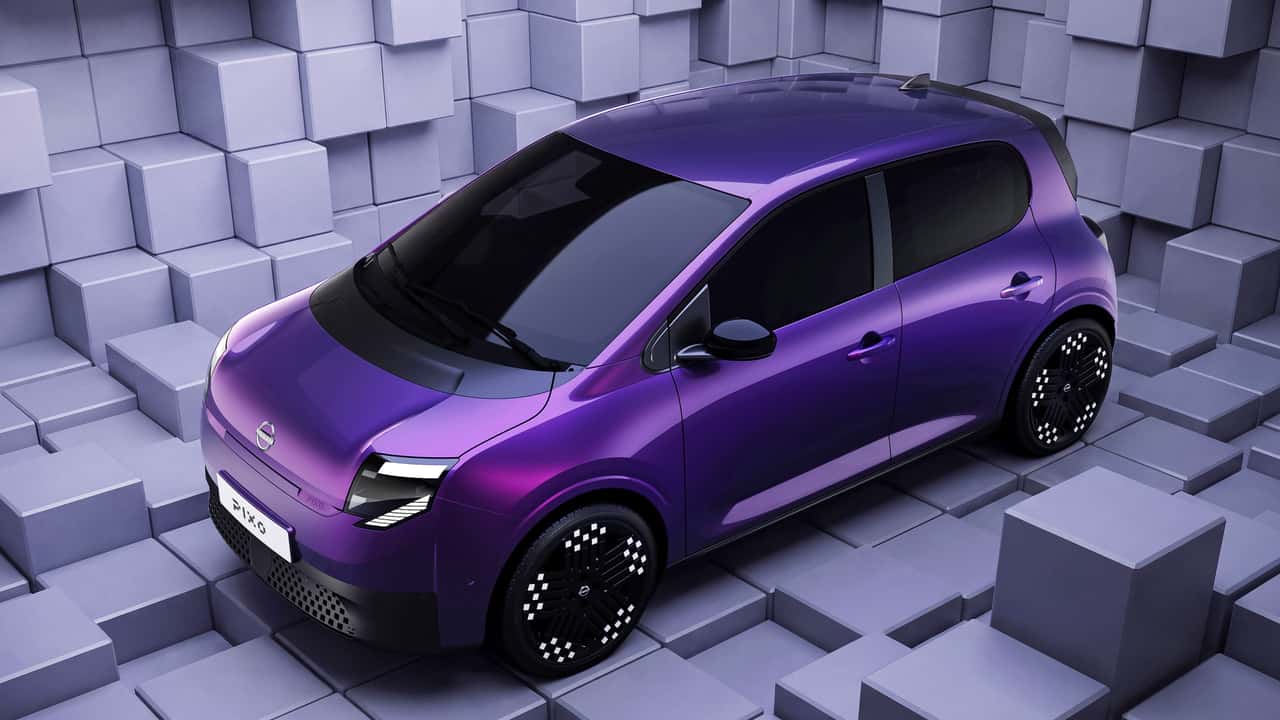
Squint at the new Nissan Pixo, and you might see a Renault Twingo. That’s because it is one, with a different front fascia and minor changes.
The biggest tweaks are at the front, where the Pixo looks nothing like the Twingo, adopting a chunkier, more angular nose that doesn’t really look like any other Nissan. Shift your perspective to the side of the Pixo, though, and it’s immediately apparent that its greenhouse is identical to the Renault's, as is the rear end, which is unchanged except for redesigned taillights with a more angular light signature.
That contrasts with the new Dacia Spring. That car also shares the same architecture and basic engineering, but Dacia went considerably further to give it a separate identity, with completely reworked bodywork. It has a much more rugged appearance than the Twingo, and you wouldn’t really know the two are related just by looks alone.
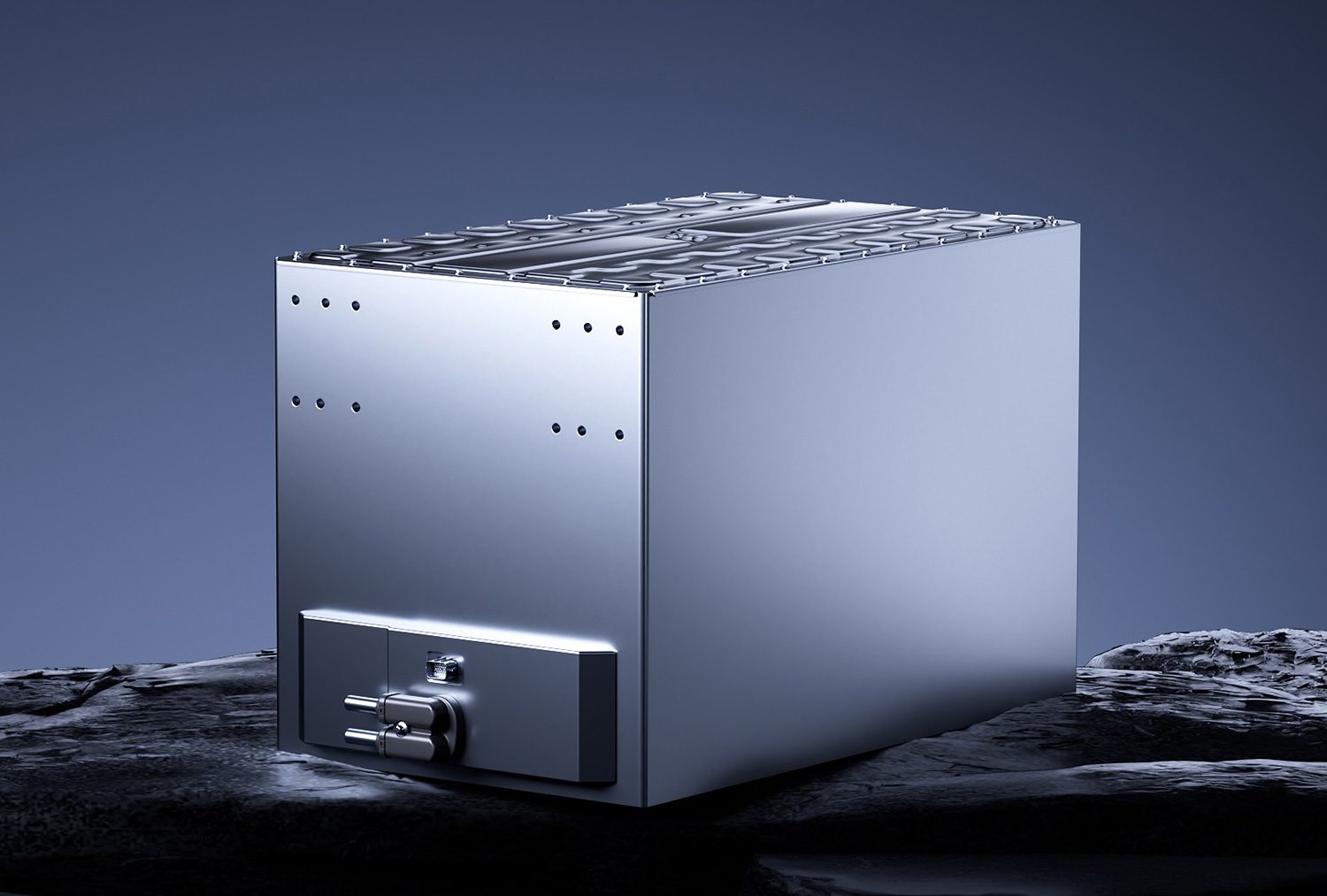
Underneath, all three follow the same formula and ride on a simplified version of the platform that underpins the larger Renault 5 EV (and its Nissan Micra spinoff). They have the same 27.5-kilowatt-hour lithium-iron-phosphate (LFP) battery and front-mounted motor producing 80 horsepower and 129 pound-feet (175 Nm) of torque.
Their maximum WLTP range ratings differ slightly: 161 miles (259 km) for the Pixo, 163 miles (263 km) for the Twingo and 155 miles (250 km) for the Spring.
Even with the exact same motor, their quoted acceleration figures differ. 1 seconds for the other two relatives. All three top out at 81 mph (130 km/h), which is the highway speed limit in most European countries.
Source link