
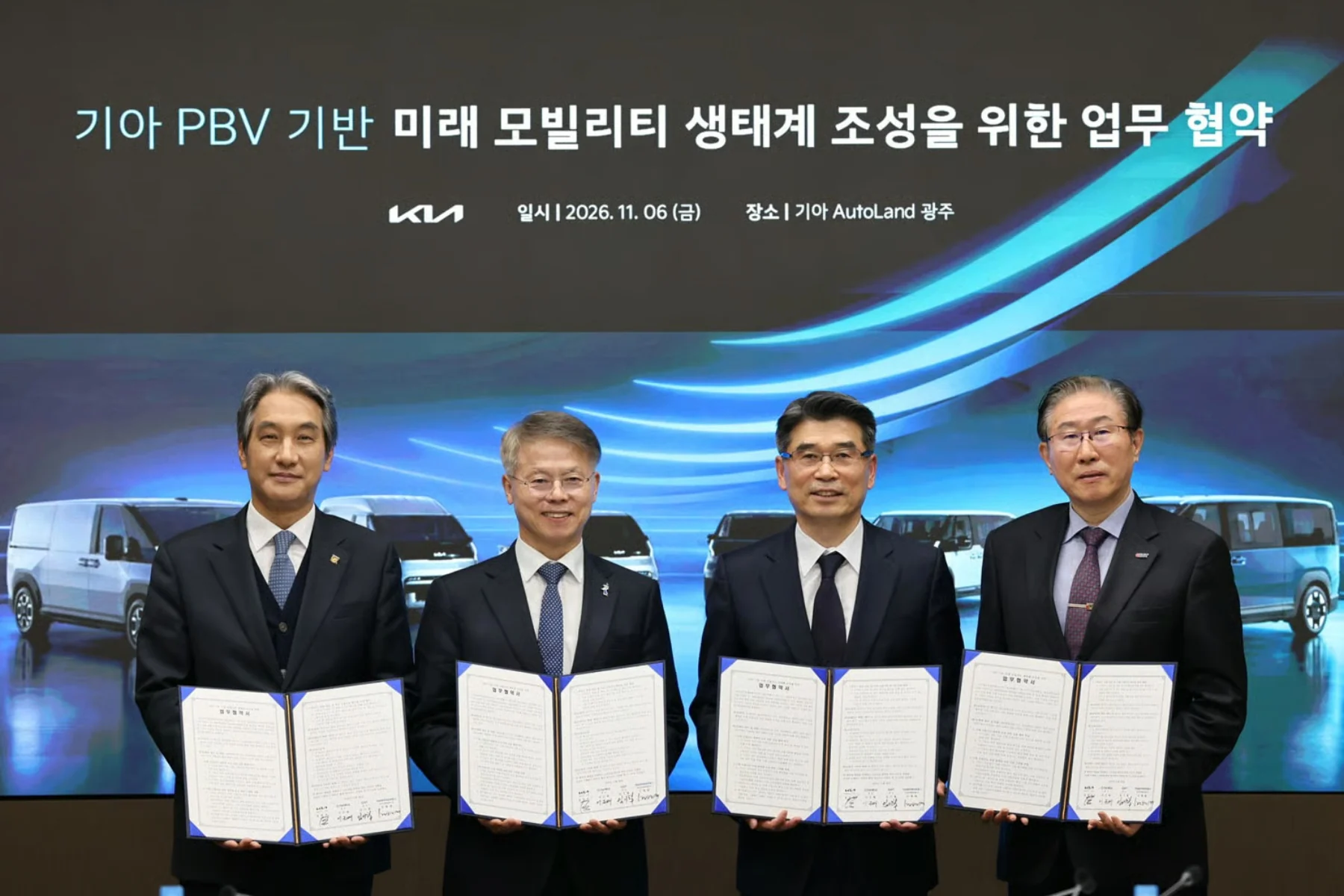
Kia plans to gradually transform the Autoland Gwangju plant into a modern hub for electric and autonomous vehicles by 2029, investing billions. The goal is to establish an industrial ecosystem for the development of modular electric vehicles, which Kia calls PBV - standing for "platform beyond vehicle" and simultaneously the anacronym for Purpose Built Vehicles (PBVs), in collaboration with the region and local universities.
Kia and its parent company Hyundai have decided to invest a total of three trillion won (approx. two billion euros) in the Autoland Gwangju plant in South Korea by 2029. This decision is part of an investment plan totalling 125.2 trillion won (approx. 83.5 billion euros) for the South Korean location by 2030.
Kia’s executive leadership, representatives of the Jeonnam-Gwangju region, and the heads of Chonnam National University and the Gwangju Institute of Science and Technology signed a joint agreement. This collaboration will see the Gwangju plant modernised and expanded by 2029.
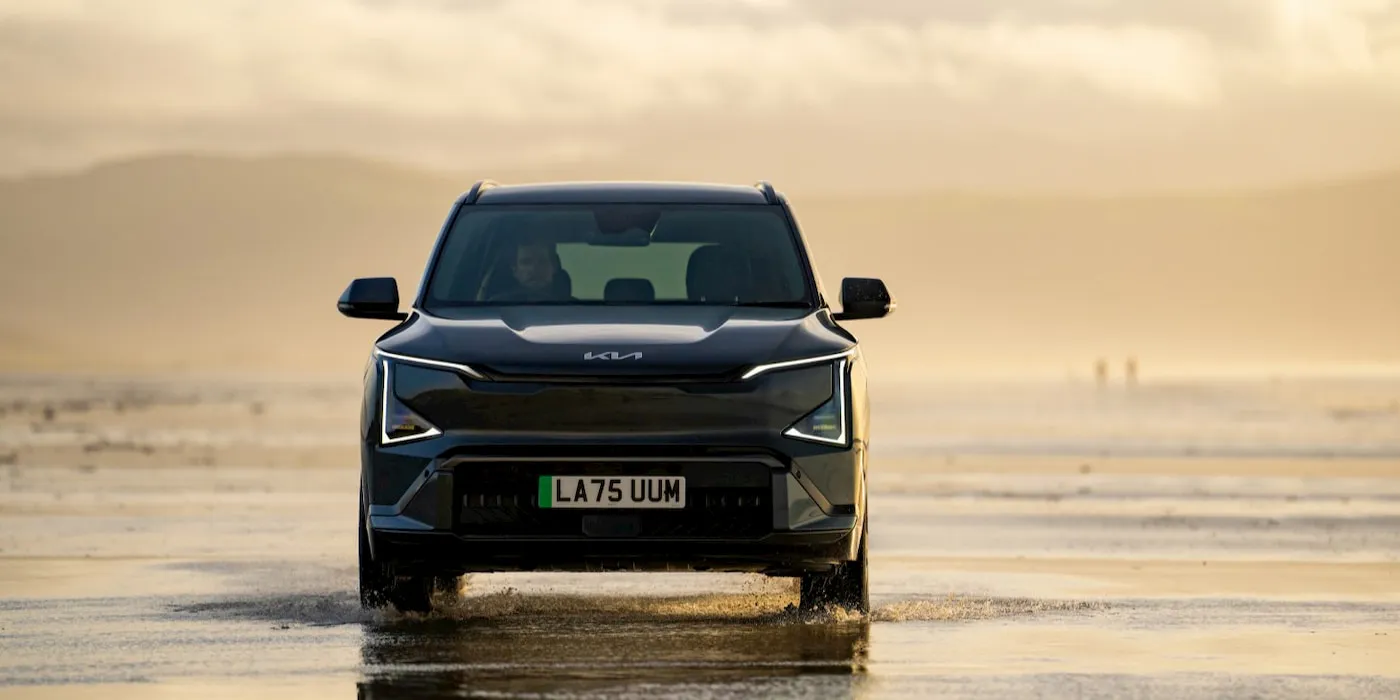
Although the Autoland Gwangju plant already produces models such as the Kia Seltos and the Kia EV5, production has so far been primarily focused on conventional internal combustion engine vehicles. The investment will fund the construction of a new factory building specifically for electric vehicles, as well as the expansion of existing production lines. This will enable the plant to manufacture electric vehicles and software-defined vehicles (SDVs) on a larger scale in the future. The latter focus on software control, digital connectivity, and automatic updates as core elements of their vehicle architecture.
Source link