Hydrogen-powered cars haven't exactly taken the world by storm, but Hyundai isn't ready to abandon the technology. Despite battery-electric vehicles gaining momentum in many parts of the world, the South Korean automaker believes fuel-cell vehicles still have a place in the automotive industry. There's just one major problem: finding enough customers willing to buy them.
"Hydrogen isn't dead for passenger vehicles," said Scott Nargar, Hyundai Australia's Senior Manager of Future Mobility and Government Relations. Speaking to CarExpert magazine, he confirmed that the company is still evaluating its next-generation fuel-cell car but acknowledged that demand remains a major hurdle.
"The biggest thing is you've got to find is customers," Nargar explained. It's a straightforward assessment of the challenges facing hydrogen passenger cars. Developing the technology is one thing, but convincing enough people to buy a vehicle that depends on a limited refueling network is considerably harder.
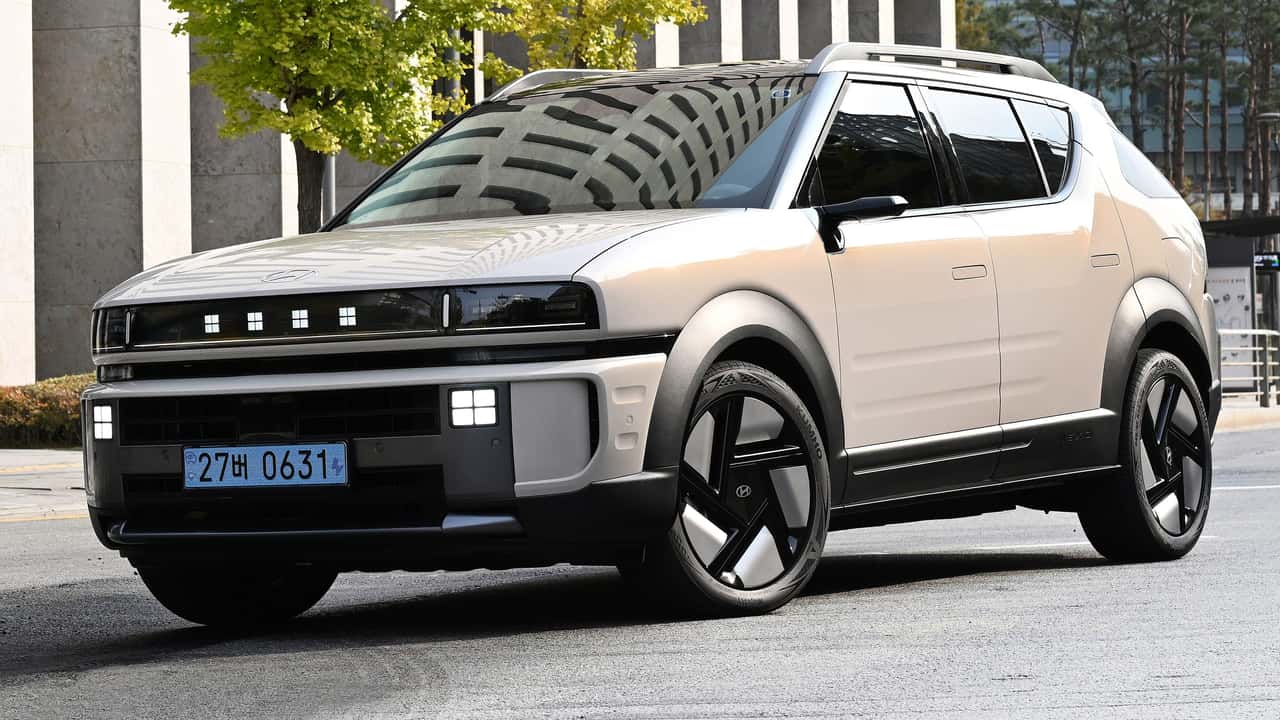
Hyundai has already gained experience with the Nexo, its hydrogen-powered crossover, and is considering what comes next. The second-generation model has yet to establish itself in more markets, but the company isn't ruling out further investment in fuel-cell passenger vehicles.
The challenge isn't unique to Hyundai. Toyota has also spent years developing hydrogen technology, most notably through the Mirai sedan, while BMW remains committed to fuel cells as an alternative to battery-electric powertrains. The German luxury automaker plans to introduce an iX5 Hydrogen later this decade. Toyota and BMW strengthened their partnership in 2024 to jointly develop a third-generation fuel-cell system and reduce production costs.
Source link