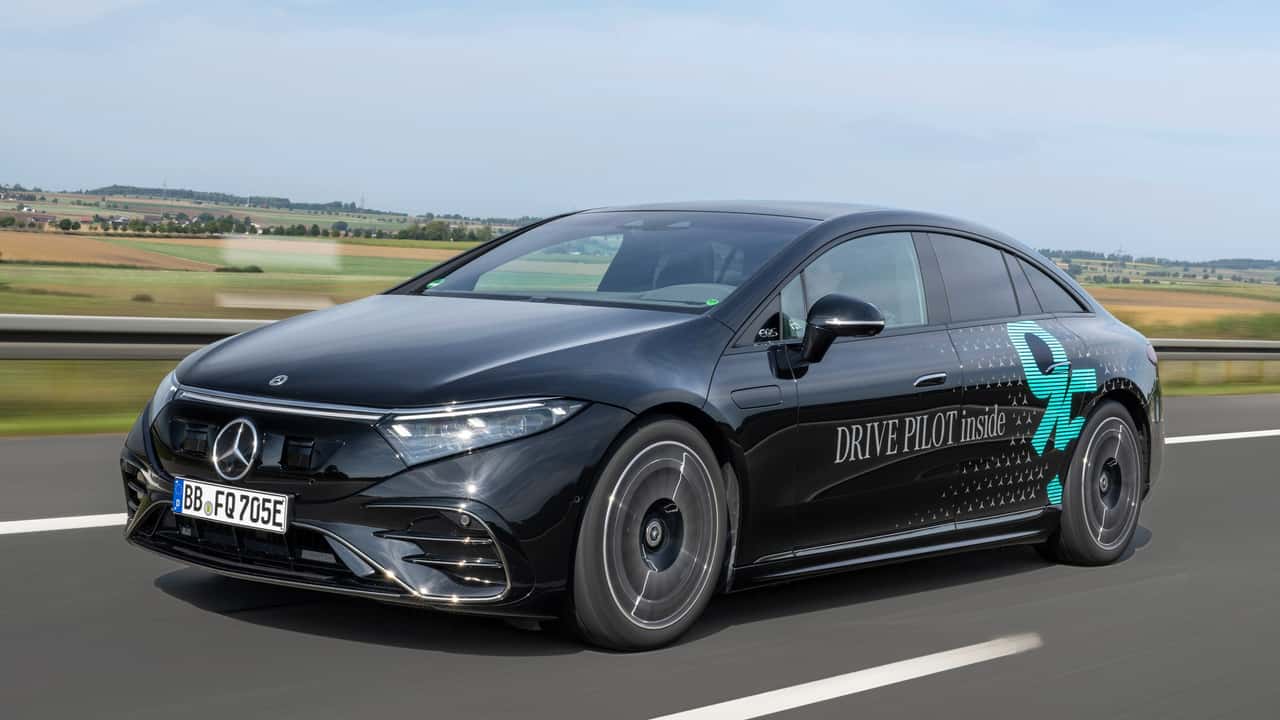
The modern automobile is becoming much more than a means of transportation. Electric powertrains, connected infotainment systems, advanced navigation and increasingly sophisticated software are transforming how people experience long-distance travel. For passengers, these developments create new opportunities to stay informed, entertained and connected throughout a journey.
Electric vehicles have accelerated this transformation by introducing different travel routines. Charging stops, battery management and route planning encourage drivers to think more carefully about how they spend time between destinations. Meanwhile, smartphones and mobile connectivity have made digital services accessible almost everywhere.
The result is a changing relationship between automotive technology and personal entertainment. From live sports coverage to mobile gaming, digital activities increasingly accompany road trips, although their use must remain separate from the responsibilities of driving.
Connected vehicles combine onboard computing, wireless communication and software-based services to improve convenience and functionality. Modern infotainment systems can provide navigation, music streaming, smartphone integration and access to selected vehicle information through a central display.
Many manufacturers also offer companion applications that allow owners to check battery levels, locate their vehicles or manage charging remotely. Over-the-air updates can improve supported features without requiring a traditional dealership visit.
These technologies are particularly relevant to electric vehicles, where digital systems help drivers manage range and charging infrastructure.
The most effective systems prioritize simplicity. Large displays and extensive functionality are useful only when drivers can access essential information without unnecessary distraction.
Traditional road trips often revolve around fuel stops lasting only a few minutes. Electric vehicle travel introduces a different pattern because charging duration depends on battery capacity, charging equipment, temperature and the vehicle’s charging characteristics.
Source link