Mercedes-Benz was one of the first automakers to bring Level 3 driver-assistance technology to American roads. The newest S-Class, oddly, arrived in the US without it, signaling a change in direction as the automaker shifts toward more advanced driver assistance systems.
Mercedes-Benz Chief Technology Officer Jörg Burzer recently spoke with Road & Track at a media roundtable, where he explained that the company's early push into Level 3 autonomy taught the company an important lesson: Being first doesn't necessarily mean giving customers what they actually want.
As Burzer explains, Mercedes moved into Level 3 autonomy before the technology was particularly useful to everyday drivers. Now, it's prioritizing a more capable Level 2 system, with plans to eventually skip Level 3 altogether and pursue Level 4 autonomy.
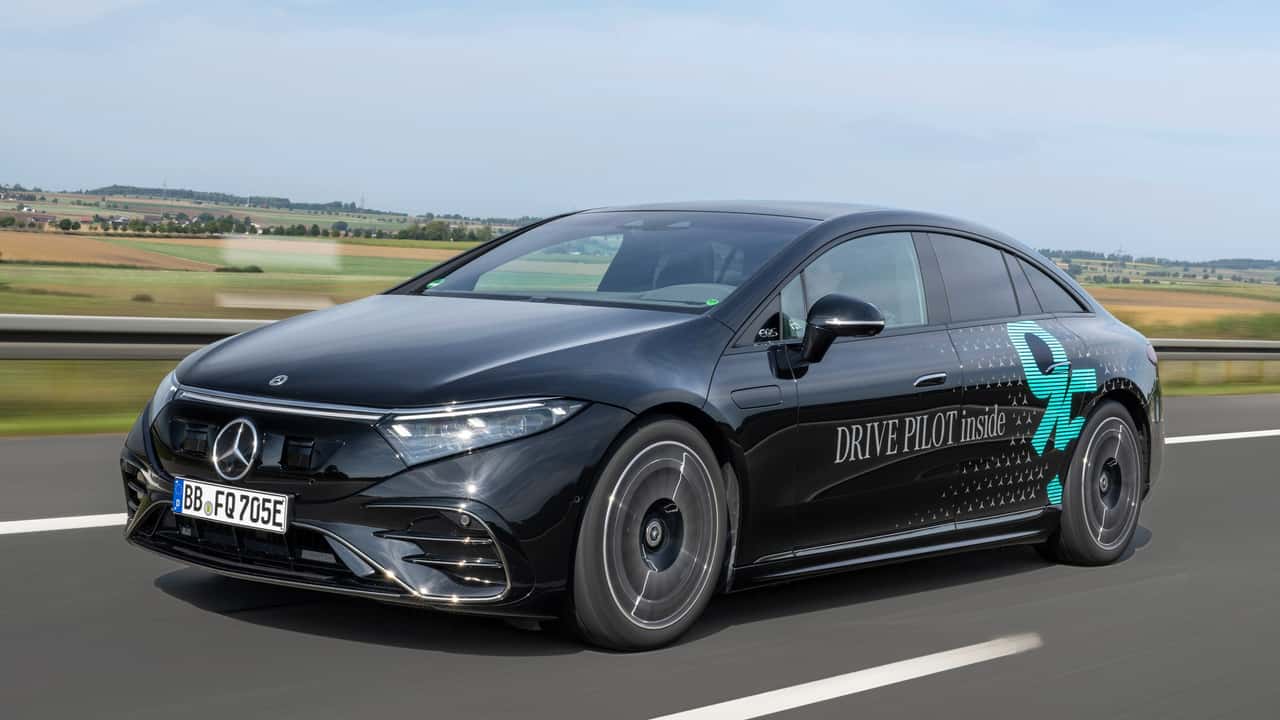
Mercedes made headlines with Drive Pilot in 2023, becoming the first automaker with Level 3 autonomy approved for the US. It was initially offered on the S-Class and EQS, allowing drivers to take their eyes off the road under certain conditions.
The issue was that Drive Pilot was limited to speeds of around 40 mph, making it useful only in slow-moving traffic rather than typical highway driving. It was also restricted to certain roads and operating conditions, which likely played a role in Mercedes' change of direction. As Burzer put it:
'Sometimes if you are too early, then you see that you have to work on what the customer really wants.'
Mercedes isn't ready to give up on hands-free driving, though. The automaker says it’s working to make its Level 2 systems considerably more capable.
Source link