Electric car batteries are holding up far better in daily driving than many motorists feared, according to extensive new road data from Ford. The carmaker says its battery packs keep more than 90% of their original capacity on average after 100,000 miles of travel.
The figures offer rare, large-scale insight into how power packs age outside test laboratories. Battery degradation remains a key hesitation for drivers considering an electric model. Ford’s latest findings indicate that sudden, steep drops in storage capacity are largely absent across standard ownership cycles.
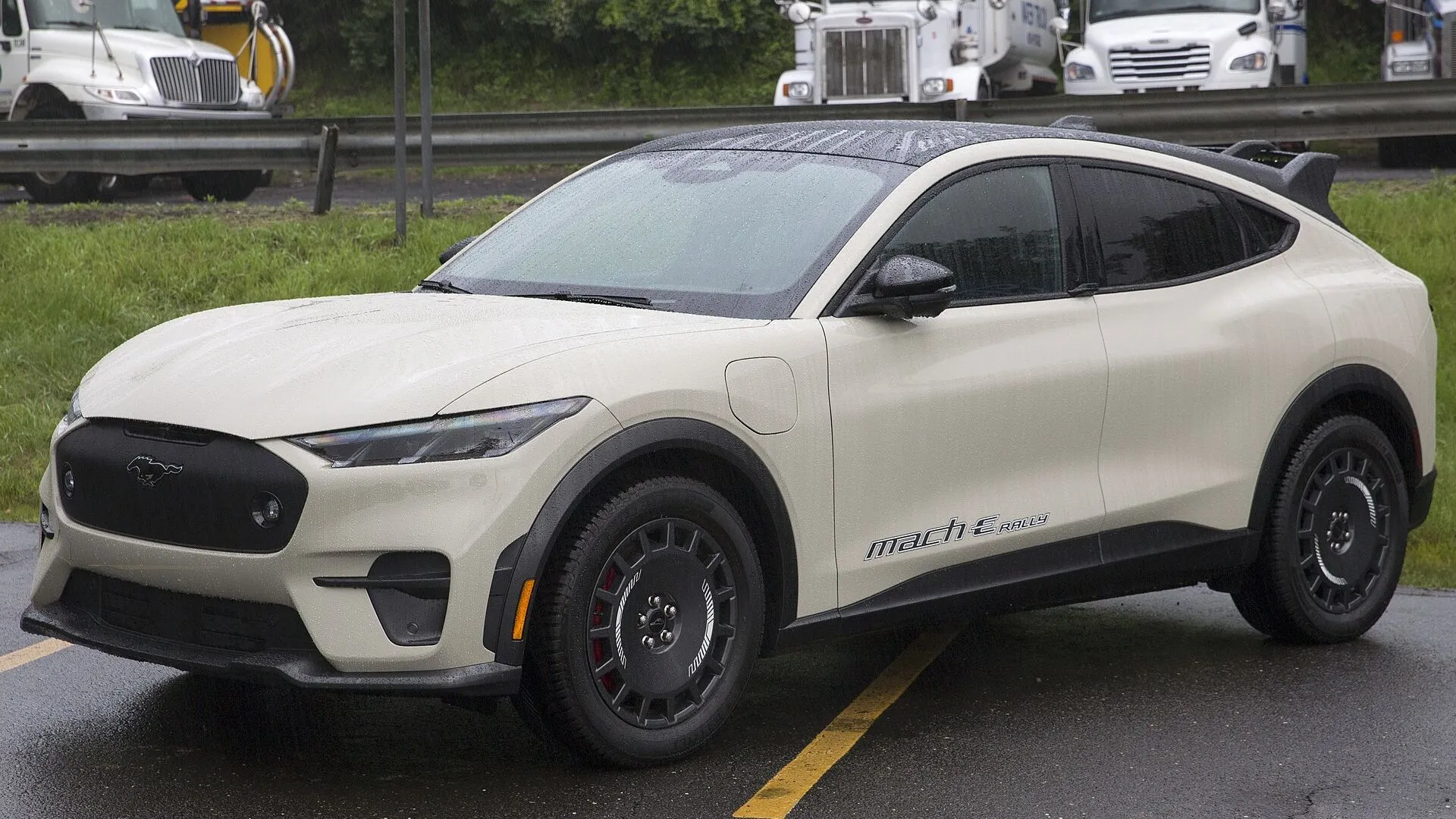
Engineers based their conclusions on the 2021 Mustang Mach-E, the company’s first purpose-built electric crossover. Over five years, more than 36,000 of these vehicles have traveled across the United States and Canada. Together, they have covered roughly two billion miles on public roads.
Across that entire group, average battery health stands at 92%. Crucially for researchers, the performance gap between individual cars is narrow. Ford found that 95% of the fleet falls within a tight health band between 87% and 97%. This consistency shows that extreme degradation remains rare, even in varying climates and driving conditions.
The trend continues among high-mileage motorists. More than 2,000 early owners have already crossed the 100,000-mile mark on their factory-installed batteries. That specific group still averages more than 91% usable capacity. A smaller set of roughly 30 drivers has driven past 200,000 miles, retaining an average of 88%.
The fleet numbers explain unusual private milestones, including one driver who reached 400,000 miles in a 2022 model without replacing his pack.
Source link