
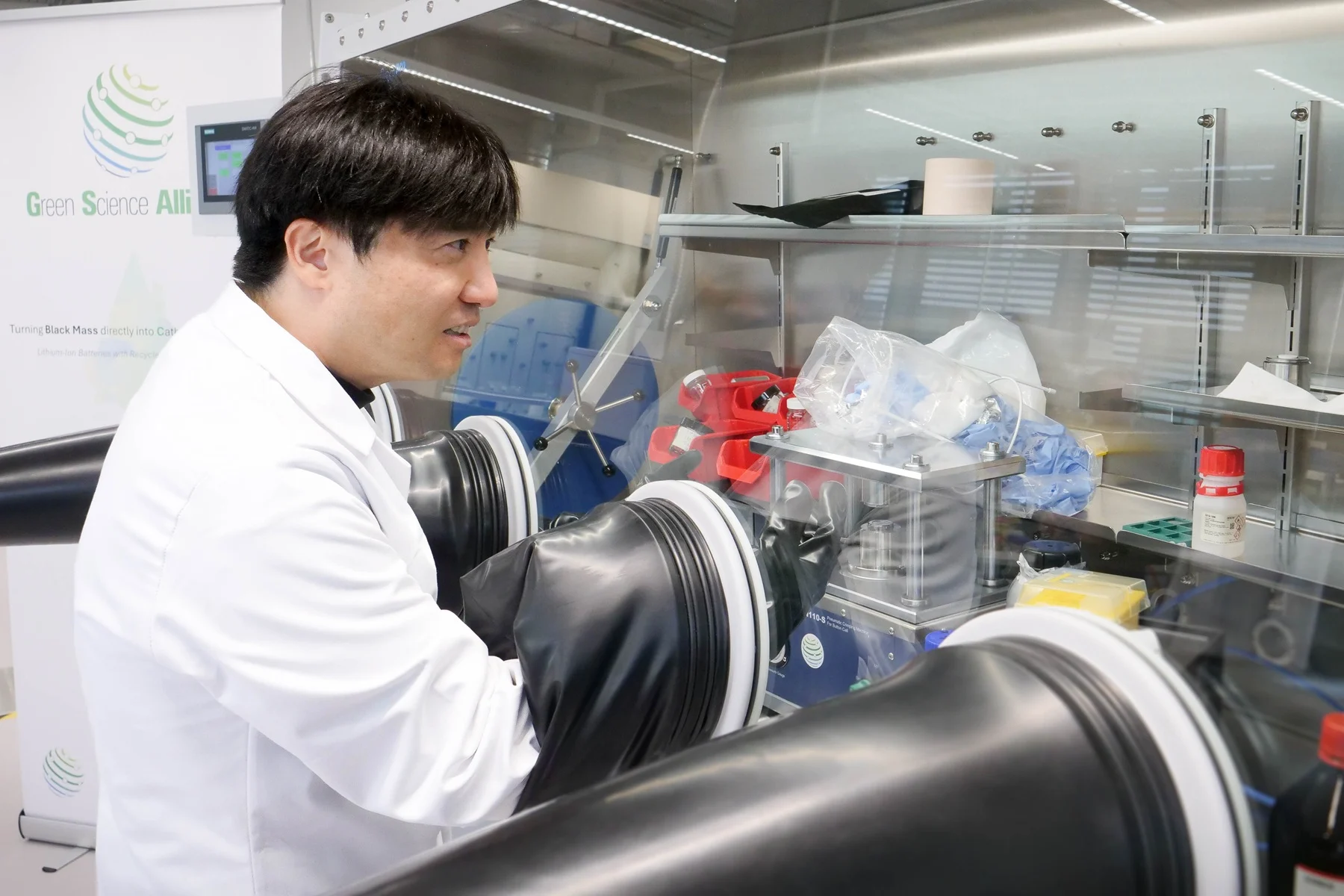
The Japanese chemical and greentech firm has opened a battery recycling laboratory at the Switzerland Innovation Park Biel/Bienne (SIPBB) in the canton of Bern. In collaboration with the Swiss Battery Technology Center, the company aims to recover cathode material from used lithium-ion batteries, which can be directly reused in new cells. The detour via individual metals is to be eliminated.
The lab was inaugurated on Monday, attended by GSA CEO Ryohei Mori and SBTC Director Christian Ochsenbein. Headquartered in Kawanishi, Japan, GSA specialises in areas such as quantum dots, metal-organic frameworks (MOFs), and deep eutectic solvents. Biel is set to serve as the company’s gateway to the European market. SBTC, for its part, covers material analysis, electrode manufacturing, battery cell development and testing, as well as recycling.
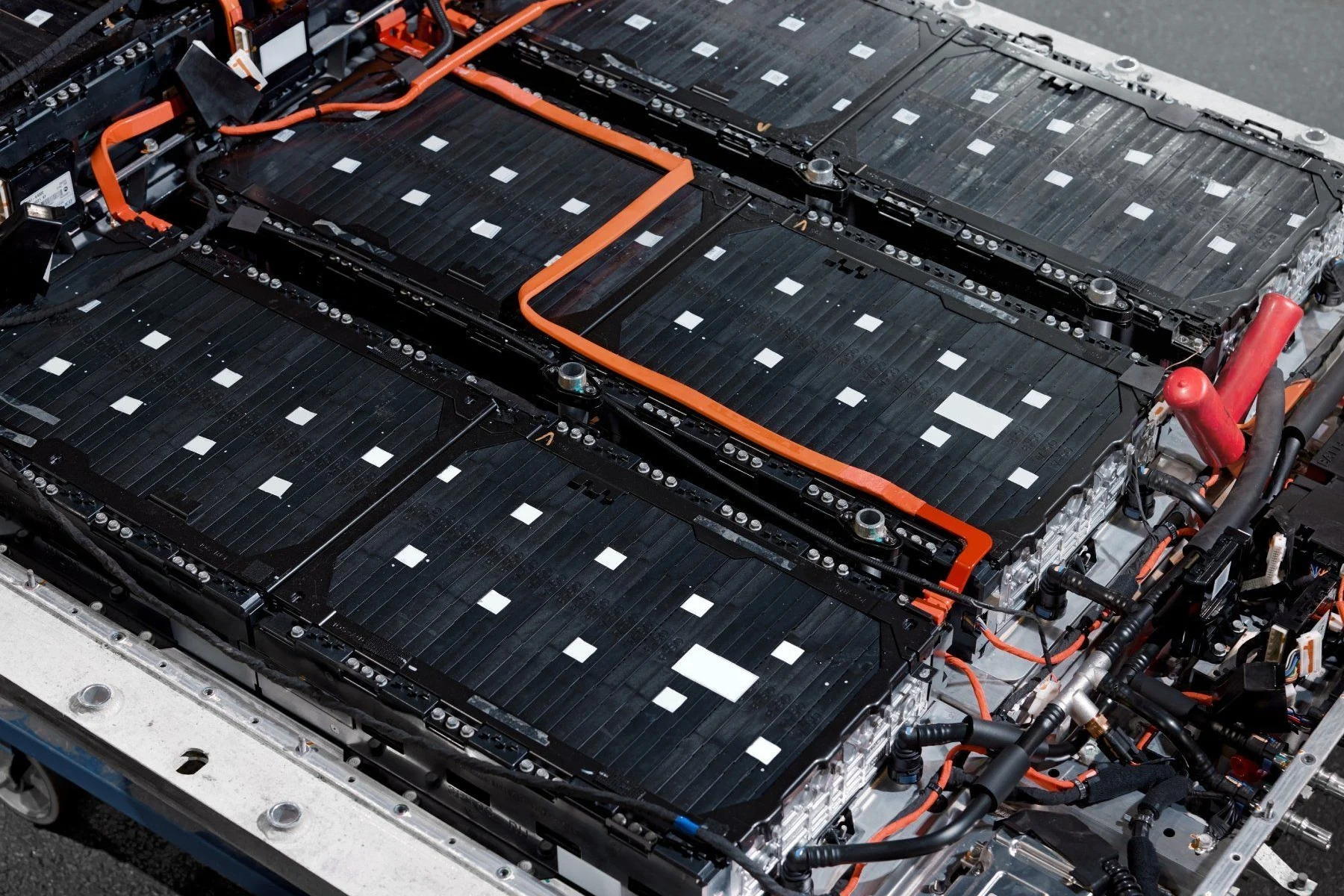
The focus is on so-called black mass. When end-of-life batteries are shredded and mechanically processed, a dark powder remains. This contains the active materials that store and release energy within the cell. In conventional recycling, individual metals such as lithium, nickel or cobalt are extracted using acids or alkalis. Several additional processing steps are then required to produce cathode material again. The variability of black mass – depending on cell chemistry, battery age and processing method – is being examined in the SHERLOCK research project, which aims to develop quality standards for black mass.
GSA aims to shorten this chain. Instead of breaking down the cathode material from the black mass into its constituent elements, the company reprocesses the material and reuses it directly.
Source link