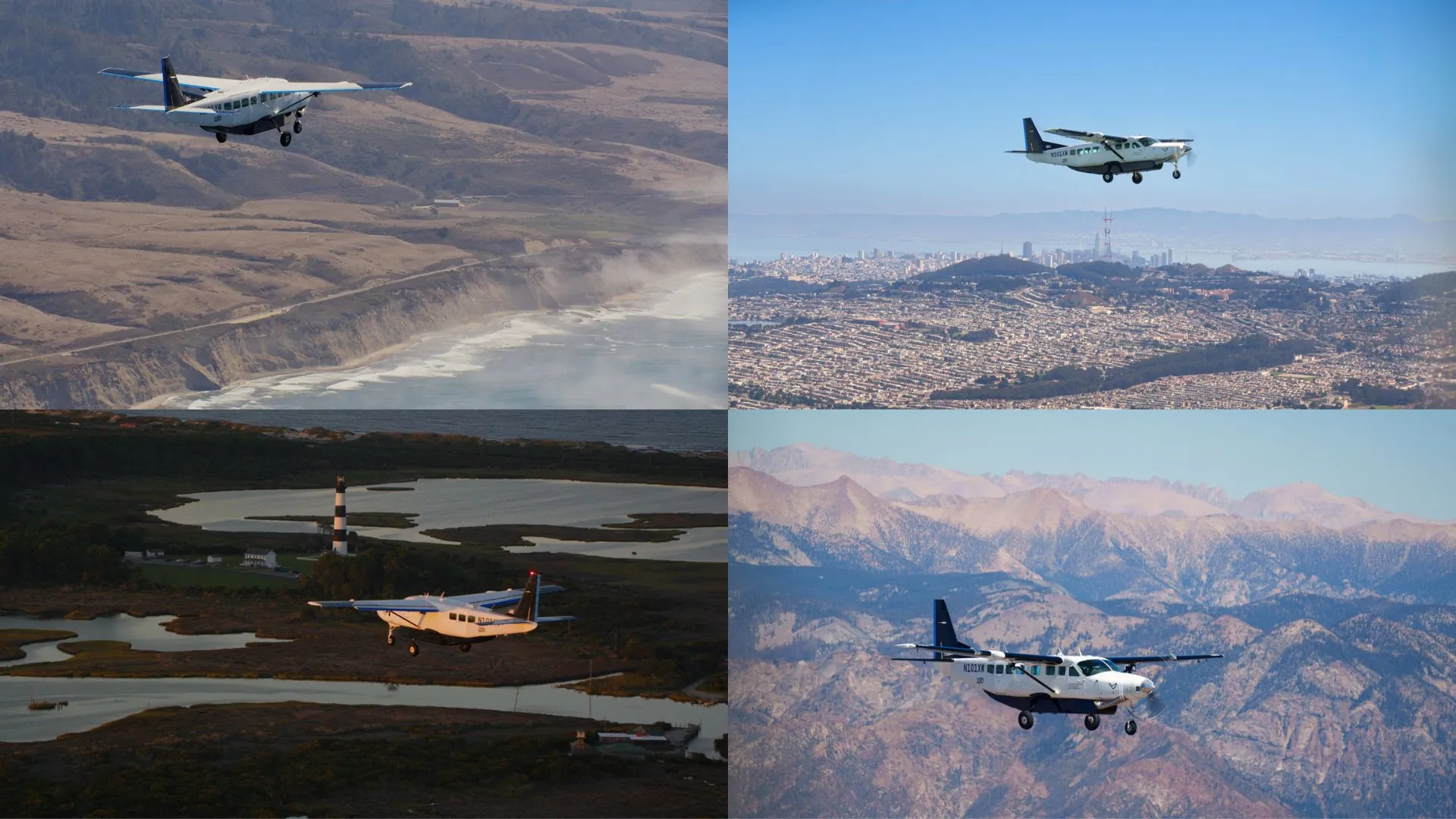
Joby Aviation has completed a 3,199-mile autonomous flight across the United States, marking a major test of its aircraft control technology. The company used a modified Cessna Caravan for the journey, which ended near North Carolina’s Outer Banks.
An onboard safety pilot remained present throughout the flight but never operated the aircraft’s controls. Joby instead managed the aircraft remotely, with supervision coming from facilities in California and South Carolina.
The aircraft handled critical portions of the mission autonomously, including taxiing, takeoff, navigation and landing. Remote operators supervised the flight from distances reaching 2,323 miles.
The eastbound trip formed part of Joby’s 2026 Electric Skies tour. The route also gave engineers opportunities to test the system across different airspace and operating conditions.
One of the more significant tests came at Phoenix Deer Valley Airport in Arizona. The busy general aviation airport provided a tougher environment than a controlled demonstration area.
Joby also said its aircraft encountered severe weather and thunderstorms during the journey. Its autonomous system rerouted the aircraft without needing previous familiarity with the destination airport.
That capability matters because autonomous aircraft must handle changing conditions beyond carefully scripted test flights. Airports, weather patterns, and surrounding traffic can all change during a mission.
The aircraft also stopped at Fort Worth Alliance Airport in Texas. There, Joby demonstrated how autonomous aircraft could eventually support freight operations at a major logistics hub.
At Shaw Air Force Base in South Carolina, the aircraft took part in a demonstration focused on military operations. The company sees potential applications across commercial cargo, emergency response, and defense logistics.
Source link