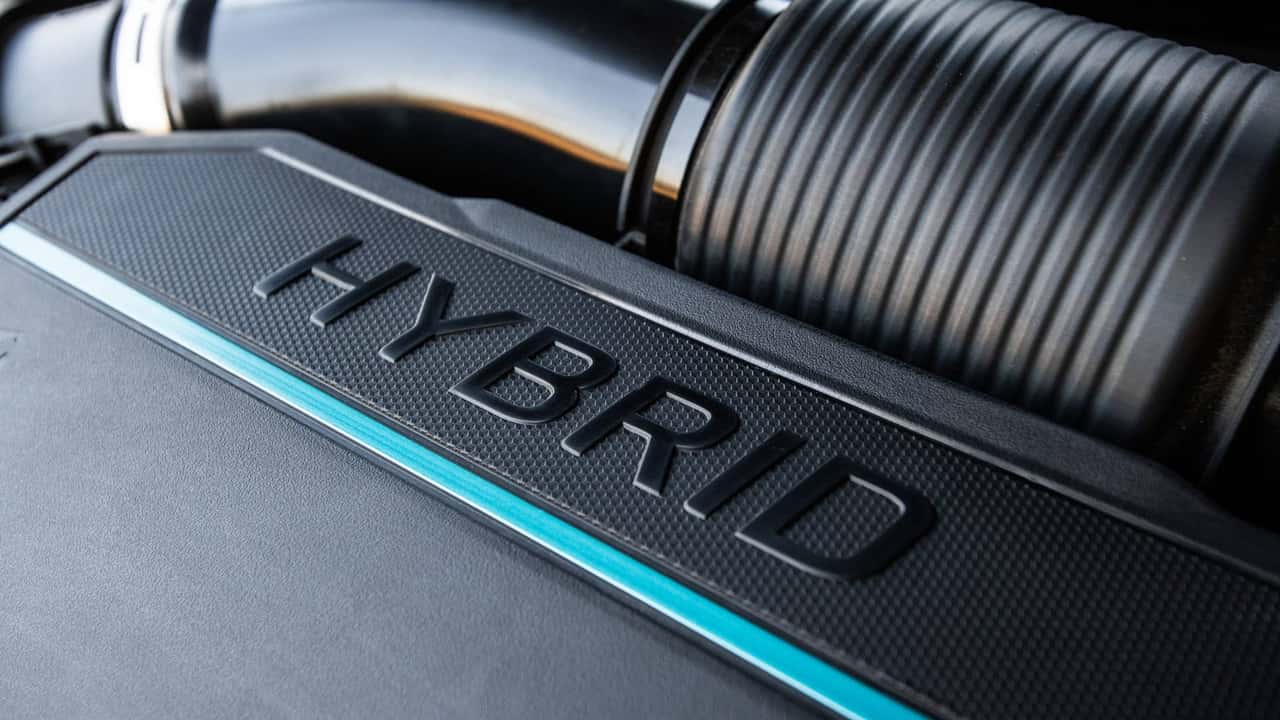
Americans’ appetite for electric cars has softened in the last year, leaving hybrids as the vehicle of choice for people who want to lower their fuel bills. With the average gas price in the United States hovering around the $4/gallon mark, hybrids promise lower fuel consumption than a traditional combustion car without any perceived inconvenience.
A traditional hybrid will work just like any other gas car with an automatic transmission, so new owners don’t have to go through a crash course on how to drive their new vehicle. But not all hybrids are created equal, and each type of hybrid has its pros and cons.
Here’s everything you need to know about all the different types of hybrid cars, and how each system works.
To keep things simple, a hybrid has a conventional gas engine under the hood and one or more electric motors that pick up the slack under various scenarios to cut fuel consumption. The electric motor is powered by a high-voltage battery that can store very little energy, as is the case with most traditional hybrids without a plug, or a moderate amount of energy, in the case of plug-in hybrids.
The battery that can power the vehicle, known as the traction battery, is separate from the 12-volt battery that has been a staple of the automotive industry for decades and runs things like the radio and lighting.
This is the simplest type of hybrid out there to design, and I’ll let you in on a little secret: It’s barely a hybrid.
Source link