Buying a European EV can come with a potentially expensive catch. Policymakers want more of the batteries powering Europe’s electric cars to be made locally, helping secure jobs and reduce dependence on China. But those batteries cost more to produce, and someone has to cover the difference. It will likely be the buyer.
That’s the warning in a September 22 policy brief from Brussels think tank Bruegel, which was picked up by Euronews. The report argues that protecting established manufacturers risks leaving consumers (and taxpayers) with the bill.
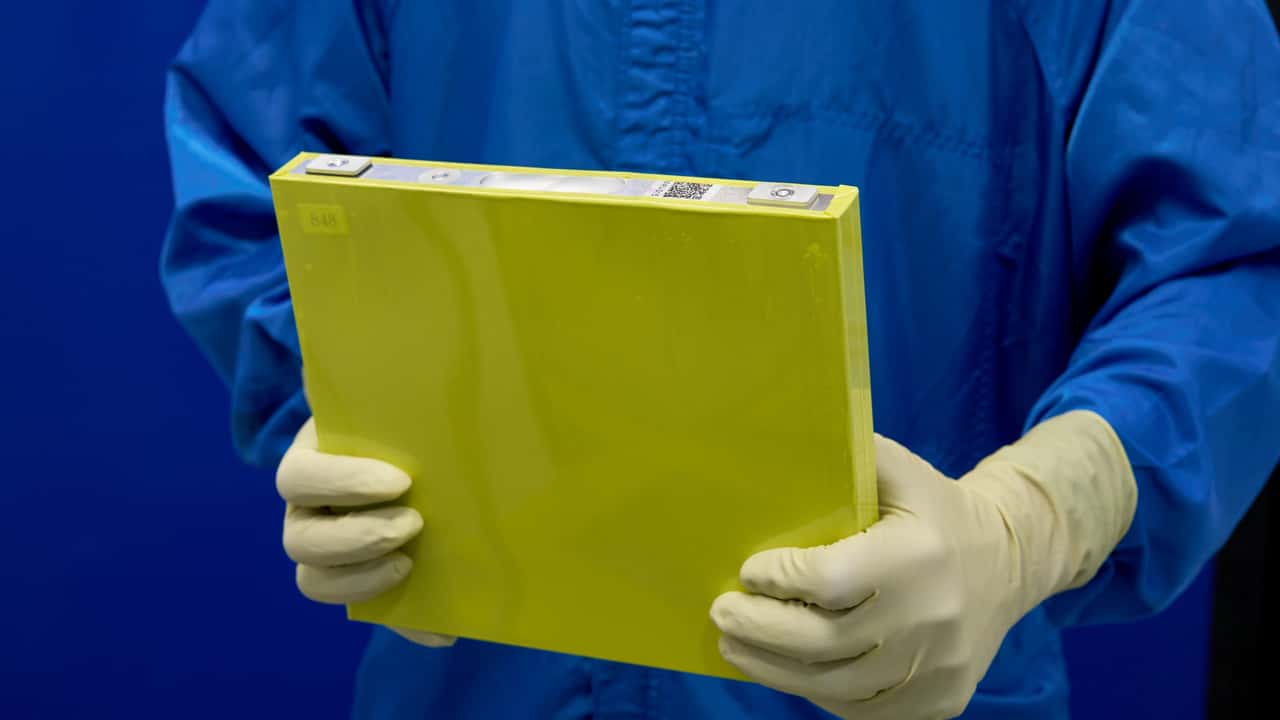
Its battery calculation is pretty straightforward. Requiring EU-made cells could raise costs from €50 to €85 per kilowatt-hour. Multiply that by 60 kWh, and it works out to €2,100. A proposed low-carbon steel requirement could add another €200. Simplifying vehicle approval, meanwhile, would save manufacturers an estimated €61 per car, according to the report.
None of this is set in stone, though, and what buyers would actually end up paying depends on the final form of the rules, government subsidies, and how much of the extra cost carmakers pass on to consumers. Regardless of the details, those looking to buy at the most affordable end of the market would be hit hardest.
The pressure to protect Europe’s industry is real. 2 million fewer new cars in 2025 than in 2019. The wider automotive sector employs around 14 million people. However, Bruegel also points to continued exports and roughly €3 billion in quarterly investment in battery and EV factories. It raises concerns that Europe is gradually losing technology, suppliers, and overseas customers.
Source link