
SPRIND, the German Federal Agency for Disruptive Innovation, is participating in Aachen-based battery recycling specialist Cylib. The startup, founded in 2022, is close to commercialising its processes. Cylib's hydrometallurgical recycling plant is currently being built in Dormagen, North Rhine-Westphalia.
SPRIND is supporting the young company with an investment of an undisclosed amount and will thus become a shareholder in Cylib. The partners have only generally stated that the federal agency is helping Cylib “to further develop its technology and scale it to industrial maturity”. According to Cylib’s management, the reasoning is simple: “Europe has little access of its own to the raw materials that are critical for battery production, while the number of end-of-life EV batteries grows every year.” Cylib is working to keep these critical raw materials in a closed loop: from the spent battery back into new value creation.
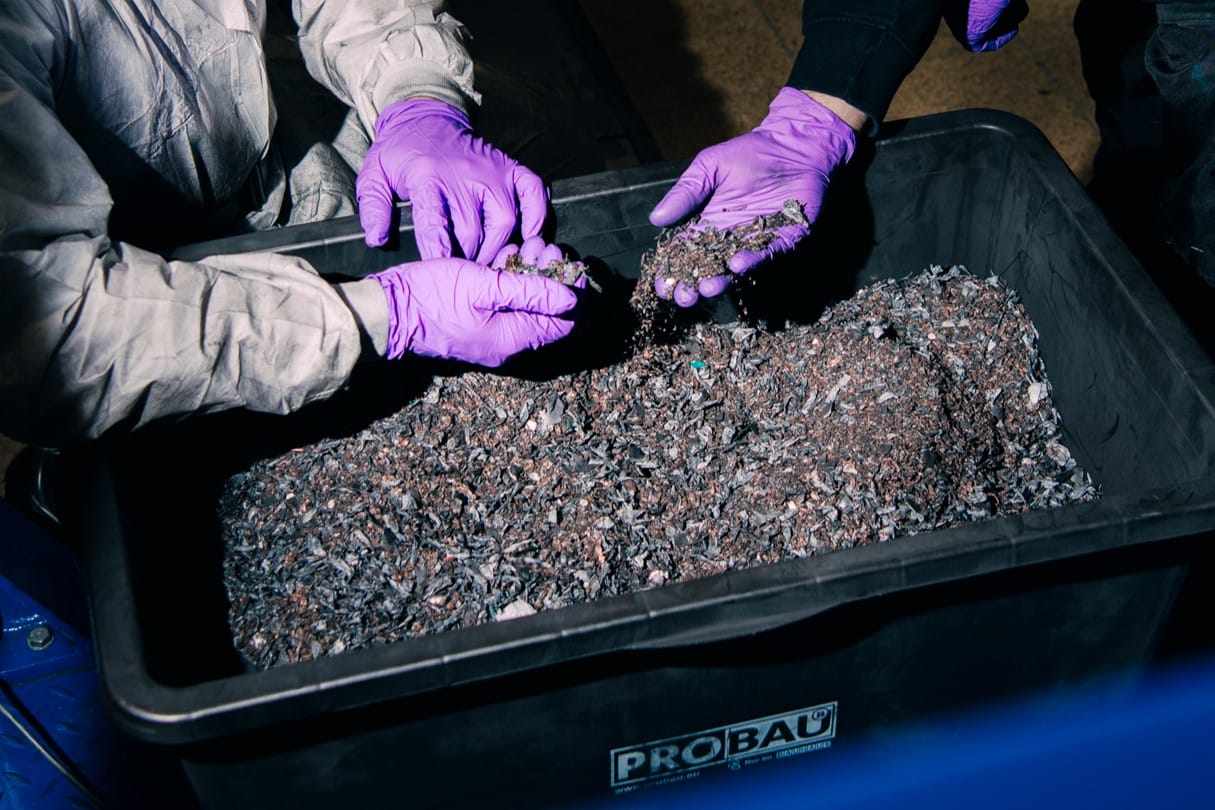
The process advanced by Cylib is based on research conducted at RWTH Aachen. While early recycling methods focused on nickel and cobalt, with lithium only recovered at the end of the process chain or lost in the slag, lithium takes centre stage in this new approach: the water-based OLiC process (“Optimised Lithium and Graphite Recovery”) recovers lithium in the very first steps from the black mass, Cylib explains. The company states recovery rates of over 90 per cent for lithium, graphite, nickel, cobalt and manganese.
“Our technology was born in research, and at cylib we have developed it to the threshold of industrialisation,” explained Dr. Lilian Schwich, co-CEO and co-founder of Cylib.
Source link