Anyone who’s bid on Copart or IAAI knows the drill—the excitement of winning a lot fades fast once the real invoice shows up, and it’s rarely just the hammer price. Shipping, fees, paperwork, sometimes a title surprise nobody flagged at bidding time. The gap between “what I expected to pay” and “what actually landed on the bill” trips up even experienced buyers, and it usually comes down to two things nobody checked early enough. Knowing the shipping math and knowing the car’s real history fixes most of that confusion before it ever becomes a problem.
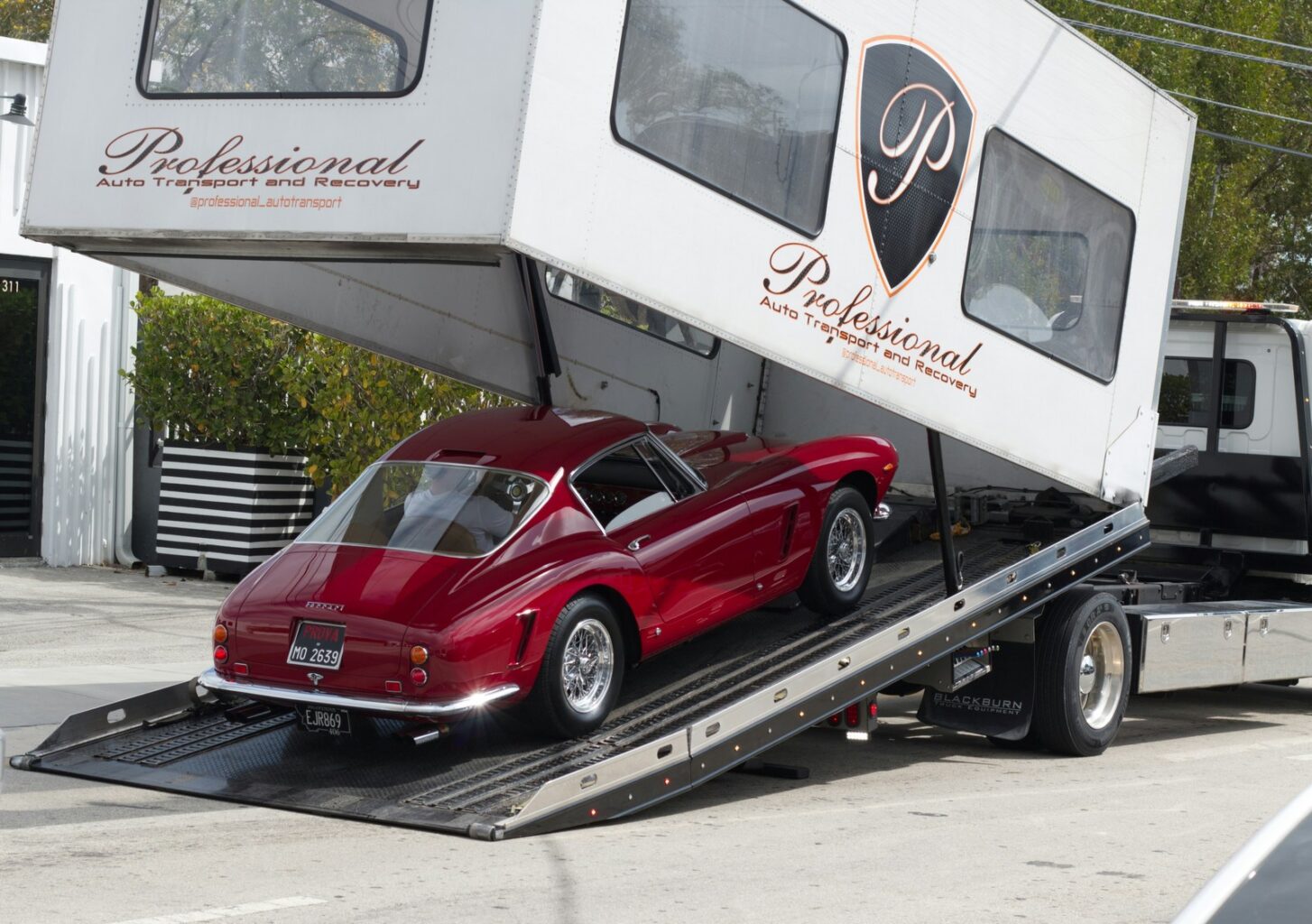
Getting car shipping from auction sorted early changes the whole experience, honestly. Most buyers assume shipping is a flat, predictable add-on, but it swings based on the auction yard’s distance from the nearest port, the vessel type and how crowded that particular route is that month. A lot sitting three hours from a major port ships for noticeably less than one stuck inland, and that difference only becomes obvious once someone actually maps it out instead of guessing. Distance isn’t the only variable either—whether the car runs or needs container shipping instead of RoRo can shift the quote by a wide margin, and seasonal demand on a given route adds another layer nobody thinks about until the invoice lands.
Vehicle history is the other half of the equation, and this is where a lot of buyers cut corners to save a few bucks. A free alternative to Carfax can pull the same core data—accident records, title status, odometer readings—without the subscription price tag some services charge.
Source link