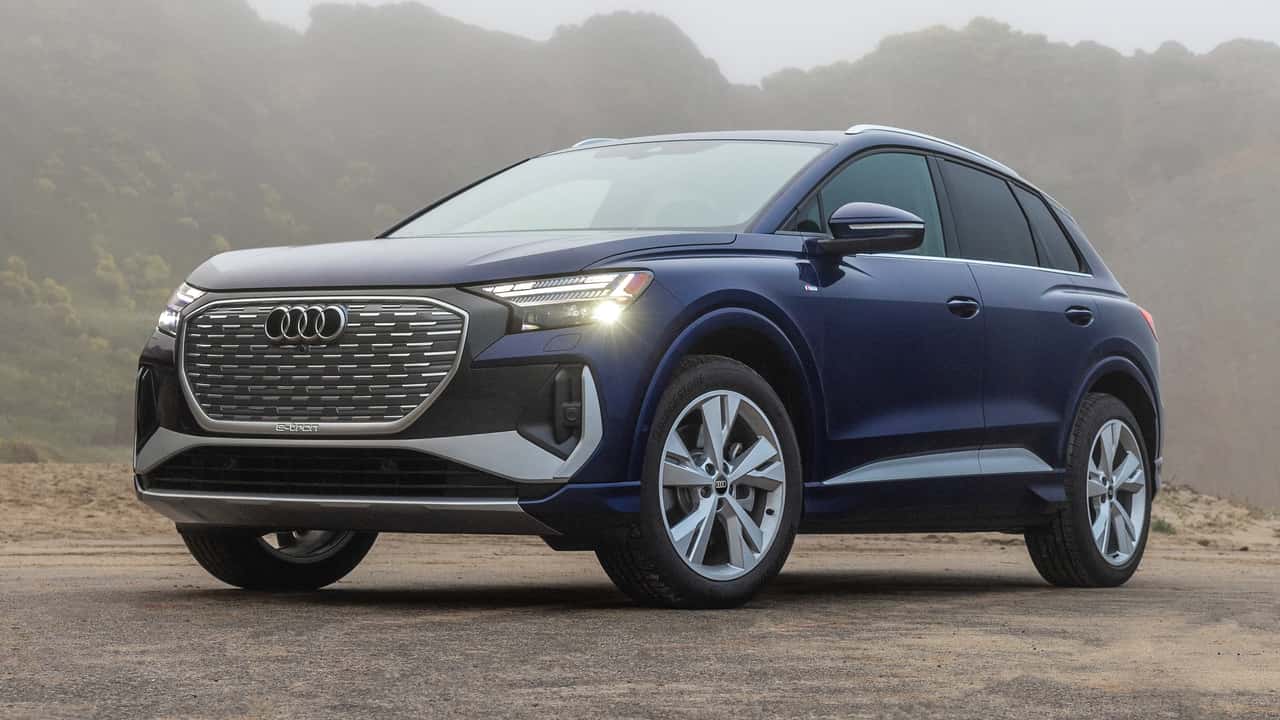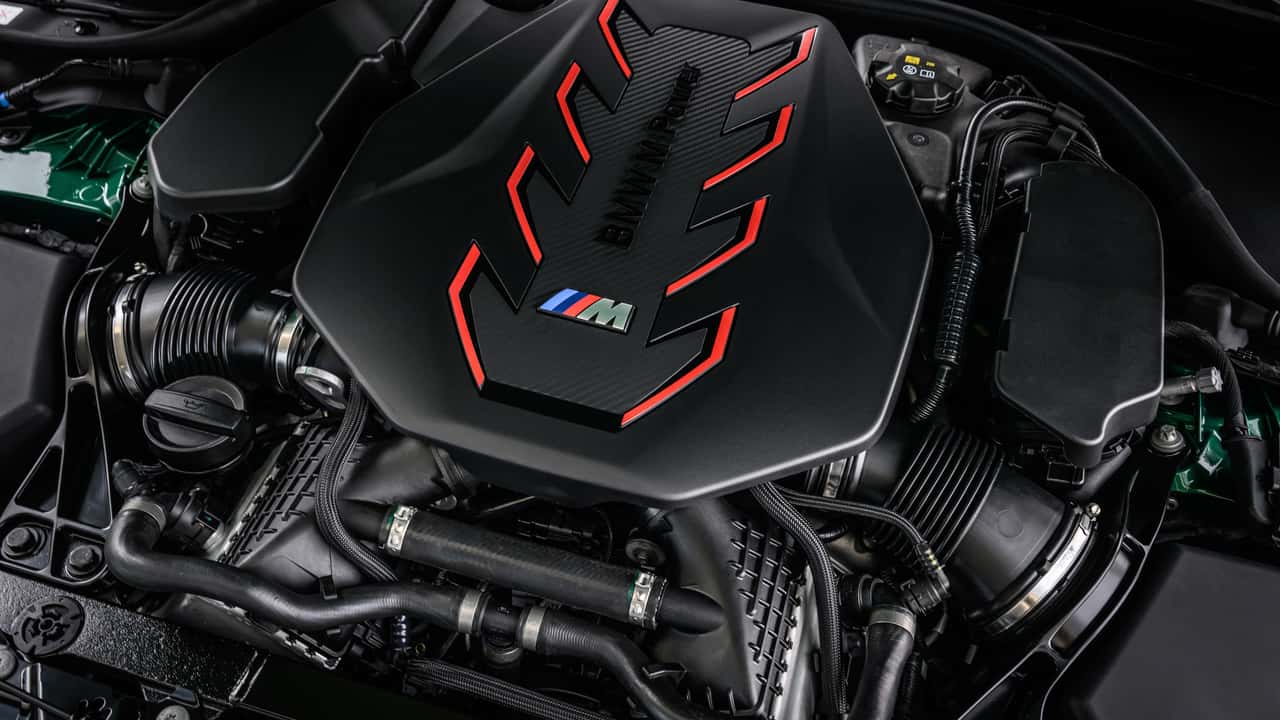
BMW’s embrace of batteries seems sacrilegious for a brand built on fun-to-drive, combustion-powered cars. But these EVs could actually be critical to keeping the V8 engine around even longer.
In Australia, EVs accounted for nearly 20 percent of BMW’s sales in 2025. The country’s latest emissions standards measure a fleet’s average CO2 output, so the more EVs that BMW sells, the more high-performance V8s it can sell as well.
The automaker’s strong EV sales mean it doesn’t have to pull popular models from its lineup. Vikram Pawah, the head of BMW Group Australia, told CarSales in a recent interview:
'We can absolutely create that balance [of powertrains] as an organization, and that’s what we intend to keep.'
BMW has embraced its "Power of Choice" philosophy introduced nearly a decade ago, which has dictated its direction ever since. It’s built on a shared platform, flexible manufacturing, and technological neutrality, which means the brand invests in a range of powertrain types.
BMW continues to offer gasoline, diesel, plug-in hybrid, and fully electric vehicles, giving customers more powertrain choices while allowing the brand to adapt to changing consumer demand and government regulations.
The German automaker is even continuing to invest in hydrogen. Back in September, BMW was performing a comprehensive real-world validation program on the iX5 Hydrogen.
In the last few years, numerous automakers have committed additional resources not only to producing combustion engines, but to V8s, too . In 2025, General Motors announced a massive investment to keep the eight-cylinder engine alive, which the automaker is already producing.
Source link