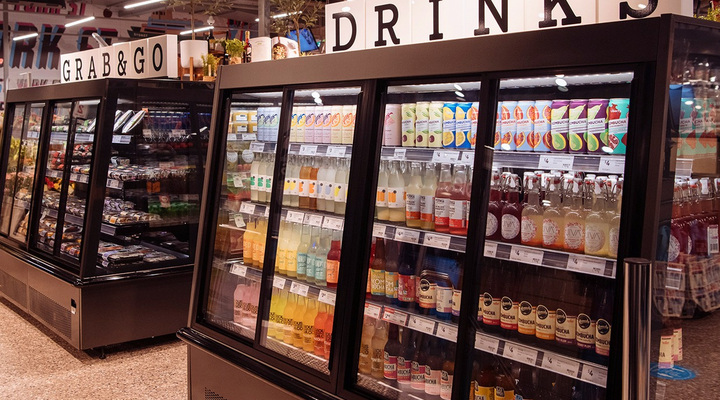
Last night, I popped into my local supermarket and grabbed two litres of milk, a loaf of bread, some yoghurt and a roast chook. Total cost: $26.50. A couple of years ago, the same basket would have been less than $20.
Alongside rising interest rates, the cost-of-living crisis rages on and is nowhere more visible than at the supermarket checkout.
In this climate, a supermarket duopoly controlling two-thirds of the market with some of the highest supermarket profit margins globally doesn’t quite pass the pub test with the average punter.
So when an Australian Greens party think-tank proposed a chain of government-owned supermarkets, plenty of Australians were cheering them on, and they wouldn’t have been the only ones. Suppliers have long argued that major supermarkets use their market power to squeeze profit margins, forcing producers to sell goods at unsustainably low prices.
While the idea might present unwelcome competition for the supermarket duopoly, the prospect of a supermarket that runs at cost and sells essentials at a 30 per cent discount is pretty attractive to everyday Australians.
And for suppliers facing intense commercial pressure, coupled with the expectation to spend big on brand and marketing to support on-shelf presence, a supermarket chain that doesn’t make such demands sounds pretty appealing.
But if we’re going to shake up the Australian supermarket sector and add a government-owned player to the mix, why not take the opportunity to fix all the things that are wrong with supermarkets today?
Big brands are the big winners on the shelf at Coles and Woollies.
Source link