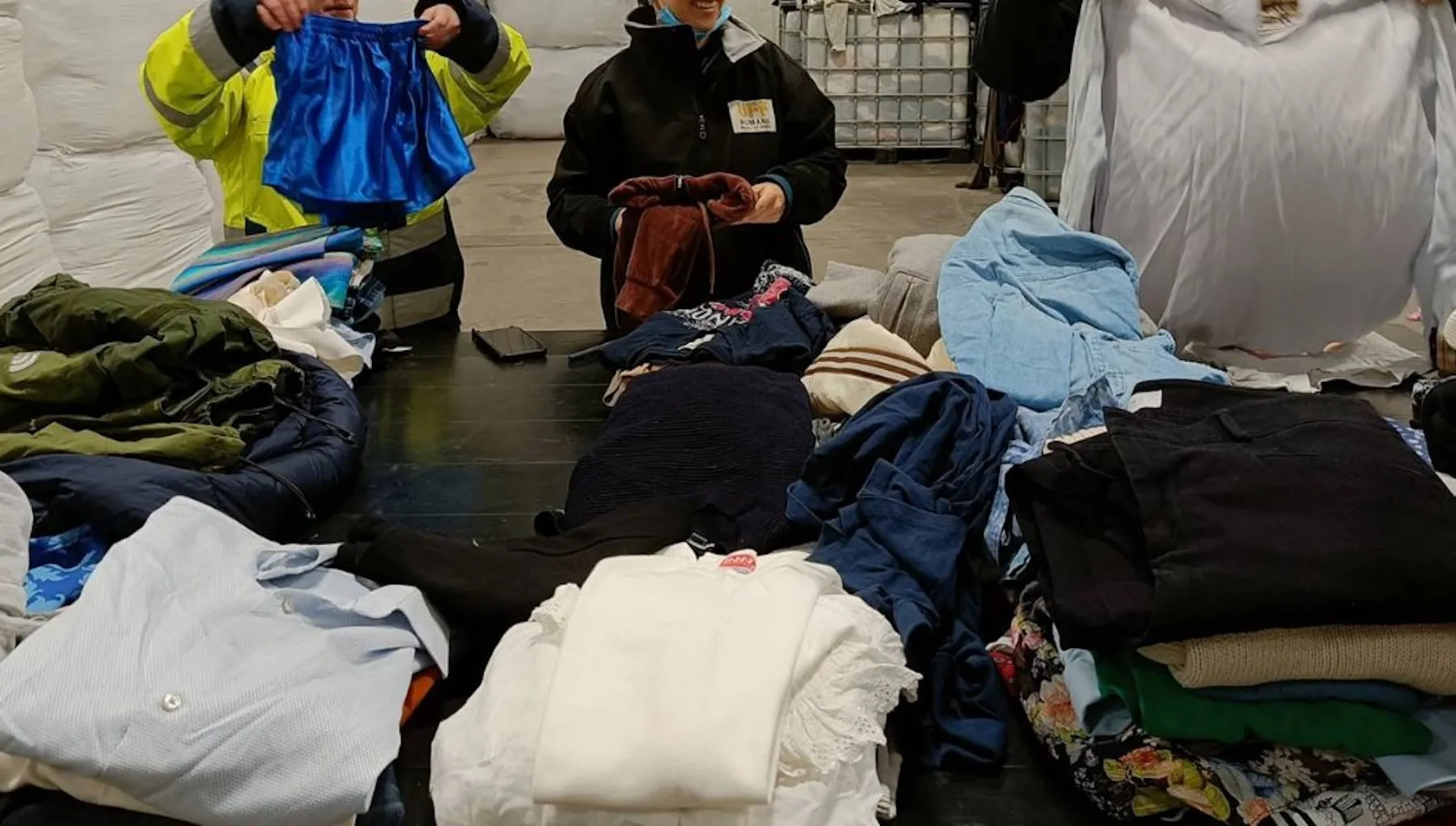
Europe’s used clothing travels much farther than trade statistics can reliably follow—leaving exporters with limited visibility into whether garments are ultimately resold, recycled or discarded.
A new study from sustainability consultancy Eunomia Research & Consulting and Norwegian consultancy Mepex tracked 200 discarded clothing items from five Nordic countries through international secondhand textile supply chains, documenting journeys across 23 countries and exposing significant gaps in what happens after garments leave their initial sorting destinations.
Related Stories

Who's All This Supply Chain Data For, Anyway?
Indonesian Government Eyes Industry Expansion With a Focus on Circularity
The research found that 71 percent of tracked garments had their last recorded location in Europe, with Poland accounting for 30 percent and Slovakia for 18 percent. Pakistan was the third-largest recorded destination, receiving 14 percent of the sample. Other garments traveled to countries across Africa, Asia and the Middle East.
But those locations do not necessarily represent where the clothing was ultimately sold, reused or discarded. The tracking exercise lasted six months, and some garments had not completed their journeys when monitoring ended.
That distinction is central to the study, which found that European textile exporters can generally identify their immediate buyers but have far less information about subsequent shipments, processing activities and final destinations.
The report, “Understanding Used and Waste Textiles Exports from the Nordics,” examined clothing collected in Denmark, Finland, Iceland, Norway and Sweden. Researchers combined digital tracking devices with international trade data, interviews with textile collectors and country-level research in major importing markets.
Source link