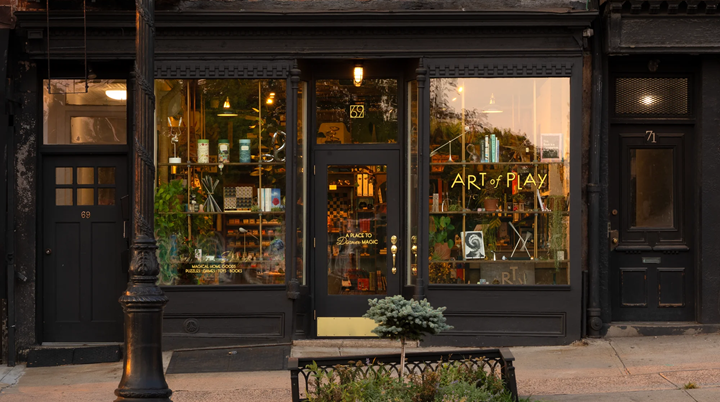
Earlier this month, Kelly Clarkson spent four minutes and 50 seconds inside Art of Play, a Brooklyn shop full of puzzles, playing cards and curious things to look at. One of those things was a yellow mechanical bird called Molly, perched on the wall near a US$15,000 price tag.
Clarkson, wearing a casual cap and backpack, asked about buying it and, 15 minutes after leaving, posted on X to her 8.8 million followers that staff had treated her as though she couldn’t afford it. She likened the experience to Julia Roberts’ character being dismissed by boutique staff in Pretty Woman.
The dispute continued online, with the store insisting the product wasn’t actually for sale, before Clarkson countered by posting a photo of the price tag. A few days later, security footage even surfaced, though without sound, leaving the exchange to the recollections of those involved.
Most retailers will seldom have a pop star take issue with their customer service. Plenty, however, may recognise the unsettling feeling when a complaint finds a substantial audience of its own online.
For a small business, that audience can arrive while the owner is still asking staff what happened and trying to appease the next customer. QUT professor Amisha Mehta says a retailer should respond promptly. “Acknowledge the concern, share that it is gathering the facts, and commit to providing an informed response.”
Mehta explained that the owner should give the customer a chance to share their experience directly. “The aim here is to be willing to hear information, acknowledge feelings, and demonstrate a fair process, not to win an argument online,” she told Inside Retail .
Source link