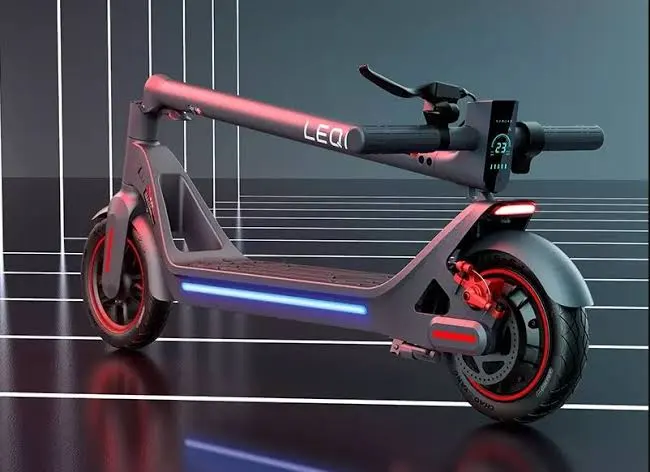
Shenzhen micro-mobility manufacturer LEQI took first place in worldwide electric scooter shipments in 2025, pushing its overseas expansion beyond basic marketplace sales into specialised categories including rideable luggage and dirt bikes.
Its subsidiary Megawheels logged 2 million users and took the top market share spot in Japan, while industry tracker QYResearch placed the brand fourth globally in the two-wheeled self-balancing scooter segment in 2026.
Founded in 2016, the hardware maker sells directly through Amazon, eBay, its own digital storefronts and commercial wholesale channels. The product catalogue now reaches beyond basic stand-up scooters to include electric bicycles, high-speed electric motorcycles and the L3 Smart Electric Suitcase, a motorised carry-on fitted with a fold-out chassis and obstacle-avoidance sensors.
Online marketplaces offer Chinese consumer hardware makers an easy route into foreign households without physical dealership networks. The friction surfaces when foreign buyers require local warranty service, replacement battery packs or street-legal certifications.
Instead of relying purely on commodity e-scooter platforms, LEQI has attempted to share core electric-drive and battery-management software across diverse form factors. High-power-density drivetrains and adaptive sensor software developed for off-road bikes feed into airport transit gear, giving the company higher retail price points than standard commuter devices command.
For cross-border consumer brands, technical compliance dictates shelf space faster than digital marketing. German road regulations, for instance, demand strict national operating permits that keep most direct-to-consumer Chinese imports off public cycle tracks.
LEQI secured Germany’s Allgemeine Betriebserlaubnis road approval for its LEQIsmart A11 scooter in 2023, giving it a regulatory wedge against rivals selling uncertified hardware.
Source link