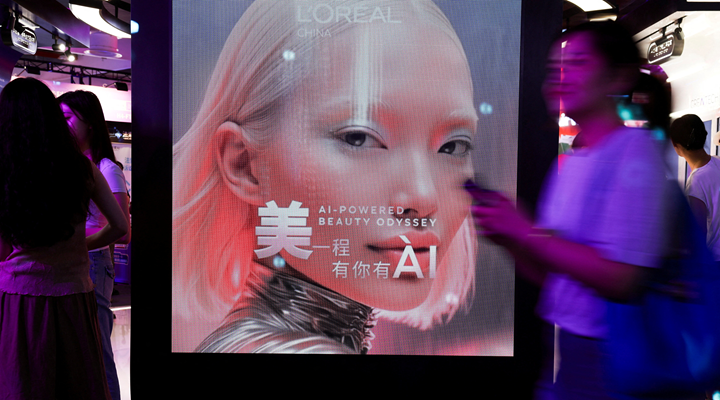
AI-generated fashion models present a tantalising opportunity for brands: the ability to create lifelike images for their retail websites while cutting costs by 90 per cent or more compared to photo shoots with human models.
For the modeling industry, the technology poses an existential threat because of scant regulation governing the ownership or use of digital twins. Fashion models face the risk of unpaid replication of their image – or replacement by entirely synthetic models.
To understand how AI is upending the economics of fashion modeling, Reuters interviewed 15 model-agency directors and reviewed more than a dozen confidential photo-shoot contracts in which brands including Diesel, Calvin Klein and L’Oréal detailed proposed terms for AI-created alterations and future use of the images.
The companies’ contract requests included the right to swap a model’s face with another using AI; the creation of a digital clone with no additional compensation to the model; and the right to use images of a model’s body to train AI. The terms in the unsigned contracts also included broad legal language that could effectively give a brand leeway to use AI however it wanted.
While some companies are looking to repurpose or modify images of existing models, others are using fully AI-generated models, not based on existing humans.
As AI use expands, modeling agencies are seeing bookings decline, photo studios are closing and models are facing the loss of a chunk of their livelihoods: photo shoots by fast-fashion retailers constantly adding new collections to their websites.
“Within a year, even the next six months, there’s going to be less jobs for models, especially our bread and butter, which is e-commerce,” said Adot Gak, a model based in London who has been on the cover of Harper’s Bazaar and appeared in campaigns by brands including Balmain and H&M.
Source link