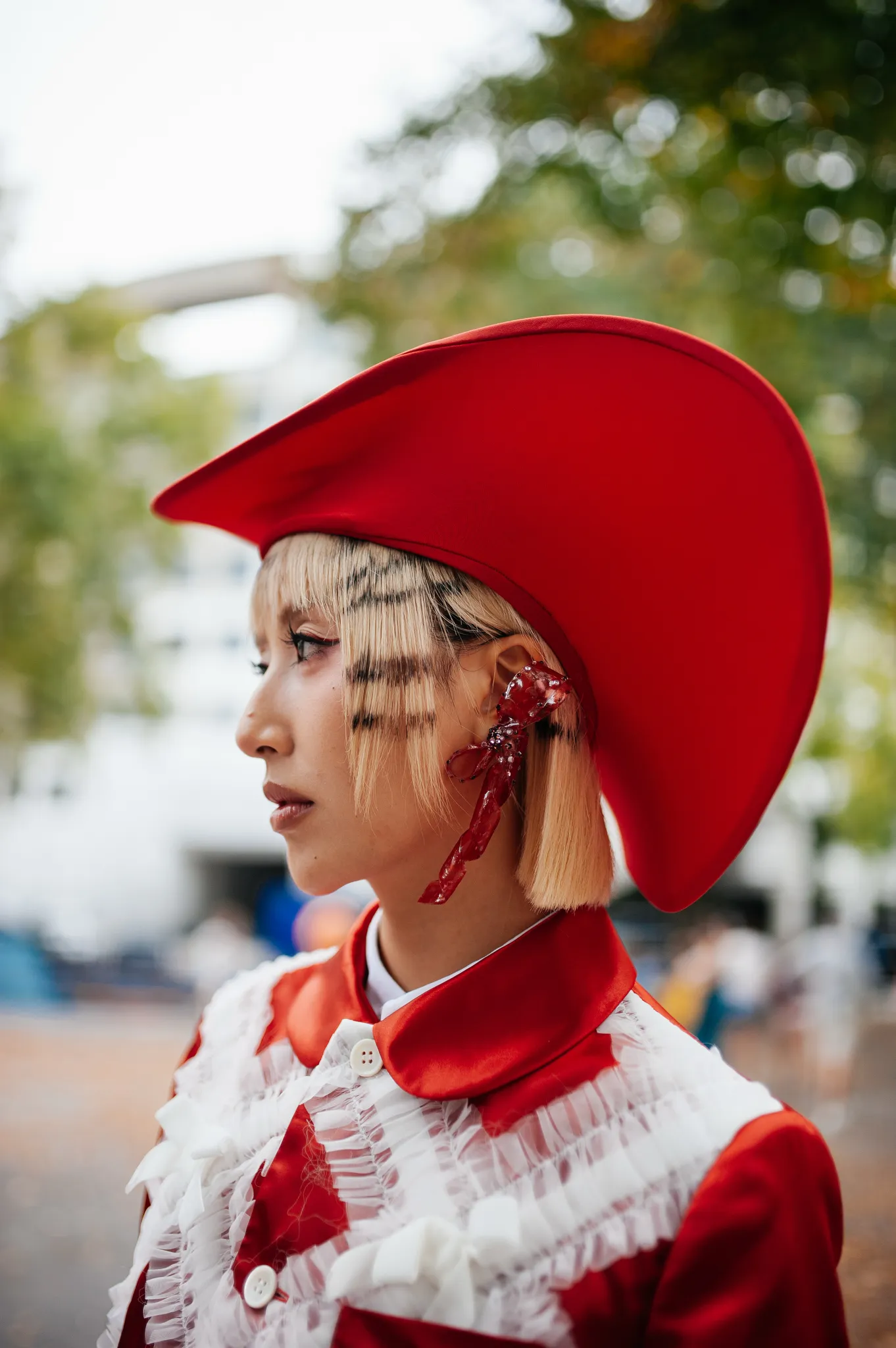
WWD style director Alex Badia and photographer Kuba Dabrowski assess the current state of street style following Paris Fashion Week.
In 2012, I joined the street style game as an editor who loved fashion, wanted to be photographed and, admittedly, had an ego to feed. What I didn’t expect was that this personal indulgence would become an invaluable way to understand fashion’s relationship with the wider culture. Alongside WWD street style photographer Kuba Dabrowski, we have had a front row seat to its evolution for more than a decade.
What began as a relatively intimate documentation of editors, retailers and industry insiders gradually became a global phenomenon. Social media and the rise of influencers transformed the streets outside the shows into a stage of their own. During the Virgil Abloh years, fashion’s latest golden era reached far beyond its own bubble, influencing music, youth culture and the wider creative world. Street style became a bridge between the industry and the culture consuming it, capturing a moment when fashion felt especially connected to the people and communities shaping what came next. As Dabrowski puts it when describing the enduring appeal of certain designers and their followers, “These are worlds that are bigger than fashion.”
For those of us caught up in it, the pace felt like a bullet train. Every season brought more people, more attention and greater pressure to be seen — I have some unfortunate street style pictures to prove it. The pandemic intensified that appetite when fashion returned from lockdown, sending the industry into overdrive.
Source link