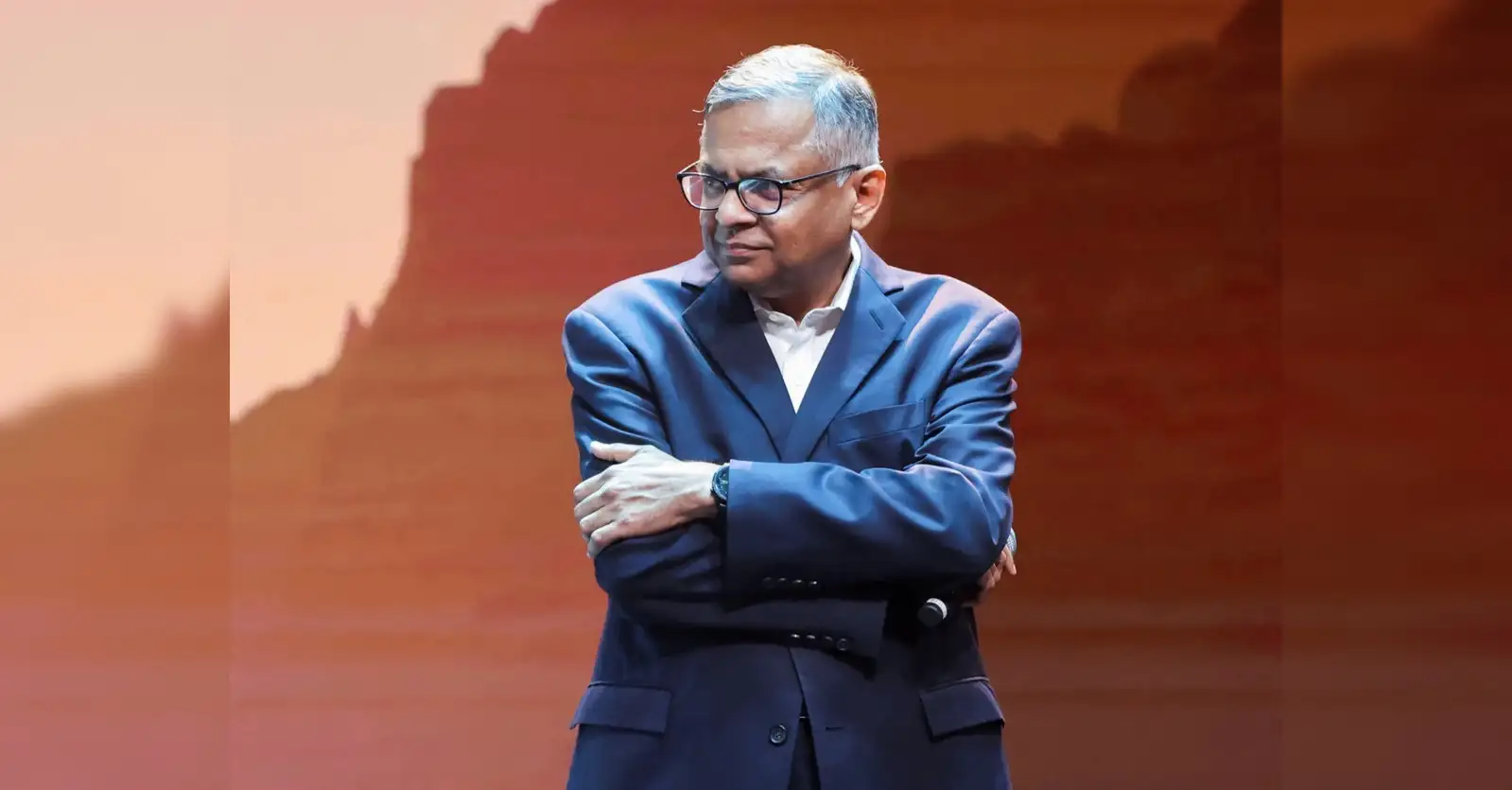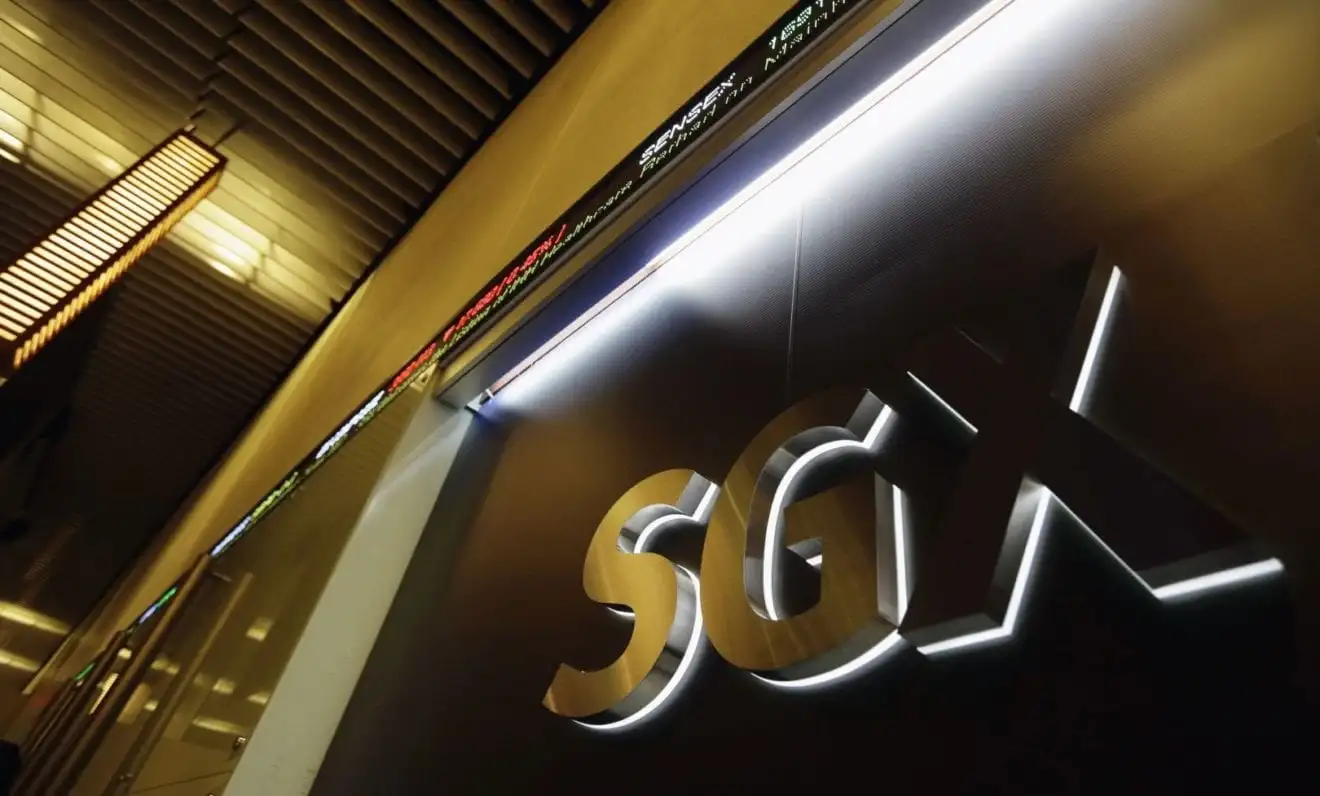
Singapore Exchange chairman Koh Boon Hwee said the domestic stock market lacks flow and liquidity, leaving local investors unwilling to take risks on home-grown shares.
Speaking on the sidelines of the Forbes Global CEO Conference on Oct 8, Koh noted that further capital injections will be needed to sustain demand, even as the government allocates $6.5 billion through the Equity Market Development Programme. However, he warned that state injections are not a natural, lasting flow like pension-backed markets in the US.
Koh pointed out that younger Singapore investors have an appetite for risk when buying volatile overseas stocks like Tesla and loss-making SpaceX, but local initial public offerings struggle for traction after listing.
Early-stage venture funding finds solid support in Singapore. Even so, early backers need domestic public markets to absorb later-stage equity. Thin local trading volume forces founders abroad to provide exits for their investors.
Regional technology leaders repeatedly bypass the local exchange. Shopee parent Sea listed on the New York Stock Exchange in 2017. Ride-hailing group Grab completed a Nasdaq debut in 2021 through a blank-check combination. In October, Singapore-headquartered data centre developer DayOne filed for a Nasdaq initial public offering, continuing the flow of domestic tech assets to the United States.
State-backed interventions do not generate the structural momentum of institutional retirement pools. Equities in the United States draw on multiple independent pension systems. These funds constantly deploy fresh capital across public listings, private equity, and venture funds.
5 billion Singapore dollar injection under the EQDP commits capital without creating an automatic mechanism for ongoing demand.
Source link