Quick commerce is creating new FMCG categories, but traditional retail remains critical to growth: Industry leaders
At the 2nd Edition of ET FoodXP 2026, leaders from Bagrry's, Pansari Group, New Shop, Mr. Makhana and The Nut Lounge discussed how quick commerce is reshaping consumer purchases, product innovation and retail distribution. While the channel is generating incremental demand for premium and convenience-led products, panellists emphasised that its growth remains concentrated in urban markets, making channel-specific assortments, supply chain efficiency and profitability essential for brands.
Share Icon Copy Link Share on Whatsapp Share on Linkedin Share on X Share on Telegram Share on Facebook
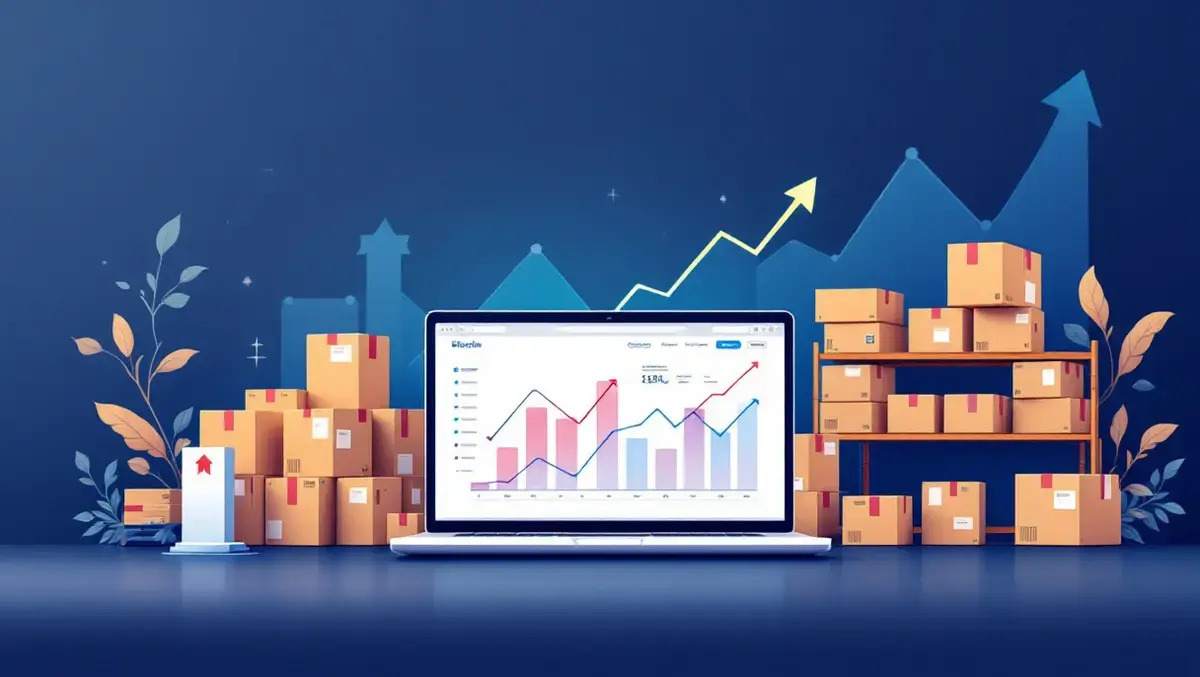
Quick commerce is emerging as more than a faster delivery channel for India's food and FMCG industry, creating opportunities for new product categories , premiumisation and impulse consumption. However, its growth is also shifting purchases away from traditional retail formats, forcing brands to rethink their distribution strategies, product portfolios and profitability models.
At the 2nd Edition of ET FoodXP 2026, industry leaders argued that quick commerce is simultaneously creating incremental consumption and redistributing existing demand, with the impact varying significantly across categories, geographies and consumer purchasing occasions.
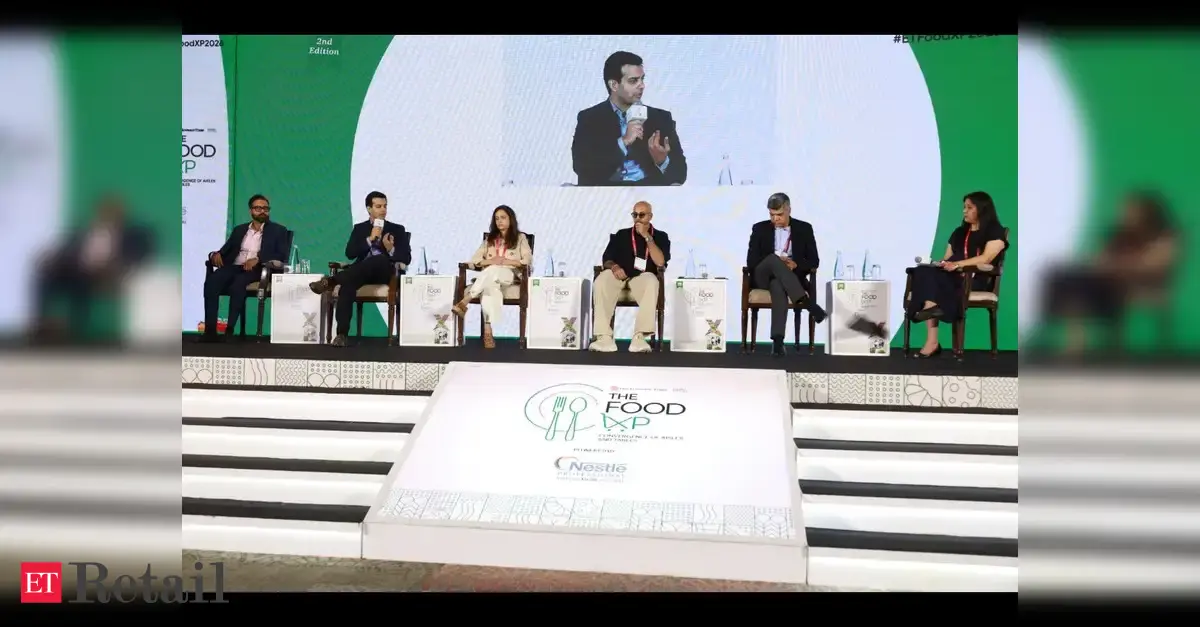
The discussion took place during the panel The Checkout Battle: Is Quick Commerce Creating Growth or Simply Redistributing Demand?, featuring Aditya Bagri, Director, Bagrry's; Shammi Aggarwal, MD, Pansari Group; Aastha Almast, Co-Founder, New Shop; Rishab Jain, Founder, Mr. Makhana; and Vishal Kapur, CEO, The Nut Lounge. The session was moderated by Charu Lamba, Deputy Editor, ETRetail.
While the panellists acknowledged the growing influence of platforms such as Blinkit and Instamart, they cautioned against treating quick commerce as a replacement for general trade, modern trade or conventional e-commerce.
Source link