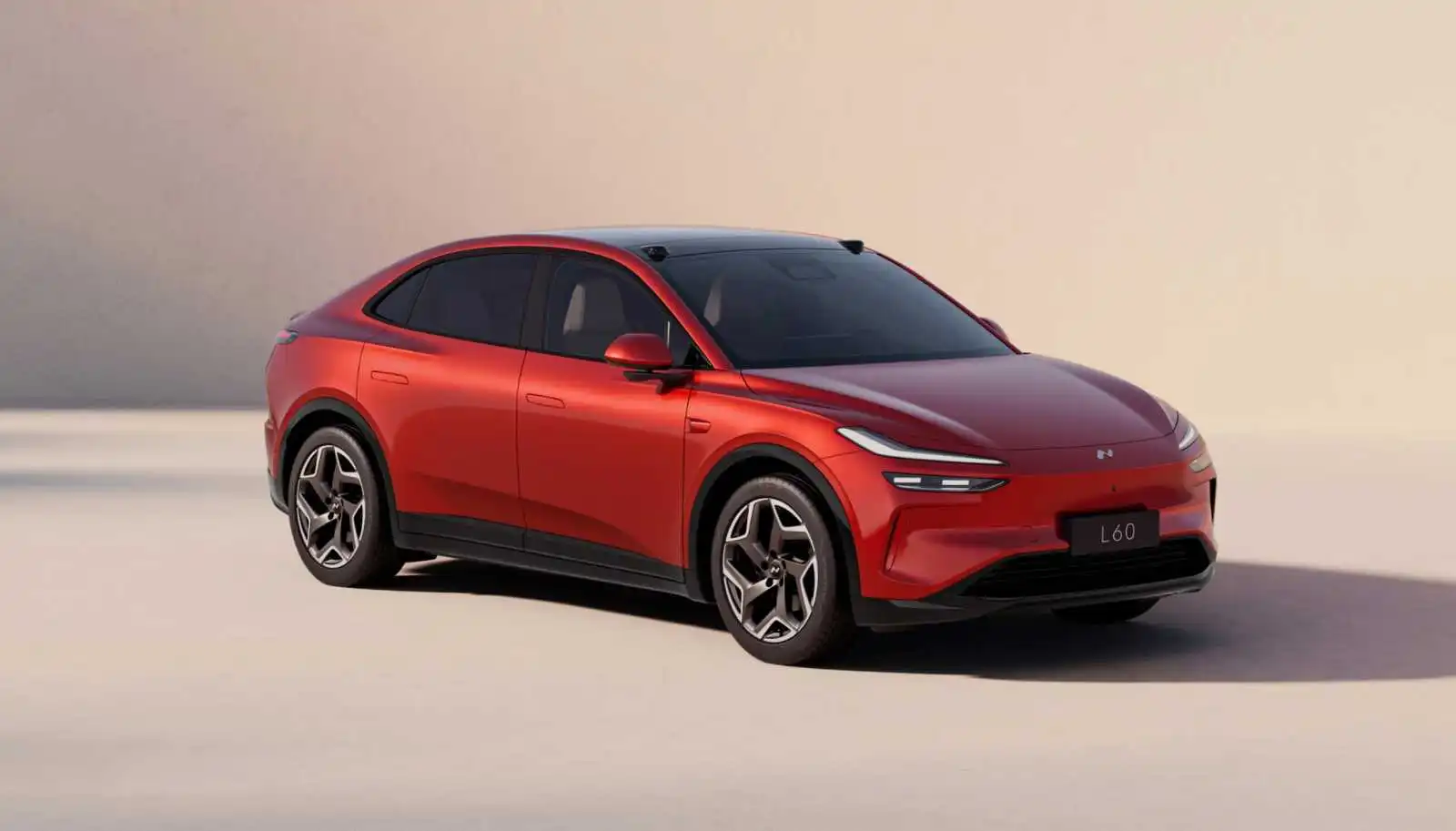
Nio founder and chief executive William Li warned at the 2026 World Internet Conference in Wuzhen that increasing an electric vehicle’s weight by 20 per cent causes 2.07 times the damage to public roads.
Speaking at an industry forum on Thursday, Li explained that road engineering’s fourth-power law means pavement damage rises exponentially relative to vehicle axle load, amplifying the infrastructure burden created by heavy electric cars.
Some passenger models across China now install 120-kWh batteries weighing 700 to 800 kilograms, whereas Nio limits its battery packs to 400 to 500 kilograms to restrain curb mass, accepting smaller capacity and shorter driving range as a trade-off.
Trimming excess bulk carries steep development costs once a vehicle approaches standard production boundaries. Engineering teams can cut curb weight from two tons down to 1.9 tons with standard adjustments, but shaving each subsequent kilogram costs roughly 1,000 yuan ($149).
Nio enforces an internal weight verification system across all model lines. Product teams must secure direct sign-off from Li for every single kilogram added above targeted design limits.
Battery weight trade-offs dictate commercial strategy across the sector. Premium competitors pack larger cells into passenger vehicles to eliminate consumer range anxiety, driving curb weight upward and externalising highway maintenance expenses onto municipalities.
Data from the Ministry of Industry and Information Technology show average new passenger car curb weight climbed to 1,704 kilograms in 2024, up from 1,312 kilograms in 2012. 3 kilograms during the first four months of 2026.
Source link