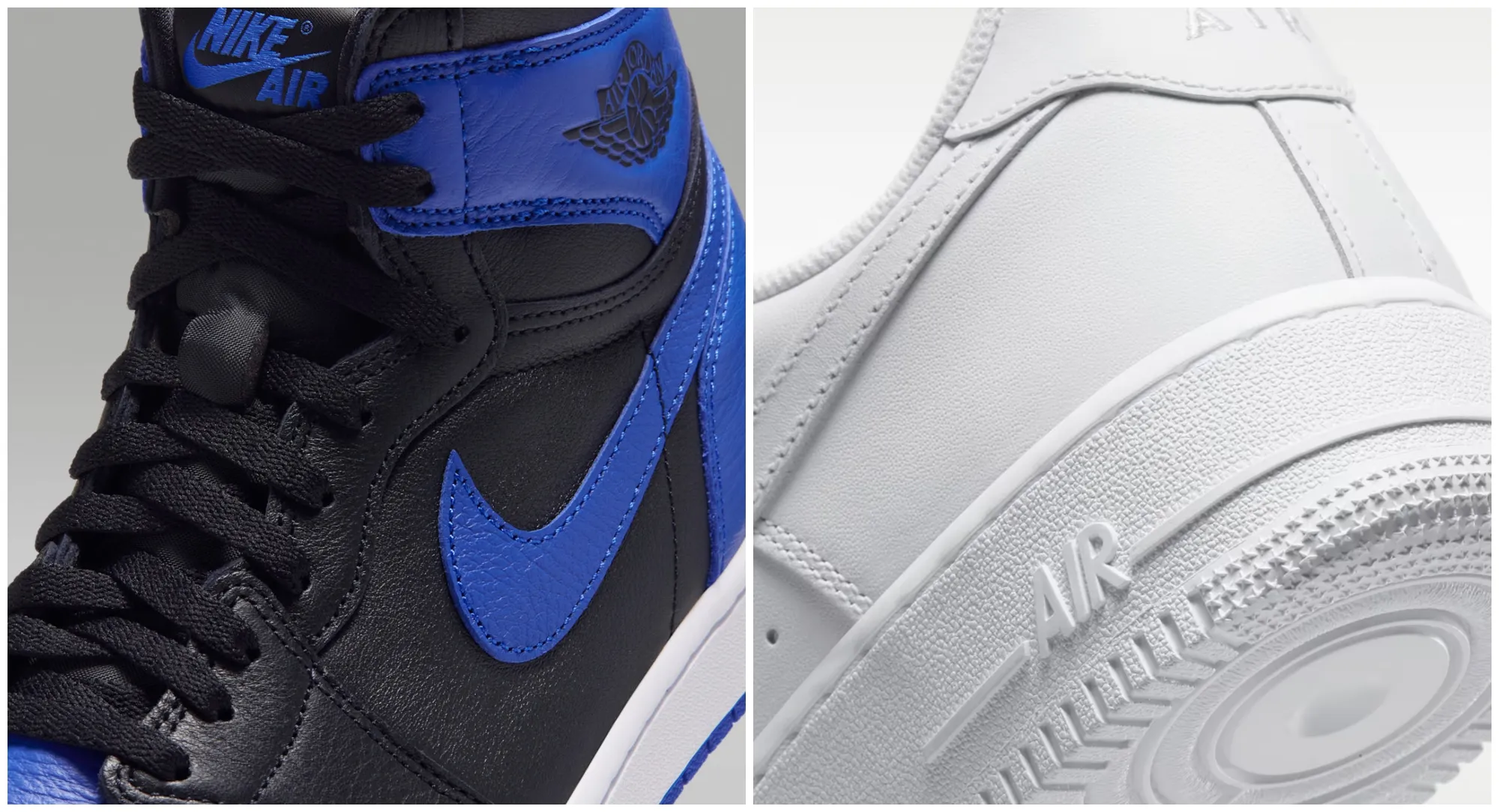
Nike built its once-burgeoning sportswear business on nostalgia. But when does too much of a good thing become a detriment?
While many analysts point to Nike‘s lack of innovation as the company’s biggest detriment, it’s far more nuanced than that.
Nike’s best — and most impactful — innovations have always been those that are totally new, the sneakers and technology that look and feel unlike anything that has come before.
This year, the brand found a runaway hit in its science-informed Mind recovery shoes, a concept unlike any other previous Nike innovation. It’s also set to launch its New York City Marathon-winning Apex running shoe in 2027.
And think back to the introduction of Flyknit at the 2012 London Summer Olympics and how much the sneaker stood out on the medal stand. It wouldn’t have had the same effect had the brand’s athletes taken to the podium in, say, an Air Max 95.
Or consider the Air Foamposite One, which looked straight out of a sci-fi movie when it appeared on Mike Bibby’s feet in the 1997 NCAA tournament. Looking even further back, Tinker Hatfield’s groundbreaking 1987 Air Max invention helped shape the way the brand made shoes for decades.
But many of Nike’s so-called innovations are less revolutionary — and more often than not, rehashes of past successes.
As game-changing as Flyknit was, the brand eventually managed to water it down by applying the knitted construction to everything from its performance running shoes to Air Jordans and Air Force 1s.
Source link