This year, textile industry leaders decided to tackle a conversation on the current cotton industry in a new way.
During Climate Week NYC in September, Dana Davis Consulting convened a roundtable with 35 sourcing, materials, product and sustainability leaders. Rather than listening to a panel, fashion executives actively discussed how they can future-proof their industry. Following this event, agricultural biotechnology company Avalo synthesized the conversation into a set of “new rules” for building resilience into textile supply chains.
Related Stories

1 Program, 3 Fibers: How the US Cotton Trust Protocol Provides Tiered, Verified Claims
Fashion Can't Keep Reacting to the Next Crisis
“Fashion is an agricultural business, whether it thinks of itself that way or not,” said Tricia Carey, chief commercial officer at Avalo. “The leaders in that room weren’t waiting for permission. They were already looking for ways to share risk with growers, invest in resilience, and make cotton work for the next decade, not just the next season.”
Avalo’s report states that current dynamics are making the cotton growing business unmanageable.
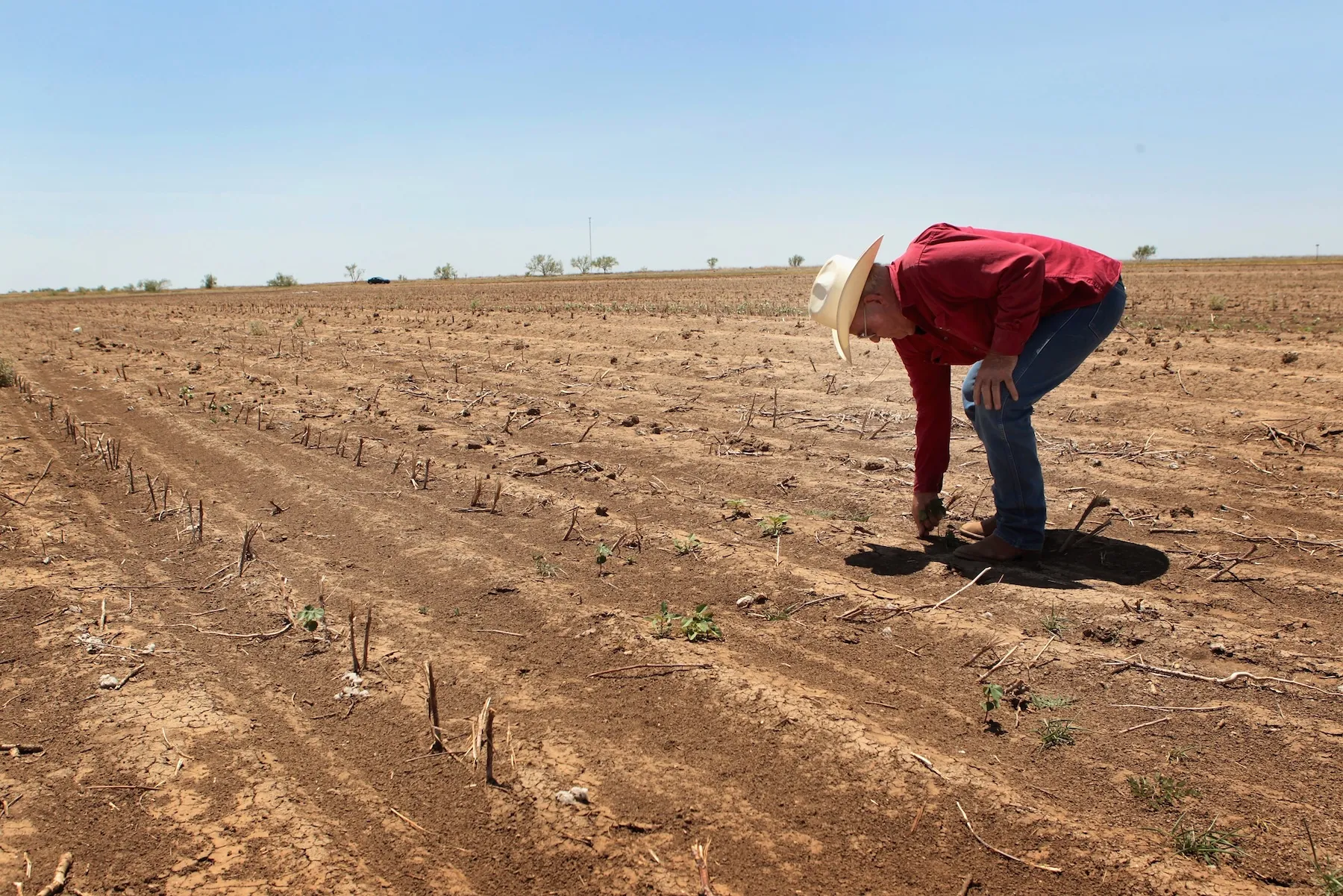
It points to how disruptions in the Strait of Hormuz this year have demonstrated the vulnerability of global supply chains. Oil markets are experiencing ongoing volatility. The report suggests that oil extraction may be approaching a point where its energy demands outweigh its economic viability, fundamentally reshaping the global economy. This year, climate change also affected crops with record heat in Pakistan and northern India, floods in Bangladesh, and worsening droughts in Texas and Australia.
Source link