

Residential property prices in Myanmar have quadrupled since the military took power in 2021, World Bank estimates show. Housing has become a primary refuge against severe currency depreciation.
Inflation and volatility in assets such as gold drove buyers to funnel capital directly into physical real estate across commercial hubs like Yangon.
Authorities have introduced administrative measures to cool the market and restrict speculative deals. Domestic savers face dwindling options as the kyat slides, turning property into the default tool for capital preservation.
Local investors previously rotated savings into foreign currency and precious metals. Now, they concentrate funds in residential land and housing developments. Shifting trade rules made physical gold volatile, sending buyers toward assets that resist sudden shocks.
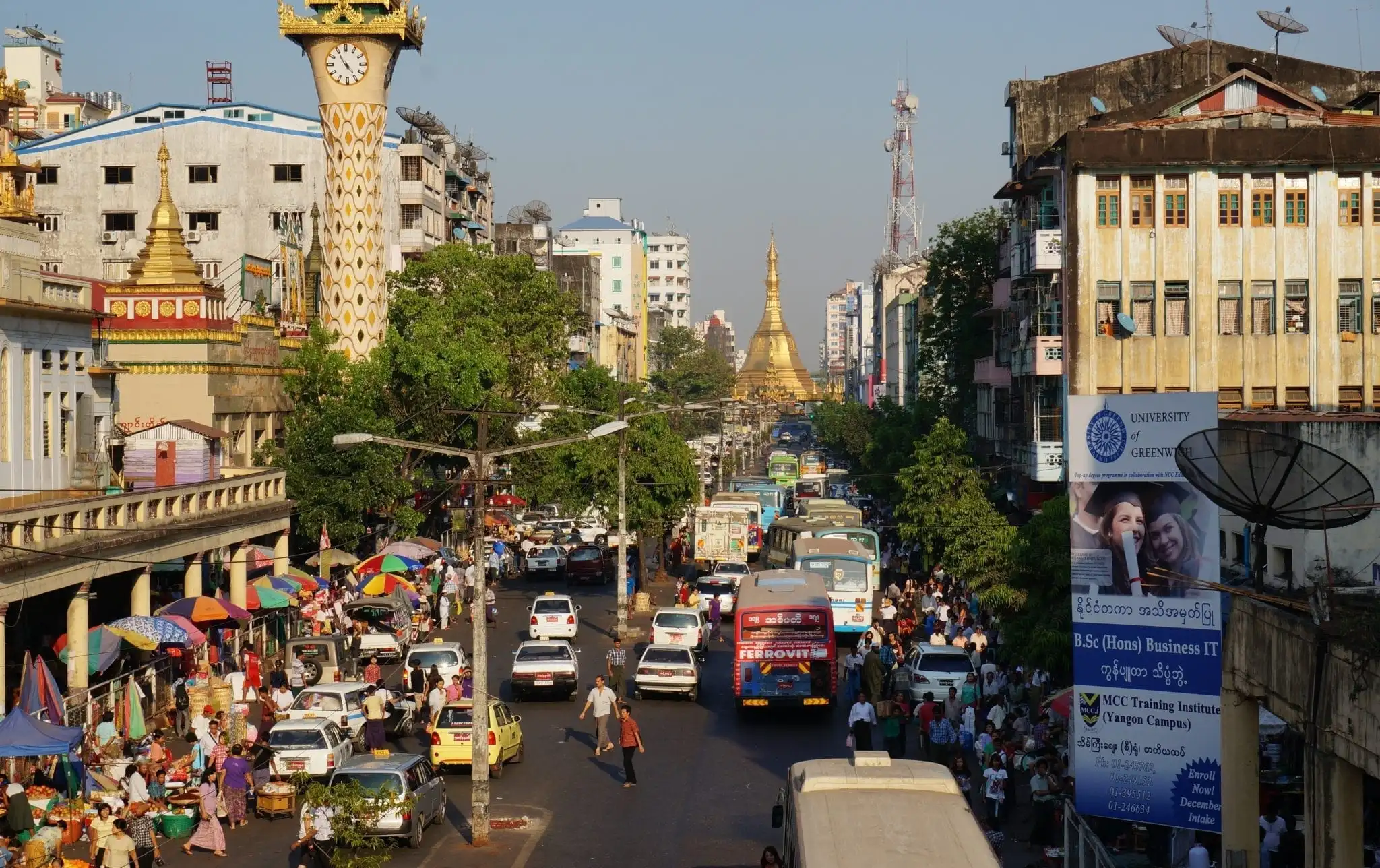
Yangon absorbed the bulk of this domestic capital flight. Deals remain concentrated in residential subdivisions and standalone plots with secure title deeds, keeping cash out of depreciating bank accounts.
“But we have found that property is less vulnerable to price swings in Myanmar. So we just stay in real estate now.”
This residential boom masks distortions across commercial real estate. Retailers, store operators, and commercial tenants face steep rent hikes pegged to land values, even as consumer purchasing power falls.
Developers with completed residential units find steady cash buyers. Commercial landlords, meanwhile, struggle to maintain occupancy. High material import costs and regulatory barriers restrict new supply, channeling incoming capital into existing stock.
Using property as an inflation shield mirrors patterns seen in other distressed frontier markets across Asia. When stability weakens and exchange rates fall, investors routinely pull capital from financial instruments and shift it to fixed assets.
Source link





