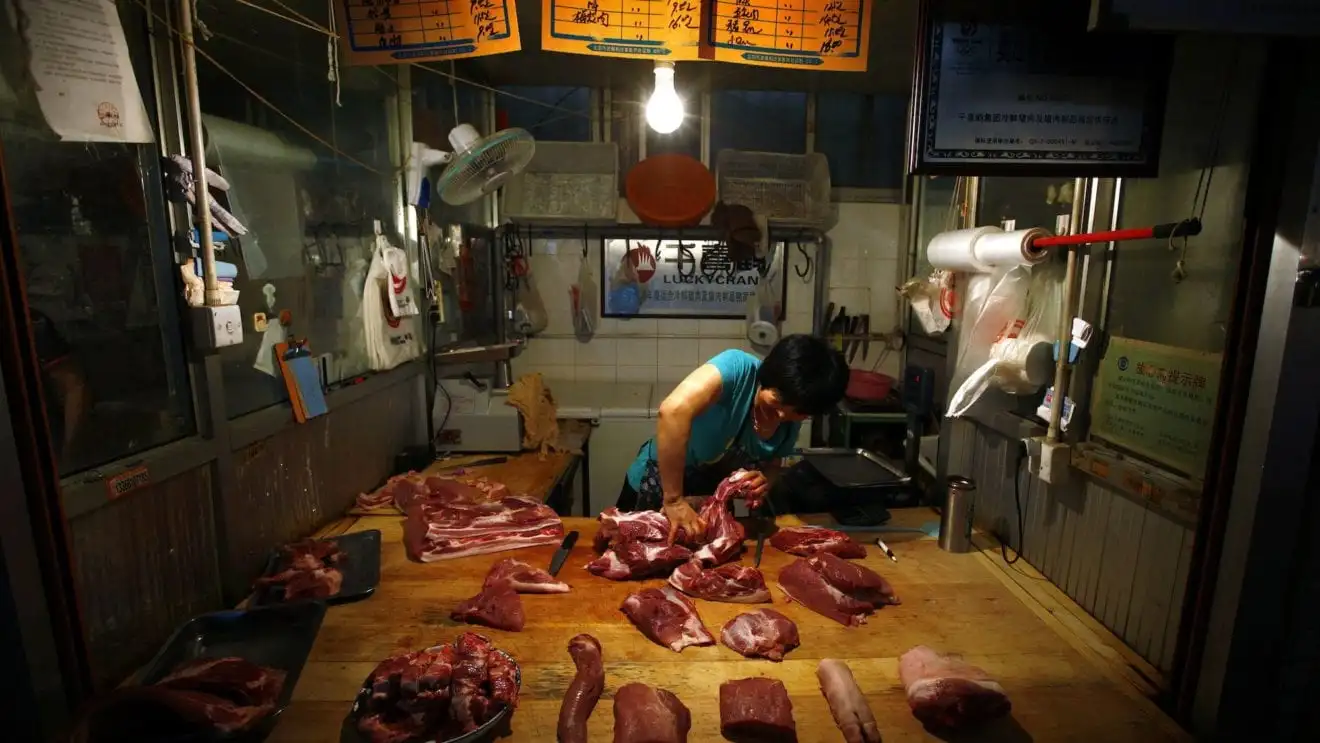
Trade groups in Brazil and the Philippines are pressing the Department of Agriculture in Manila to reverse a two-month suspension on pork imports that cuts off key retail supplies.
Brazil provides more than 47 per cent of all pork shipments entering the country, making it the primary overseas source of protein for domestic retail shelves, meat processors and restaurant operators.
The Brazilian Animal Protein Association, known as Abpa, confirmed it submitted a formal technical position to the Philippine government arguing that shipments from the country have not harmed local producers. The group warned the import restrictions will trigger unwanted inflationary pressures for everyday shoppers across the archipelago.
Domestic commercial buyers face immediate disruption at the ports. The Meat Importers and Traders Association, or Mita, noted that a hard cutoff date of Nov. 24 strand orders already placed under valid government clearances.
Jesus Cham, president emeritus of Mita, stated that binding sales agreements are already signed, overseas vendors are paid, and containers sit loaded on vessels in transit. Importers argue that cancelling active import permissions penalises commercial distributors while doing nothing to solve the production bottlenecks on domestic farms.
Supermarket operators and food processors operate on tight inventory cycles. With nearly half of external pork volume removed from port manifests, cold-storage operators will run down existing buffers within weeks.
Wholesale prices will climb as distributors fight over remaining frozen stock. Institutional food-service buyers, from quick-service restaurant chains to industrial caterers, will be forced to compete directly with wet-market retailers for domestic livestock, transferring wholesale cost pressures straight to consumer bills.
Source link