

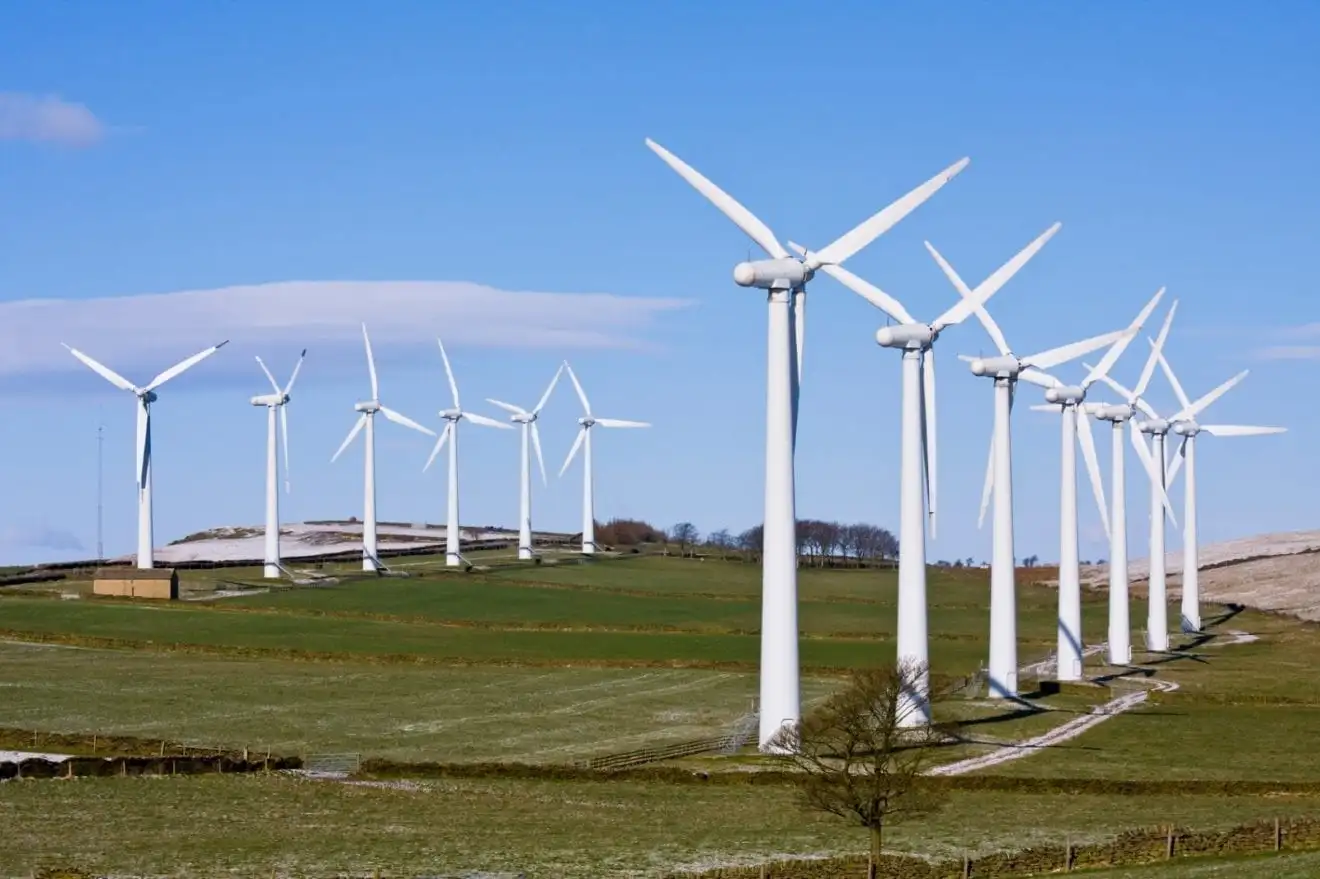
Japan has deployed only 253.4 megawatts of offshore wind capacity across seven projects. That falls far short of its 10-gigawatt target for 2030.
Soaring construction costs doubled project budgets and forced Mitsubishi Corp to abandon three developments in mid-2025.
Supply chain bottlenecks and high raw material prices have choked development since the initial 2021 government auctions, according to Japan Wind Power Association data. Mitsubishi’s exit dealt a heavy blow to national clean energy planning. Utilities must now find ways to reduce project risk.
Financing pressures are only half the problem for developers along the Sea of Japan coast, Tohoku and Hokkaido. Projects have run into stiff resistance from commercial fisheries and local conservation groups over threats to rare marine wildlife and bird habitats.
Regulatory disputes and community objections have already suspended or delayed wind projects across Fukui, Shiga and Hokkaido prefectures. Similar pushback is stalling planned developments in Fukuoka and Shizuoka, where developers face strict environmental review standards.
For industrial power users and data centre operators across Japan, these delays threaten future supplies of zero-emission electricity. Without a working offshore wind pipeline, corporate buyers must rely on imported fossil fuels or pay higher grid tariffs from conventional thermal generation.
Developers who miscalculate environmental risks face severe financial penalties once turbines are built. Projects that disrupt local ecosystems can be ordered to curtail generation during peak hours or suspend operations entirely. That destroys forecast equity returns.
Utility operator Eurus Energy had to curtail power output at its Hamasato Offshore Wind Farm in Hokkaido after multiple bird strikes.
Source link





