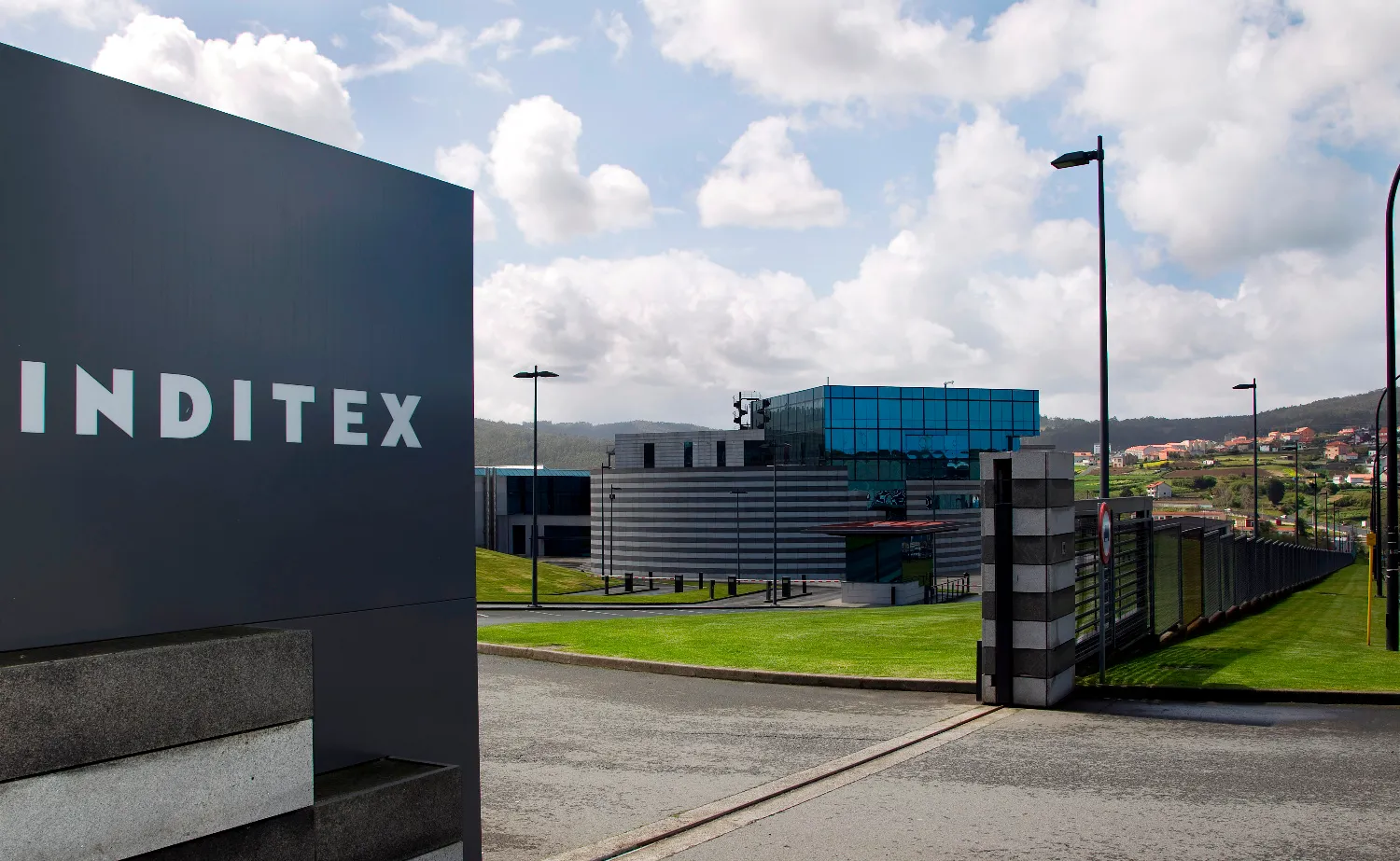
Zara parent Inditex generated USD 46.3 billion in revenue and USD 7.2 billion in net profit for fiscal 2025, leaning on a deliberate push into higher-tier apparel.
The Spanish group operated 5,444 stores globally across 215 markets as of July 2026, with the Zara banner accounting for 70 percent of group sales alongside Zara Home and Lefties.
Total Zara store numbers dropped to 1,487 locations by July 2026. The retailer closed smaller footprint units to roll out larger flagship locations integrated with online logistics, while running sub-brands including Zara TRF, Studio, SRPLS and a dedicated beauty range launched in 2021.
Inditex chair Marta Ortega Pérez steered the brand toward premium fabrics and longer-lasting lines, leaving rock-bottom price competition to cross-border online platforms like Shein and Temu. Her approach shifts Zara from raw turnaround speed toward flexibility and higher unit margins, supported by value subsidiary Lefties across 223 stores.
Scale gives the retailer pricing use that regional fast-fashion operators struggle to match. Long-term supplier contracts let Zara buy higher-grade textiles at lower unit costs, while internal guidelines cap markdowns to two defined sales periods each year.
For mall landlords across Asian metropolitan centres like Tokyo, Zara’s migration to massive flagship layouts consolidates prime ground-floor space into fewer, higher-yielding leases. Competitors such as Uniqlo, valued behind Zara at 47th on Interbrand’s 2025 table against Zara’s 41st position, face an Inditex fleet that extracts roughly 85 percent of full ticket prices on retail racks.
The structural risk sits in production lead times. An entirely new design now takes five weeks from concept to store delivery, up from the 15-day turnarounds achieved in the early 2000s, leaving a wider window for nimbler digital-native rivals to siphon off younger shoppers.
Source link