Dibakar Ghosh is a tech journalist at How-To Geek, where he focuses on Linux, Windows, and productivity tools. His goal is simple—help readers at every skill level get more done with the tech they use every day.
He began his writing career in 2016 with WordPress tutorials, later moving into digital marketing, where he spent years reviewing complex tools for marketers. His work has also appeared on Authority Hacker, where he’s shared in-depth guides on digital workflows and online productivity. That experience now shapes his journalism, blending analytical depth with practical, real-world advice.
When he’s not writing or testing software, Dibakar is usually watching movies or playing video games. He’s a huge Christopher Nolan fan and a strong proponent of the theater experience. In gaming, he has sunk hundreds of hours into Insomniac’s Spider-Man series, Returnal, Prototype, Darksiders, and Final Fantasy titles.
Pi-hole is one of the most popular tools out there for securing your home network against online threats — and it’s great at its job. The only problem is that it can be a bit too complicated to set up for the average user. Plus, the sheer number of features you get from Pi-hole can be overkill for what you actually need.
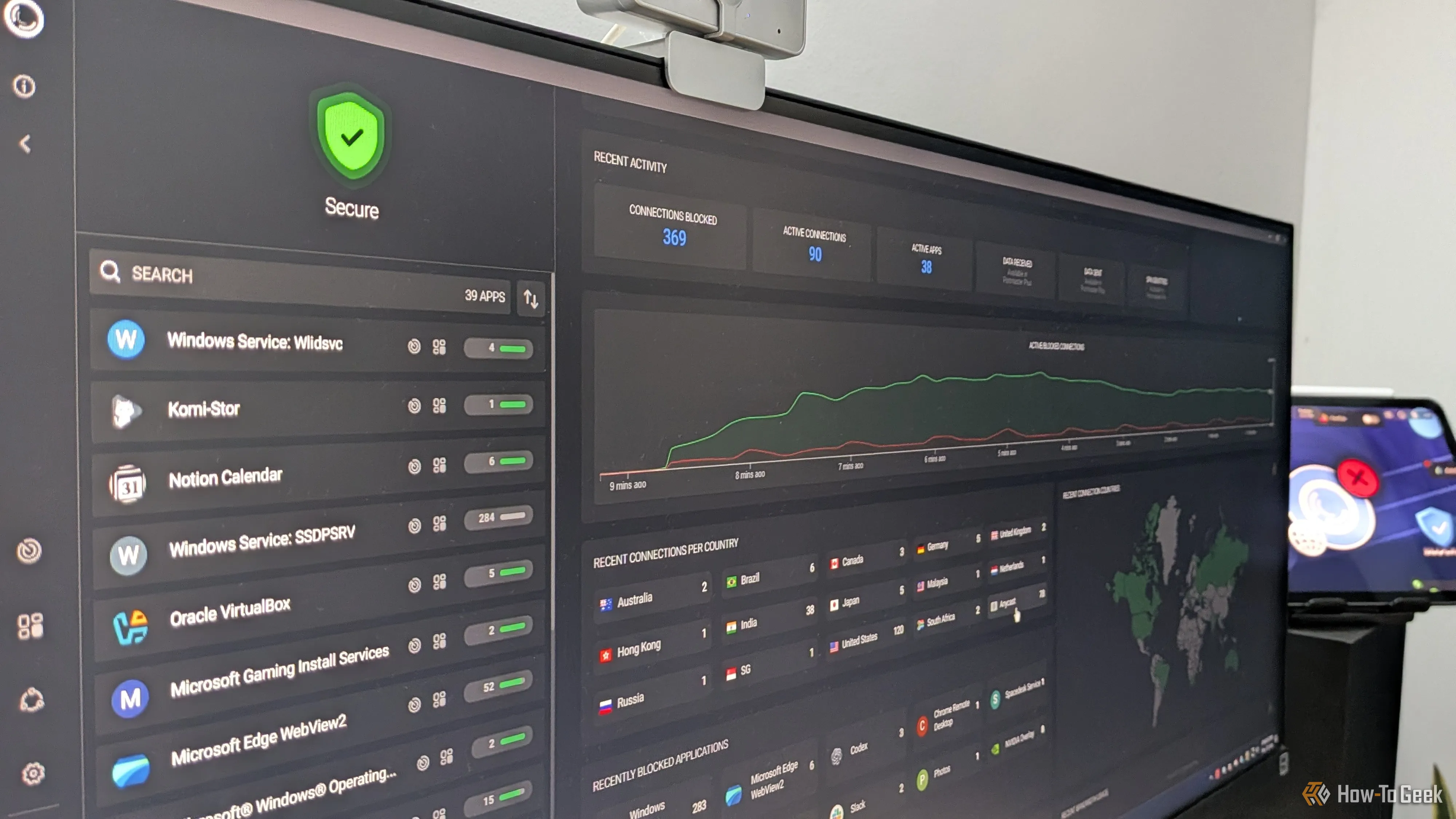
Sometimes, you want something that’s easier to set up and maintain while still being free, open-source, and offering the same level of security. If that sounds like you, let me introduce you to Portmaster — the tool I’ve been using to protect my system for the past couple of years.
Source link