Ever since its announcement, I have been very curious to see what DLSS 5 will look like in action, in real time. Sure, Nvidia did bless us with very "curated" screenshots and clips of the tech, but those were never going to be representative of the real thing. After months of waiting and multiple GRD updates, I finally got to try DLSS 5 myself, thanks to the DLSS Swapper mod.
And let me tell you, this tech is phenomenal in ways I never expected.
At the same time, trying out this community-made DLSS 5 mod left me confused. While I admire the improvements DLSS 5 brings to the "visual" front, it also sacrifices the core principle on which this tech was built.
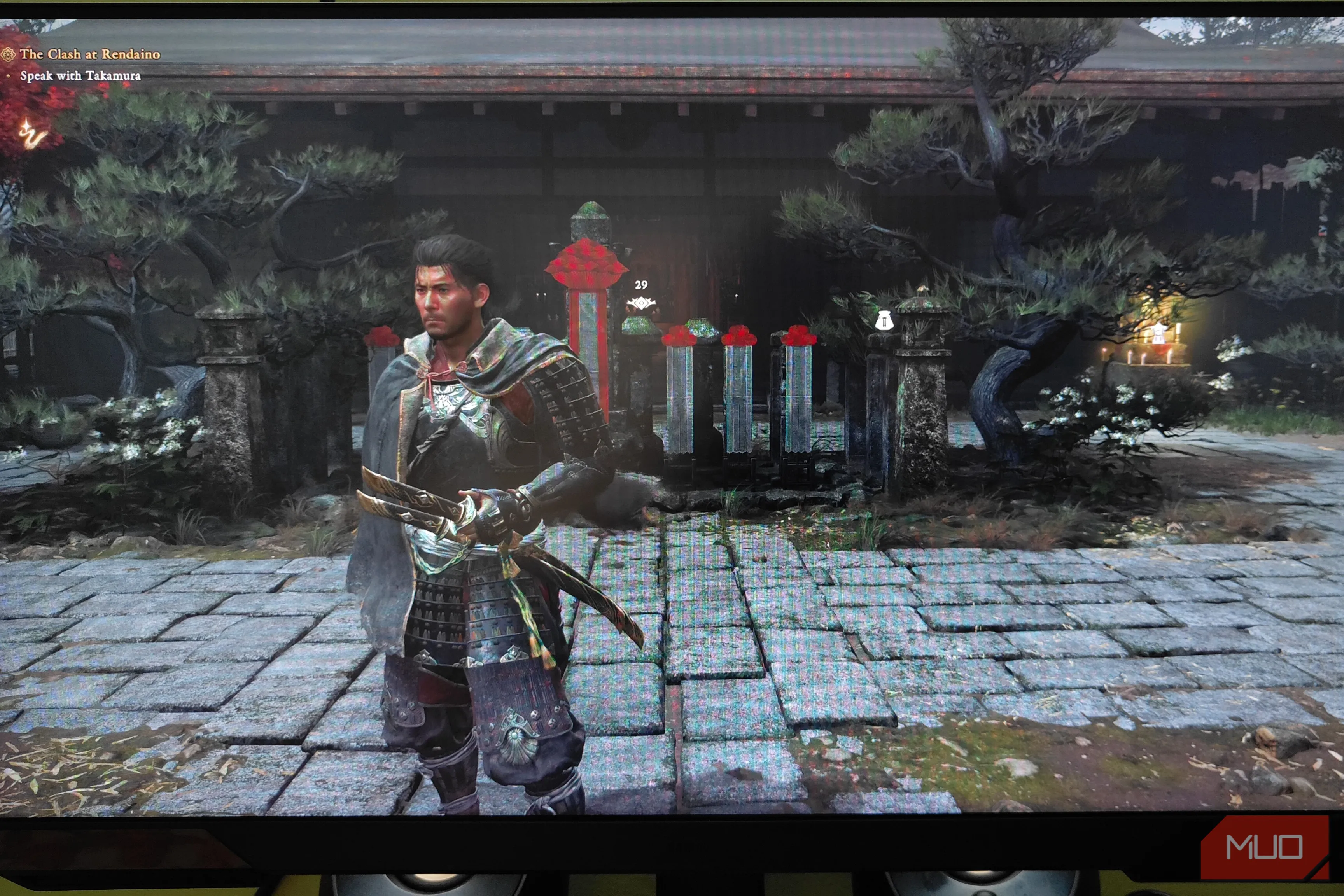
For the test setup, I used my main PC, which is powered by a Ryzen 5 5600X and 16GB DDR4 (3200 MHz) memory. I have an RTX 4070 (12GB VRAM) GPU, which offers ample headroom to test games at both 1080p and 1440p. I tested all the games on vanilla Windows 11 with no background applications running, including Cyberpunk 2077, Red Dead Redemption 2, and Onimusha: Way of the Sword.
I also tested a few more games, like Monster Hunter Wilds, Elden Ring Nightreign, and Dragon's Dogma 2. But these titles didn't offer any substantial visual differences compared to their vanilla counterparts. In Nightreign's case, the DLSS Swapper didn't even work, as it repeatedly crashed the game.
I installed all these games fresh on a Gen3 NVMe SSD, with no mods other than the DLSS Swapper.
Source link