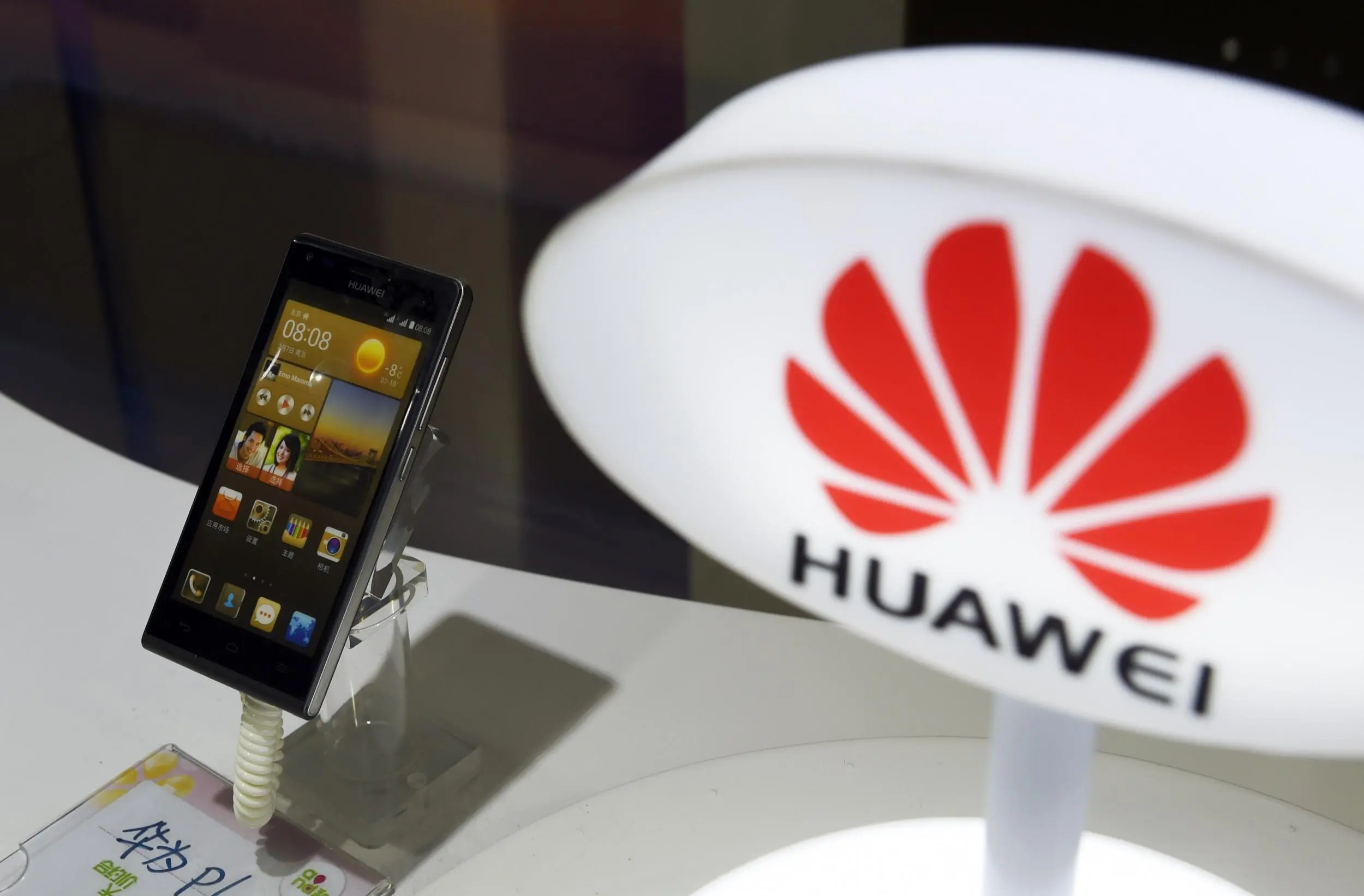
Huawei targeted a 10 Gbps capacity standard for microwave backhaul networks in Kuala Lumpur to handle an expected tenfold surge in mobile artificial intelligence traffic.
The equipment maker projects AI tokens and autonomous agent connections will expand cellular data volumes five to ten times across regional carrier links over the next few years.
Jason Wang, president of the Huawei Microwave Product Line, detailed the architecture during the 5th Global Microwave Industry Forum on October 14-15, 2026. Meeting that volume requires upgrading backbone links to 10 Gbps while pushing suburban transmission over traditional K-band frequencies from single-channel 1TR to dual-channel 2TR configurations, delivering up to 5 Gbps across distances reaching 10 kilometers. In metropolitan centers, 5G deployments on 100 MHz blocks of C-band spectrum require aggregation hubs that exceed tens of gigabits per second.
Physical cable vulnerabilities dictate the push toward dual-media redundancy. Telecommunications operators across Asia record thousands of fiber cuts each month from construction accidents, utility strikes, and weather disruptions. When multiple mobile base stations rely on a solitary severed optical line, entire districts lose coverage, causing instant commercial transaction drops and subscriber defection.
Microwave transport bridges those physical breaks without requiring civil excavation permits. Pairing wireless links directly with terrestrial glass allows commercial traffic to switch paths immediately when a line fails. For enterprise campuses, ports, and automated logistics warehouses, Huawei is rolling out point-to-point and point-to-multipoint links using unlicensed spectrum, allowing private industrial networks to bypass carrier license auctions entirely.
Asian mobile operators run thin operational margins and cannot easily fund universal deep-fiber trenching across fractured archipelago geographies.
Source link