On the first day of KFC’s Oreo Original Recipe chicken burger in August, Yum China sold more than 1.5 million of them, roughly three times what last year’s original version managed on its launch day.
“Trust me, it does taste pretty good,” chief executive Joey Wat told analysts on Tuesday’s earnings call.
Customers keep coming, and novelty still pulls them in. But they spend less each visit, and restaurants that have been open for more than a year are taking in less money than they did 12 months ago.
Yum China’s same-store sales for the quarter ended September 30 were down 3 per cent. Yet, profit still climbed. Operating profit rose 13 per cent to US$451 million.
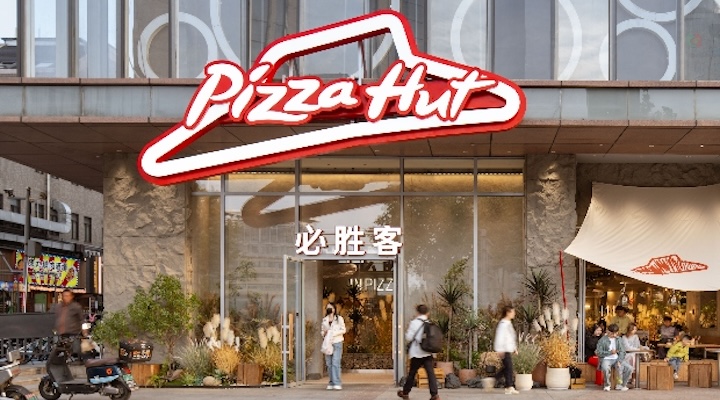
As of the end of the quarter, the company runs 14,307 KFC outlets and 4740 Pizza Hut restaurants across Mainland China.
In mid-2025, China’s delivery platforms, including Meituan, Alibaba and JD.com, were spending heavily on subsidies to win users, pushing extra orders through chains such as KFC at little cost to diners. As those subsidies were pulled back, the extra orders went with them, leaving this year’s numbers measured against an inflated base.
“Delivery subsidies also scaled back faster than expected,” chief financial officer Adrian Ding said.
“August was more challenging than expected,” Ding said, pointing to “frequent adverse weather” in East China, which he described as “one of our strongest markets”. August is also the busiest trading month of the year.
The slowdown is plain against the previous quarter. In April to June, Yum China reported same-store sales up 1 per cent, transactions up 5 per cent and system sales up 6 per cent.
Source link