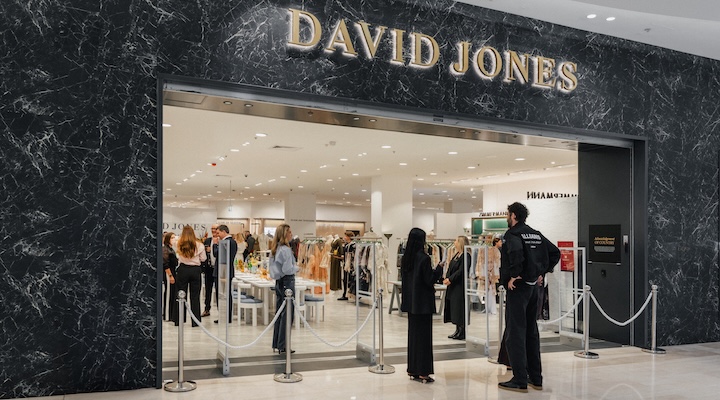
At 188 years old, David Jones remains the world’s oldest continuously operating department store still trading under its original name. Yet the current news cycle is predicting its demise. “David Jones on life support”, “D-day for David Jones” and “David Jones is minutes from midnight” have reduced a national retail treasure to a succession of crisis headlines.
The latest reports suggest David Jones has received $10 million in emergency capital to buy stock for the critical Christmas trading period. Major lender Hilco Capital has provided additional funding as David Jones attempts to negotiate with landlords and secure its future. For a retailer whose history stretches back almost two centuries, the immediate task is decidedly less grand. It must stock its shelves and keep trading while negotiating a reprieve.
Owner Anchorage Capital Partners declined to comment on media speculation, but told Inside Retail it “continues to support the company through a prolonged period of weak consumer confidence and significant structural change across the department store sector”. That reference to structural change takes the story beyond David Jones, raising questions about the department store model here and overseas.
In the United States, Saks Fifth Avenue illustrates how quickly financial strain can undermine the retail proposition itself. 4 billion in funded debt and hundreds of millions of dollars owed to suppliers. The business was not simply struggling to attract shoppers. Its ability to secure the merchandise those expected shoppers had become part of the crisis facing management.
Source link