How ready is the textile industry for 2040? Not particularly, said Zoe Le Grand, managing director, U.K. and Europe, at Forum for the Future. But a better question might be how the industry can prepare, and on that front, she has a fuller answer.
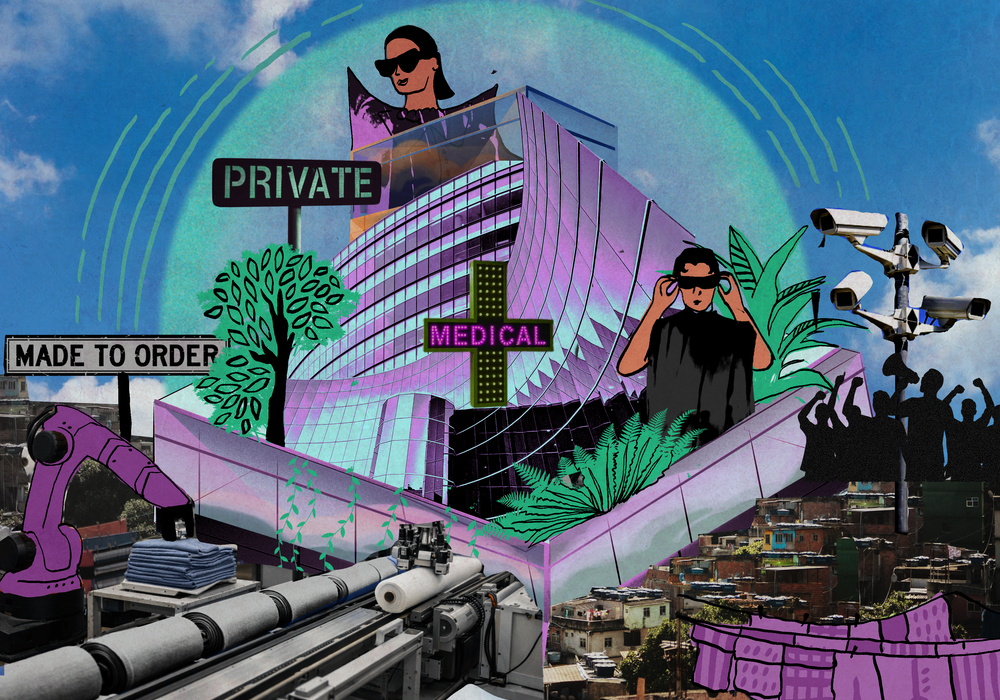
The sustainability nonprofit on Wednesday teamed up with the H&M Foundation to release Textile Futures 2040, a quartet of scenarios designed to help industry leaders stress-test their assumptions about growth, technology, consumption and responsibility and reframe their strategies for everything from a just transition to achieving net zero.
Related Stories

AI Adoption Grows in Manufacturing, but Worker Concerns Persist
AI Traffic Outpaces Email, Social and Paid Search in Retail Value: Adobe
Building on Forum for the Future’s previous Fashion Futures 2030 project, the scenarios depict neither utopias nor dystopias but instead present possible futures neutrally, allowing readers to make their own judgments. Forum for the Future and the H&M Foundation also don’t claim to be prognosticators of any kind.
“They are not predictions of the future,” said Anna Gedda, CEO of the H&M Foundation, the philanthropic organization run by H&M’s founding family. “They’re more a way to help you see what could actually be possible futures, and with that in mind, make better decisions today.”
And why the switch in terminology from fashion to textiles? It all boils down to the industry’s carbon footprint. Textile processing accounts for the largest share of the industry’s greenhouse gas emissions at 55 percent, followed by material production at 22 percent, raw material processing at 15 percent and finished production assembly at 8 percent, according to the Apparel Impact Institute.
Source link