There’s a certain irony in oil making the business case for sustainability.
But that’s what happened at VF Corp. after military escalations, blockades and attacks on commercial vessels slashed traffic through the Strait of Hormuz from more than 100 ships a day to single digits and sent oil prices soaring, according to Sean Cady, the company’s vice president of global sustainability, responsible trade and government affairs.
Speaking at Textile Exchange’s annual conference in Vancouver last week, Cady described how the surging cost of oil pushed up the price of virgin polyester while that of recycled polyester, which is tied to post-consumer waste streams rather than direct petrochemical cracking, initially remained steady.
Related Stories

Greybull Buys Mid-West Textile, Plans Thrift Town Expansion
Canopy Wants Next-Gen Fibers to 'Boldly Go' Mainstream
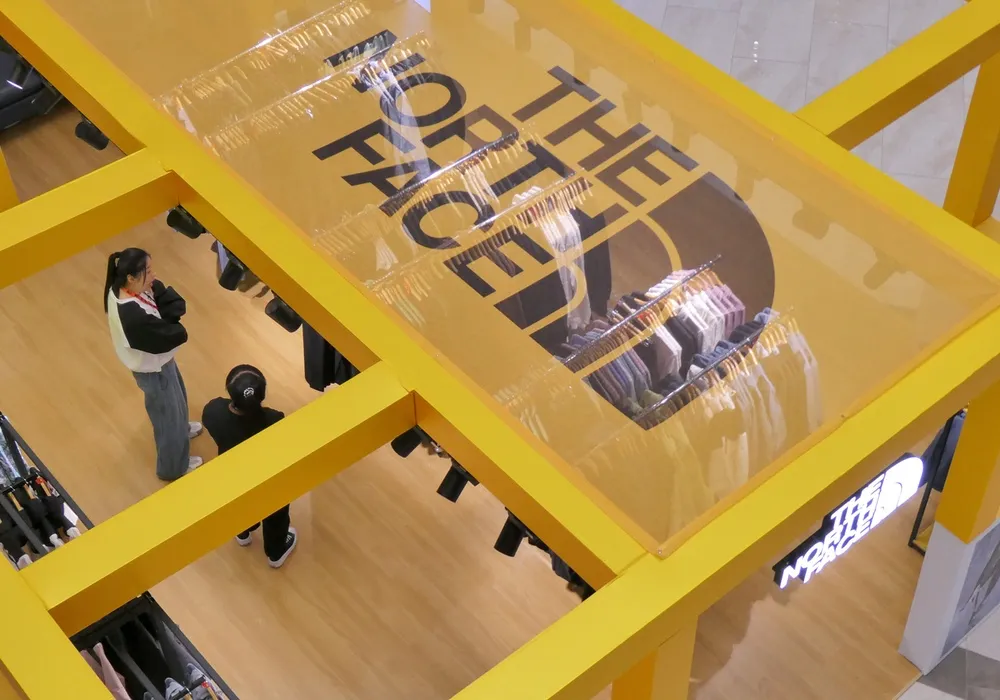
As it turned out, VF’s yearslong gambit to reduce its reliance on virgin petrochemicals also helped cushion it against price shocks. Today, more than 70 percent of the polyester used across all VF brands, including JanSport, Timberland and Vans, comes from recycled sources. At The North Face, its largest brand, over 95 percent of the polyester and 80 percent of the nylon found in its puffer jackets, fleece layers, bags and footwear are derived from recycled, responsibly sourced or renewable materials.
“We made that choice for carbon reduction and sustainability reasons and to build price and supply resilience into our supply chain,” Cady said.
Source link