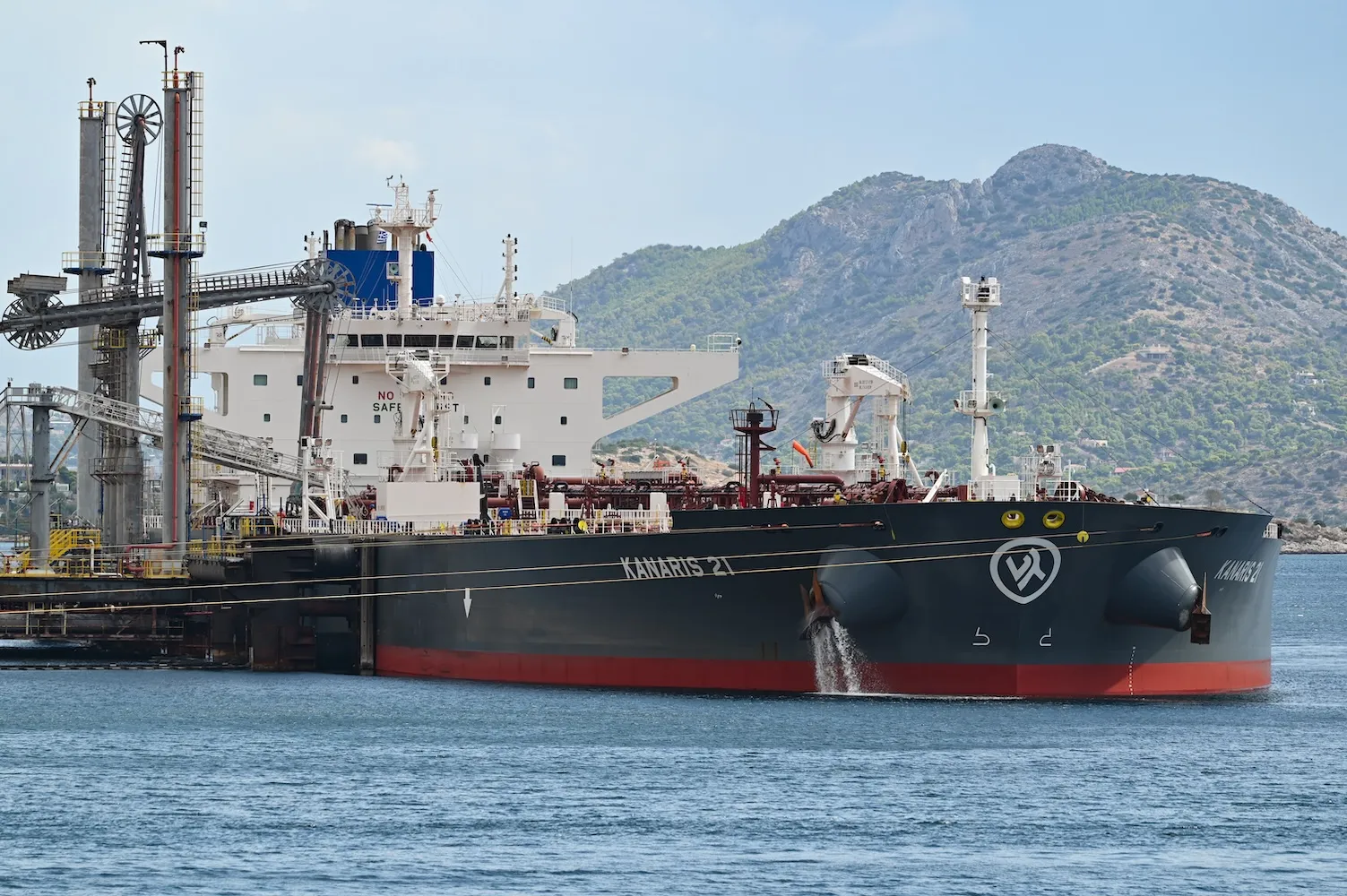
In a bid to bring down freight rates, the Trump administration is considering easing sanctions on “shadow fleet” vessels that have transported oil and petroleum products from countries including Russia, Iran and Venezuela, a Reuters report said Wednesday.
But whether that relief actually arrives depends on which kind of supply the move unlocks, according to Philip Damas, managing director and head of Drewry Supply Chain Advisors.
Removing the tanker sanctions “will not have a major impact on oil prices, as this would not improve oil supply unless the sanctions on these countries’ oil exports were also removed,” according to Damas.
Related Stories

Global Diesel Shortages Could Last Into 2027. Bain Has a Playbook for Shippers
Container Shipping's Red Sea Comeback is Outpacing the Risk Warnings
Damas offered container shipping little prospect of a respite from the industry’s current situation, in which ocean carriers have passed increased fuel costs through to shippers for months.
Because the sanctions move would likely have only a reduced effect on oil prices, Drewry also expects that the impact on these surcharges “will likely be limited,” Damas said.
“Freight costs might decline from current historic highs due to improved availability of tonnage,” Damas said, adding that roughly 16 percent of crude tanker tonnage is under U.S. sanctions and could rejoin the mainstream fleet if designations are lifted.
The fleet at issue keeps growing. Kpler Risk & Compliance data published by ship tracking intelligence provider MarineTraffic on Thursday put the shadow fleet at 3,234 vessels in September, a 12-month high, with 62 vessels newly classified that month, 26 of them flagged for dark activity, AIS spoofing or false flags.
Source link